The Urgent Need for Advanced Water Treatment in Solan’s Rapidly Developing Landscape
Solan, often hailed as the “Mushroom City of India” and a gateway to Himachal Pradesh, is a region witnessing exponential growth. This rapid urbanization, coupled with burgeoning industrial activities in areas like Baddi, Barotiwala, and Nalagarh, has placed immense pressure on its natural resources, particularly water. The increasing volume of wastewater and sewage generated by residential complexes, bustling commercial hubs, and diverse industrial units presents a formidable challenge. Addressing this challenge effectively requires robust, sustainable, and highly efficient wastewater management solutions. This is precisely where expert Water Treatment Plant manufacturers in Solan step in, offering critical infrastructure and technological prowess to safeguard public health, preserve invaluable ecosystems, and ensure the region’s long-term environmental sustainability.
The repercussions of untreated sewage are far-reaching and severe. It can lead to the widespread contamination of local rivers, streams, and groundwater sources, giving rise to serious public health crises through waterborne diseases. Furthermore, it causes irreversible damage to aquatic flora and fauna, disrupting the delicate ecological balance. Modern sewage treatment plant (STP) solutions are no longer just an environmental recommendation; they are a stringent regulatory mandate. By proactively investing in cutting-edge STP technology and partnering with leading STP plant manufacturers, Solan can pave the way for a truly sustainable future, characterized by abundant clean water, pristine environments, and enhanced quality of life for its residents.
Demystifying Sewage Treatment Plants (STPs): How They Work
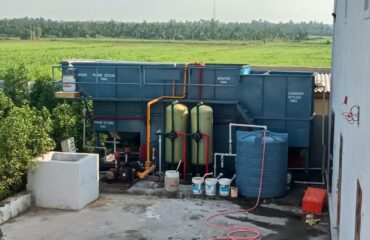
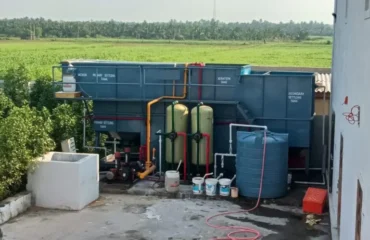
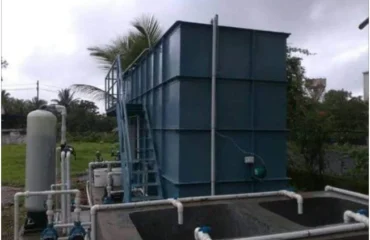
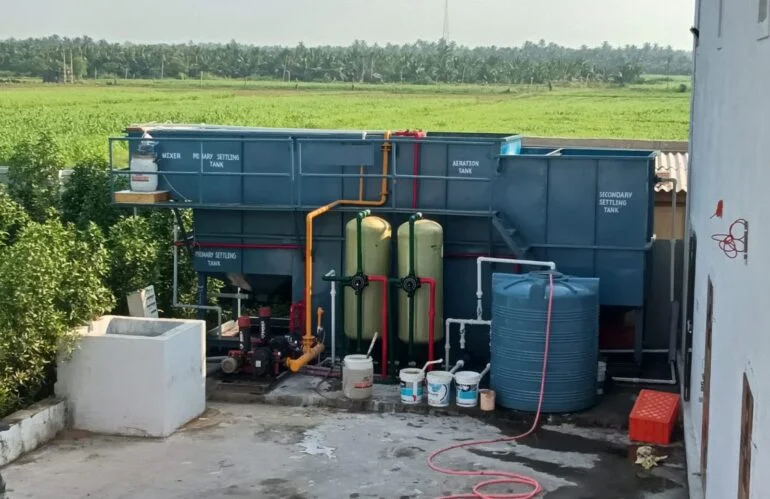
At its core, a sewage treatment plant is a sophisticated facility engineered to systematically remove contaminants from wastewater, which originates from domestic sewage and industrial effluents. The ultimate goal is to transform this polluted water into an effluent that meets stringent quality standards, making it safe for discharge back into the natural environment or, in many progressive cases, for beneficial reuse. This transformative process aims to drastically reduce the ecological footprint of wastewater and protect human health from pathogenic microorganisms and harmful chemicals. These plants meticulously employ a combination of physical, chemical, and biological processes to treat sewage, effectively converting hazardous wastewater into cleaner, safer water.
Effective sewage treatment is a meticulously orchestrated, multi-stage process. It typically commences with primary treatment, followed by secondary treatment, and in many advanced systems, a tertiary treatment stage. Each stage is specifically designed to target and eliminate different classes of pollutants, ensuring comprehensive purification. For industries, municipalities, and residential complexes across Solan, the strategic decision of choosing the right Water Treatment Plant manufacturers in Solan is absolutely critical. Their expertise ensures that these intricate systems are meticulously designed, impeccably installed, efficiently commissioned, and consistently maintained to the highest operational and environmental standards.
Unlocking the Multifaceted Benefits of Modern STP Plants for Solan’s Future
The installation and operation of a modern sewage treatment plant offer a plethora of advantages that extend beyond mere compliance. For Solan, these benefits are particularly pertinent:
- Robust Environmental Protection: The most immediate benefit is the prevention of widespread pollution in rivers, lakes, and vital groundwater resources. STPs meticulously remove harmful pollutants – ranging from suspended solids and organic matter to toxic chemicals and heavy metals – before any discharge occurs, thereby preserving the natural integrity of Solan’s environment.
- Critical Public Health Safeguard: STPs are frontline defenders against waterborne diseases. By effectively eliminating disease-causing pathogens like bacteria, viruses, and parasites from wastewater, they significantly reduce the incidence of illnesses such as cholera, typhoid, and dysentery, protecting the health of the entire community.
- Valuable Water Reuse Opportunities: With increasing water scarcity, the ability to reuse treated wastewater is a game-changer. Water purified through advanced STPs can be safely utilized for a variety of non-potable applications, including agricultural irrigation, industrial process cooling, landscaping, toilet flushing, and even groundwater recharge. This conserves precious fresh water resources, a vital consideration for a growing region like Solan.
- Assured Compliance with Stringent Regulations: Environmental regulations concerning wastewater discharge are becoming increasingly strict. Operating a compliant STP allows industries and municipalities to adhere to national and state environmental standards, thereby avoiding substantial fines, legal liabilities, and reputational damage.
- Effective Odor Control and Aesthetic Improvement: Stagnant or poorly treated sewage is notorious for emitting foul odors, which can severely diminish the quality of life for nearby communities. Modern STPs are engineered with advanced aeration and treatment processes that effectively minimize unpleasant odors, contributing to a cleaner, more pleasant urban environment.
- Potential for Resource Recovery: Pioneering STPs are now designed to go beyond mere treatment; they are capable of recovering valuable resources. This includes the generation of biogas from anaerobic digestion, which can be harnessed as a renewable energy source, and the production of nutrient-rich biosolids that can be safely used as soil conditioners or fertilizers, promoting a circular economy.
Exploring the Diverse Landscape of STP Plant Technologies
Leading STP Plant manufacturers globally and within India offer a wide spectrum of technologies, each meticulously engineered to address specific wastewater characteristics, flow rates, and discharge requirements. Understanding these diverse options is crucial for making an informed decision for any project in Solan:
Advanced Biological Treatment Technologies: The Heart of Modern STPs
- Activated Sludge Process (ASP): This is one of the most widely adopted biological treatment methods. It involves aerating wastewater in a tank to encourage the growth of aerobic microorganisms. These microorganisms form “activated sludge” flocs that consume and break down organic pollutants from the wastewater. The process is robust and suitable for various scales, forming the backbone of many municipal and industrial STPs.
- Sequential Batch Reactor (SBR): An innovative variation of the activated sludge process, SBR operates in a batch mode within a single tank. All treatment stages—filling, reaction (aeration), settling, and decantation (effluent discharge)—occur sequentially in the same reactor. This makes SBR systems highly flexible, compact, and particularly effective for fluctuating wastewater flows and diverse pollutant loads, often favored by Water Treatment Plant manufacturers in Solan for smaller to medium-sized applications.
- Moving Bed Biofilm Reactor (MBBR): MBBR technology utilizes thousands of small, free-floating plastic carriers (bio-media) that provide a high surface area for the attachment and growth of a robust biofilm of microorganisms. These carriers are continuously agitated within the reactor. MBBR offers significant advantages such as a compact footprint, high treatment efficiency, and resilience to shock loads, making it an excellent choice for upgrading existing plants or new installations where space is a constraint.
- Membrane Bioreactor (MBR): Representing the cutting edge in wastewater treatment, MBR technology combines a biological treatment process (like activated sludge) with an advanced membrane filtration step (microfiltration or ultrafiltration). The membranes act as a physical barrier, effectively separating activated sludge from the treated water. This results in exceptionally high-quality effluent, virtually free of suspended solids, bacteria, and viruses, making it ideal for direct reuse applications. Many top-tier STP plant manufacturers in India advocate for MBR due to its superior effluent quality and smaller footprint.
Essential Physical & Chemical Treatment Stages:
- Preliminary Treatment (Screening & Grit Removal): The initial stage designed to remove large floating and suspended solids (like rags, plastics, wood) using screens, and heavier inorganic particles (like sand, gravel, grit) using grit chambers. This protects downstream equipment from damage and blockages.
- Primary Treatment (Sedimentation): After preliminary treatment, wastewater flows into large sedimentation tanks where heavier organic and inorganic solids settle out by gravity to form primary sludge. Lighter materials like oil and grease float to the surface and are skimmed off.
- Coagulation & Flocculation: In some advanced or industrial STPs, chemicals (coagulants) are added to wastewater to neutralize the charges of smaller suspended particles, causing them to clump together. Flocculation then gently mixes the water to encourage these clumps to form larger, heavier “flocs” that are easier to remove through sedimentation or filtration.
- Disinfection: The final crucial step involves killing any remaining pathogenic microorganisms in the treated effluent. Common disinfection methods include chlorination (using chlorine compounds), ultraviolet (UV) irradiation, or ozonation (using ozone gas). This ensures the water is safe before discharge or reuse.
The optimal selection of technology is a complex decision, heavily influenced by factors such as the volume and quality of influent wastewater, available land area, desired effluent discharge standards, local regulatory requirements, and the allocated budget. Partnering with experienced STP plant manufacturers in India provides invaluable expertise in navigating these choices and designing a bespoke system.
Navigating the Selection: Choosing the Right Water Treatment Plant Manufacturers in Solan
The decision to install or upgrade a sewage treatment plant is a significant investment, both financially and ecologically. Therefore, selecting a capable and trustworthy Water Treatment Plant manufacturer in Solan is a paramount decision that will directly impact the long-term efficiency, reliability, and cost-effectiveness of your STP. Here are comprehensive factors to evaluate:
In-depth Experience and a Robust Track Record
Prioritize companies with a verifiable and extensive history of successfully designing, manufacturing, installing, and commissioning a diverse range of STP projects. A manufacturer with deep experience will have encountered and overcome various challenges, possessing invaluable insights into solutions tailored specifically for Solan’s unique environmental conditions, wastewater characteristics, and regulatory landscape. Always request their project portfolio, case studies, and reach out to past clients for testimonials to gauge their performance and client satisfaction.
Cutting-Edge Technological Expertise and a Commitment to Innovation
The field of water treatment is dynamic, with continuous advancements in processes and equipment. A leading STP plant manufacturer should demonstrate proficiency in contemporary and emerging technologies, offering solutions that are not only highly efficient but also sustainable, energy-efficient, and engineered for long-term operational cost-effectiveness. This includes expertise in advanced biological processes like MBR or SBR, sophisticated automation systems for remote monitoring and control, and green technologies that minimize chemical usage and sludge generation.
Capacity for Customization and Scalability
No two wastewater treatment projects are identical. A reputable manufacturer must possess the engineering acumen to offer bespoke solutions that precisely match your specific wastewater volume, unique contaminant profile, available land area, and desired effluent quality. Furthermore, consider if their systems are designed with scalability in mind, allowing for future expansion or modification as your requirements evolve over time.
Unwavering Compliance and Industry Certifications
Ensuring that the chosen manufacturer rigorously adheres to all national, state, and local environmental regulations is non-negotiable. Verify their compliance with effluent discharge standards mandated by the Central Pollution Control Board (CPCB) and the Himachal Pradesh State Pollution Control Board (HPSPCB). Industry certifications such as ISO 9001 (Quality Management System), ISO 14001 (Environmental Management System), and OHSAS 18001 (Occupational Health and Safety) are strong indicators of a company’s commitment to quality, responsible practices, and operational excellence. This is particularly crucial when evaluating STP plant manufacturers in India who operate across diverse regulatory environments.
Comprehensive After-Sales Service and Unwavering Support
An STP is a sophisticated, continuously operating system that requires meticulous ongoing care. Opt for a manufacturer that provides comprehensive and prompt after-sales support. This should encompass professional installation, thorough commissioning, extensive operator training programs, flexible annual maintenance contracts (AMCs), and readily available spare parts. Reliable, timely support is absolutely essential for ensuring the uninterrupted longevity, optimal performance, and efficient operation of your sewage treatment plant over its entire lifecycle.
Transparent Cost-Effectiveness and Demonstrable Return on Investment (ROI)
While the initial capital outlay for an STP can be substantial, it’s imperative to consider the total cost of ownership. This includes not just the upfront investment but also long-term operational expenses (energy consumption, chemical usage, maintenance), potential for water reuse savings, and the avoidance of regulatory penalties. A transparent and ethical manufacturer will provide a detailed, itemized cost analysis and can articulate the demonstrable return on investment through tangible benefits like reduced fresh water consumption, lower operating expenses, and assured environmental compliance.
Distinguished STP Plant Manufacturers in India: A National Perspective
While the focus remains on finding the ideal Water Treatment Plant manufacturers in Solan, it is also highly beneficial to understand the broader landscape of STP plant manufacturers in India. The Indian market is a vibrant ecosystem populated by numerous highly capable companies, ranging from multinational corporations to specialized domestic firms. These entities cater to an expansive array of needs across industrial, municipal, and commercial sectors nationwide. Many of these national leaders possess a robust presence, extensive service networks, or actively undertake projects in key regions like Solan, leveraging their pan-India experience.
When undertaking a search for the “Top 10 STP manufacturers in India,” you will invariably discover organizations renowned for their pioneering innovation, unparalleled project execution capabilities, and profound commitment to environmental sustainability. These manufacturers frequently introduce and adapt advanced global technologies to suit the specific climatic, demographic, and regulatory conditions prevalent in India, thereby ensuring exceptionally high efficiency, reliability, and robust performance of their systems. They are pivotal players in galvanizing India’s nationwide initiatives towards achieving cleaner water resources, reducing pollution loads, and fostering a healthier, more sustainable environment for its burgeoning population.
Locating “STP Plant Manufacturers Near Me”: The Advantage of Local Solutions in Solan
For immediate requirements, personalized service, and localized operational support in Solan and its surrounding areas, the strategic search for “STP Plant manufacturers near me” often proves to be the most practical and efficient approach. Engaging with local manufacturers or those with a strong regional presence can offer several distinct advantages:
- Expedited Response Times: Local service providers can typically offer significantly quicker response times for initial consultations, site visits, emergency breakdowns, and routine maintenance, minimizing downtime and operational disruptions.
- Personalized Service and Local Understanding: A local manufacturer is more likely to provide a tailored, hands-on approach, possessing a deeper understanding of specific regional challenges, local regulations, climatic factors, and the unique characteristics of wastewater generated in the Solan area.
- Easier Accessibility for Support: Proximity simplifies logistics for site inspections, routine servicing, and the rapid supply of spare parts, ensuring that your sewage treatment plant receives timely and effective attention whenever required.
- Stronger Community Ties: Engaging with local businesses can foster stronger community relationships and contribute to the local economy, often leading to more committed and long-term partnerships.
Leveraging local expertise can significantly streamline the entire project lifecycle, from the initial feasibility study and bespoke system design to flawless installation, meticulous commissioning, and consistent post-commissioning support. This ensures that your investment in a sewage treatment plant in Solan is not only technically sound but also optimally supported throughout its operational life.
Shaping Solan’s Sustainable Future Through Advanced Water Treatment
As Solan continues its trajectory of economic development and population expansion, the imperative for highly effective sewage and water treatment plant solutions will only intensify. The pivotal role of dedicated and skilled Water Treatment Plant manufacturers in Solan cannot be overstated in this endeavor. They are the architects of the sustainable urban infrastructure that the city critically needs. By proactively embracing cutting-edge wastewater treatment technologies and forging strategic partnerships with experienced and reputable manufacturers, Solan possesses the unique opportunity to establish a new benchmark for exemplary environmental stewardship, robust public health protection, and sustainable resource management.
The collective journey towards a cleaner, healthier, and greener Solan is inextricably linked to robust and responsible wastewater management practices. Investing wisely in the right STP solution today is not merely a compliance measure; it is a forward-thinking investment in the city’s enduring future, ensuring that its pristine natural beauty, vibrant ecosystems, and high quality of life are meticulously preserved and enhanced for generations to come. Collaborate with the best to secure Solan’s environmental legacy.
Frequently Asked Questions (FAQs) About STPs in Solan
Q1: What is the primary purpose of a Sewage Treatment Plant (STP) in an urbanizing area like Solan?
A1: The primary purpose of an STP in Solan is to systematically remove contaminants from various sources of wastewater (domestic, commercial, industrial). This process yields treated effluent that can be safely discharged into local water bodies or beneficially reused, thereby preventing pollution, safeguarding public health from waterborne diseases, and helping Solan meet its environmental regulatory obligations.
Q2: What key factors should I consider when selecting a Water Treatment Plant manufacturer in Solan?
A2: When choosing a manufacturer, prioritize extensive experience, a verifiable track record of successful projects, advanced technological expertise (e.g., in MBR, SBR), the ability to provide customized and scalable solutions, strict adherence to environmental compliance and certifications, and comprehensive, reliable after-sales service and support for long-term operational efficiency.
Q3: What are the main types of technologies commonly employed in modern STPs in India?
A3: Prominent technologies include the Activated Sludge Process (ASP), Sequential Batch Reactor (SBR), Moving Bed Biofilm Reactor (MBBR), and the advanced Membrane Bioreactor (MBR). The selection is typically based on factors such as the volume and characteristics of the wastewater, available land, and the desired quality of the treated effluent.
Q4: Can treated wastewater from an STP be reused for other purposes in Solan?
A4: Absolutely. Treated wastewater, particularly from STPs utilizing advanced tertiary treatment (like MBR), can be safely reused for a variety of non-potable applications. These include agricultural irrigation, industrial process water, cooling tower makeup water, landscaping, toilet flushing, and even recharging groundwater aquifers, contributing significantly to water conservation efforts in Solan.
Q5: What are the regulatory requirements for installing and operating an STP in Himachal Pradesh, specifically Solan?
A5: In Himachal Pradesh, STPs must strictly comply with the effluent discharge standards stipulated by the Central Pollution Control Board (CPCB) and the Himachal Pradesh State Pollution Control Board (HPSPCB). This includes obtaining necessary environmental clearances, adhering to prescribed operational protocols, and regular monitoring to ensure treated water quality meets specified parameters.
Related Resources & Internal Links