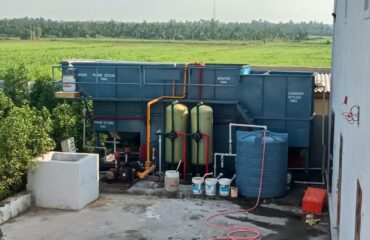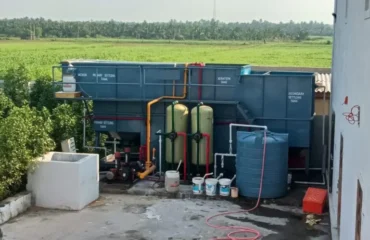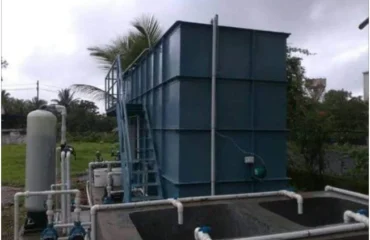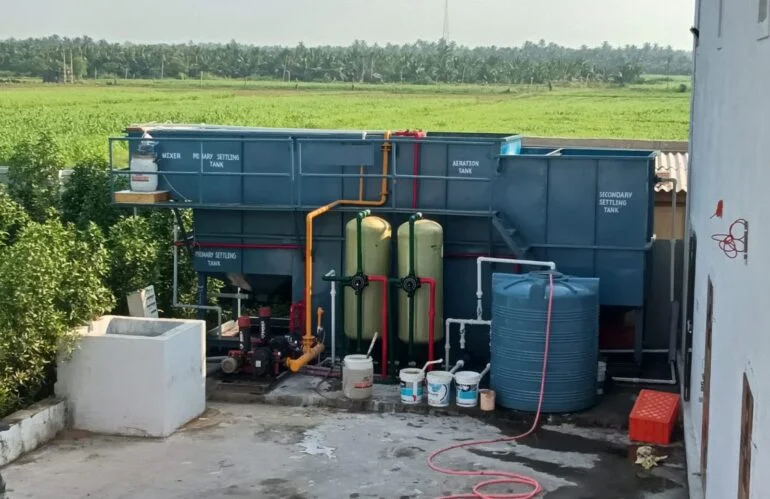
Introduction: The Growing Need for Sewage Water Treatment in Kanpur
Kanpur, a bustling industrial hub in Uttar Pradesh, faces significant challenges regarding water pollution. Rapid urbanization and industrial growth have put immense pressure on its water resources, making effective sewage water treatment a critical necessity. In this comprehensive guide, we delve into the world of Water Treatment Plant manufacturers in Kanpur, exploring their pivotal role in ensuring a sustainable and healthier environment. Whether you’re a municipal authority, an industrial complex, or a residential developer, understanding the landscape of STP plant manufacturers and their offerings is paramount.
Why Sewage Treatment Plants (STPs) are Indispensable for Kanpur
The Ganga River, a lifeline for millions, flows through Kanpur and has long suffered from the discharge of untreated wastewater. This not only contaminates the river but also poses severe health risks to the local population and damages aquatic ecosystems. Sewage treatment plant technology provides a robust solution, transforming hazardous wastewater into environmentally safe effluent. Here’s why STPs are crucial for Kanpur:
- Environmental Protection: Preventing pollution of natural water bodies like the Ganga.
- Public Health: Reducing waterborne diseases and improving community health standards.
- Water Scarcity Mitigation: Enabling the reuse of treated water for non-potable purposes, thereby conserving fresh water resources.
- Regulatory Compliance: Meeting stringent environmental norms set by bodies like the Central Pollution Control Board (CPCB).
Understanding the Role of an STP Plant Manufacturer in India
An effective STP plant manufacturer in India does more than just sell equipment; they provide comprehensive solutions from design and engineering to installation, commissioning, and maintenance. These manufacturers leverage cutting-edge technology and expertise to deliver customized solutions tailored to specific needs and capacities. When searching for a reliable STP plant manufacturer, it’s essential to look for companies that offer a holistic approach to wastewater management.
Key Offerings from Leading STP Plant Manufacturers
- Custom Design & Engineering: Developing systems optimized for specific wastewater characteristics and flow rates.
- Advanced Technology Integration: Utilizing techniques like MBR, SBR, MBBR, and UASB for efficient treatment.
- Project Management: Ensuring timely execution and adherence to budget.
- Installation & Commissioning: Professional setup and operational readiness checks.
- Operation & Maintenance (O&M) Support: Long-term support to ensure optimal performance and longevity of the plant.
- Regulatory Compliance Assistance: Guiding clients through the necessary permits and standards.
Choosing the Best Water Treatment Plant Manufacturers in Kanpur and Beyond
With numerous options available, selecting the right Water Treatment Plant manufacturer in Kanpur or across India can be a daunting task. To help you make an informed decision, consider the following critical factors:
Experience and Track Record
A manufacturer with a proven track record of successful projects demonstrates reliability and expertise. Look for companies that have completed similar projects in terms of scale and complexity. Reviews and testimonials can also offer valuable insights into their performance and customer satisfaction.
Technological Prowess
The field of wastewater treatment is constantly evolving. A top-tier STP plant manufacturer should be at the forefront of technological innovation, offering efficient, sustainable, and cost-effective solutions. Inquire about the technologies they specialize in (e.g., MBR, SBR, MBBR, extended aeration) and how these can benefit your specific requirements.
Customization and Flexibility
Every wastewater treatment challenge is unique. The best manufacturers offer tailored solutions rather than one-size-fits-all products. They should be able to design a system that precisely meets your effluent quality requirements, space constraints, and budget.
After-Sales Service and Support
The long-term performance of an STP largely depends on proper maintenance and prompt technical support. Ensure the manufacturer provides comprehensive after-sales services, including spare parts availability, troubleshooting, and regular maintenance contracts. This is especially important if you are looking for “STP plant Manufacturers near me” as local support can be more readily available.
Compliance and Certifications
Verify that the manufacturer adheres to national and international quality standards and environmental regulations. Certifications like ISO 9001, ISO 14001, and compliance with CPCB norms are indicators of a reputable and responsible firm.
Types of Sewage Treatment Technologies Offered by STP Plant Manufacturers
Modern STP plant manufacturers employ various technologies, each suited for different scales, wastewater characteristics, and desired effluent quality. Some of the most common and effective technologies include:
1. Activated Sludge Process (ASP)
One of the oldest and most widely used biological treatment methods. It involves aerating wastewater in a tank containing a suspension of microorganisms, which consume organic pollutants.
2. Moving Bed Biofilm Reactor (MBBR)
MBBR technology uses thousands of polyethylene biofilm carriers operating in an aerated wastewater treatment basin. The microorganisms grow on the carriers, providing a large surface area for biological treatment. This system is compact and efficient.
3. Sequential Batch Reactor (SBR)
SBRs operate on a batch basis, performing equalization, aeration, and clarification in a single tank. This offers flexibility and can be highly effective for varying flow rates and effluent quality demands.
4. Membrane Bioreactor (MBR)
MBR combines the activated sludge process with membrane filtration. This results in superior effluent quality, reduced footprint, and often allows for direct water reuse. MBR systems are considered advanced and are gaining popularity among STP plant manufacturers for their efficiency.
5. Upflow Anaerobic Sludge Blanket (UASB)
Primarily used for high-strength industrial wastewater, UASB is an anaerobic treatment method where wastewater flows upward through a blanket of granular sludge containing anaerobic microorganisms. It’s energy-efficient and produces biogas.
The Benefits of Investing in a High-Quality Sewage Treatment Plant
Investing in a robust and efficient sewage treatment plant provides a myriad of benefits that extend beyond mere compliance. These advantages are crucial for individuals, businesses, and municipal bodies alike.
Environmental Stewardship
By treating wastewater before discharge, STPs significantly reduce the pollution load on rivers, lakes, and groundwater. This protects aquatic life, preserves biodiversity, and contributes to the overall health of ecosystems, a vital concern for Kanpur’s delicate environment.
Public Health Protection
Untreated sewage is a breeding ground for pathogens that cause severe waterborne diseases such as cholera, typhoid, and dysentery. STPs eliminate these harmful microorganisms, safeguarding public health and improving the quality of life for communities.
Water Resource Conservation and Reuse
Treated wastewater, often referred to as “recycled water,” can be safely used for various non-potable purposes such as irrigation, industrial cooling, toilet flushing, and even groundwater recharge. This reduces the demand on fresh water sources, which is increasingly critical in regions facing water stress like many parts of India.
Economic Advantages
While the initial investment in a sewage treatment plant can be substantial, the long-term economic benefits are considerable. These include reduced fines for non-compliance, potential savings from water reuse, increased property values in areas with better environmental infrastructure, and job creation in the water management sector.
Compliance with Regulatory Standards
Government bodies, both central and state, have established strict effluent discharge standards. Installing a well-designed and maintained STP ensures that your operations comply with these regulations, avoiding legal repercussions and fostering a responsible corporate image.
Finding “Top 10 STP manufacturers in India”: What to Look For
While a definitive “Top 10” list can be subjective and change over time, the qualities that define leading STP plant manufacturers remain consistent. Instead of focusing solely on rankings, prioritize manufacturers who exhibit:
- Innovation: A commitment to research and development, offering the latest and most efficient technologies.
- Reliability: A track record of delivering durable, high-performing plants.
- Client-Centric Approach: Understanding and addressing specific client needs with tailored solutions.
- Sustainability: Designing plants that are energy-efficient and promote resource recovery.
- Comprehensive Service: Offering end-to-end solutions, from conceptualization to operation and maintenance.
Many reputable STP plant manufacturer in India will have a strong online presence, detailed case studies, and transparent information about their technologies and past projects. Checking industry forums and associations can also provide insights into reliable providers.
Regulatory Framework for Water Treatment Plants in India
In India, the Central Pollution Control Board (CPCB) and State Pollution Control Boards (SPCBs) play a crucial role in regulating wastewater discharge. They set stringent standards for effluent quality, and compliance is mandatory for all industries and municipalities. Water Treatment Plant manufacturers in Kanpur and elsewhere must design systems that can consistently meet these parameters. Key regulations include:
- Effluent Discharge Standards: Specific limits on parameters like BOD, COD, TSS, pH, and nutrient levels.
- Environmental Clearances: Mandatory clearances for setting up new projects or expanding existing ones.
- Consent to Operate: Regular renewals required from SPCBs to operate treatment facilities.
Choosing a manufacturer well-versed in these regulations ensures that your STP will not only be effective but also legally compliant, saving you from potential penalties and operational disruptions.
Installation and Maintenance: Ensuring Longevity and Performance
Even the most technologically advanced STP requires professional installation and diligent maintenance to perform optimally throughout its lifespan. Reputable STP plant manufacturers typically offer:
- Expert Installation: Certified technicians ensuring the plant is set up correctly according to design specifications.
- Operator Training: Comprehensive training for your staff to manage daily operations effectively.
- Preventive Maintenance Programs: Scheduled checks and services to prevent breakdowns and extend equipment life.
- Remote Monitoring: Some advanced systems offer remote monitoring capabilities, allowing manufacturers to proactively identify and address potential issues.
Neglecting maintenance can lead to inefficient treatment, increased operational costs, and potential environmental violations. Therefore, partnership with an STP plant manufacturer that emphasizes robust post-installation support is invaluable.
The Future of Water Treatment in Kanpur and India
The demand for effective sewage and water treatment plant manufacturers in Kanpur is only set to grow. With initiatives like the Swachh Bharat Abhiyan and Namami Gange program, there’s an increasing focus on cleaning India’s rivers and ensuring proper wastewater management. Future trends include:
- Decentralized Treatment Systems: Smaller, modular STPs for communities and industrial clusters.
- Resource Recovery: Focus on recovering valuable resources like nutrients (nitrogen, phosphorus) and energy (biogas) from wastewater.
- Smart STPs: Integration of AI, IoT, and automation for optimized operation and predictive maintenance.
- Advanced Oxidation Processes (AOPs): For treating recalcitrant pollutants and achieving higher effluent quality.
These innovations will further enhance the efficiency and sustainability of sewage treatment, contributing to a cleaner, healthier Kanpur and India.
Conclusion: Partnering for a Sustainable Future
The imperative for effective sewage treatment in Kanpur cannot be overstated. From safeguarding public health to preserving invaluable natural resources, Sewage Treatment Plants are foundational to sustainable urban and industrial development. Choosing the right Water Treatment Plant manufacturer in Kanpur, one that combines technological expertise with a commitment to quality and service, is the first and most critical step. By making informed decisions and investing in advanced, compliant solutions, we can collectively work towards a future where clean water is not a luxury, but a reality for everyone.
Explore reputable STP Plant manufacturers today and contribute to Kanpur’s greener, healthier tomorrow.
Frequently Asked Questions (FAQs)
- Q: What is a sewage treatment plant (STP) and why is it important for Kanpur?
- A: A Sewage Treatment Plant (STP) is a facility designed to remove contaminants from wastewater and household sewage, producing an effluent that is safe to discharge into natural water bodies or reuse. For Kanpur, STPs are vital to protect the Ganga River from pollution, improve public health by reducing waterborne diseases, and conserve freshwater resources by allowing treated water reuse.
- Q: What factors should I consider when choosing a Water Treatment Plant manufacturer in Kanpur?
- A: Key factors include the manufacturer’s experience and track record, technological capabilities (e.g., MBR, SBR), ability to provide customized solutions, comprehensive after-sales service and support, and adherence to regulatory compliance and certifications (like CPCB norms and ISO standards).
- Q: What are the common technologies used by STP plant manufacturers in India?
- A: Common technologies include the Activated Sludge Process (ASP), Moving Bed Biofilm Reactor (MBBR), Sequential Batch Reactor (SBR), Membrane Bioreactor (MBR), and Upflow Anaerobic Sludge Blanket (UASB). The choice depends on factors like wastewater characteristics, desired effluent quality, and available space.
- Q: Can treated sewage water be reused?
- A: Yes, treated sewage water (effluent) can be safely reused for various non-potable purposes such as irrigation, industrial cooling, toilet flushing, and groundwater recharge. Advanced treatment processes, particularly MBR, often produce water suitable for these applications, helping conserve fresh water resources.
- Q: How do I find the “Top 10 STP manufacturers in India”?
- A: Instead of a rigid “Top 10” list, focus on manufacturers exhibiting innovation, reliability, a client-centric approach, sustainable practices, and comprehensive end-to-end services. Look for companies with strong online presence, detailed case studies, and transparent information on their technologies and past projects. Industry associations can also be a good resource.
Related Resources