Sewage Water Treatment Plant in Jamnagar: Your Guide to Advanced STP Solutions
Jamnagar, a bustling city in Gujarat, India, is known for its industrial prowess and rapid urbanization. With growth comes responsibility, especially concerning environmental sustainability and public health. A critical aspect of this responsibility is effective sewage and wastewater management. This is where the expertise of Water Treatment Plant manufacturers in Jamnagar becomes indispensable. These specialized companies design, develop, and install advanced solutions, ensuring that the city’s wastewater is treated efficiently before being discharged or recycled. If you’re searching for a reliable STP plant manufacturer in the region, understanding the nuances of sewage treatment is the first step toward making an informed decision. This comprehensive guide will delve into everything you need to know about sewage water treatment plants, their importance, and how to identify the best manufacturers in and around Jamnagar.
Why Jamnagar Needs Advanced STP Solutions
Jamnagar’s strategic location and significant industrial presence, particularly in the oil and gas sector, contribute to a unique set of environmental challenges. The rapid expansion of residential areas further exacerbates the demand for robust sanitation infrastructure. Untreated sewage can lead to severe environmental degradation, contaminating water bodies, impacting biodiversity, and posing significant health risks to the community. Therefore, investing in high-quality sewage treatment plants is not just an environmental imperative but a public health necessity. Leading STP Plant manufacturers in India are stepping up to provide customized solutions that meet these growing demands, ensuring compliance with stringent environmental regulations. For businesses, comprehensive industrial water treatment solutions are paramount to manage effluent effectively.
Understanding Sewage Treatment Plants (STP): What They Are and Their Benefits
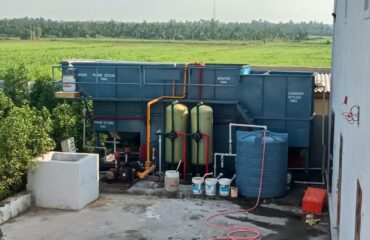
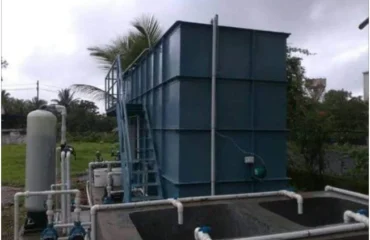
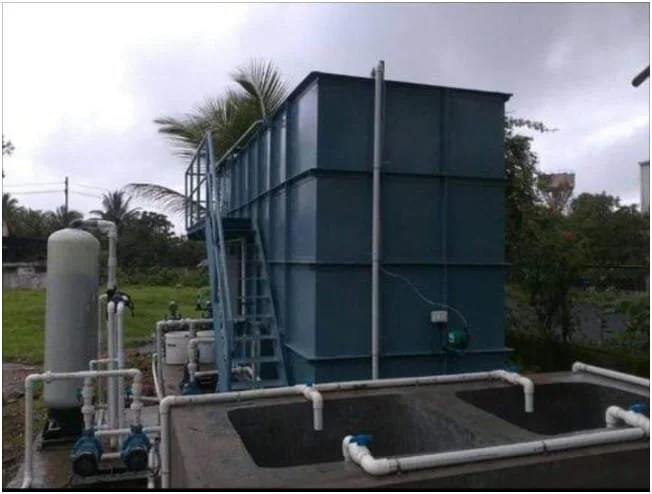
A Sewage Treatment Plant (STP) is a facility designed to remove contaminants from wastewater and household sewage, producing an effluent that is suitable for discharge to the natural environment or for reuse. The primary goal is to reduce the pollution load, making the water safer. The process typically involves physical, chemical, and biological methods to remove solids, organic matter, and nutrients.
The benefits of a well-functioning STP are manifold:
- Environmental Protection: Prevents pollution of rivers, lakes, and groundwater.
- Public Health: Reduces the spread of waterborne diseases.
- Resource Recovery: Treated water can be reused for non-potable purposes like irrigation, industrial cooling, or toilet flushing, conserving fresh water resources.
- Regulatory Compliance: Helps industries and municipalities meet environmental standards.
- Odor Control: Minimizes unpleasant odors associated with raw sewage.
Choosing an experienced STP plant manufacturer is crucial to harness these benefits effectively.
Key Considerations When Choosing STP Plant Manufacturers in Jamnagar
When evaluating Water Treatment Plant manufacturers in Jamnagar, several factors come into play to ensure you select a partner who can deliver a reliable and efficient system.
- Experience and Expertise: Look for manufacturers with a proven track record in designing, installing, and commissioning STPs of various capacities. Their experience in handling similar projects in diverse industrial and residential settings is a strong indicator of their capability.
- Technology and Innovation: The field of water treatment is constantly evolving. A good manufacturer will offer the latest technologies (e.g., MBR, SBR, MBBR) that are energy-efficient and highly effective. Inquire about their R&D efforts and how they integrate new advancements.
- Compliance and Certifications: Ensure the manufacturer adheres to national and international quality and environmental standards. Certifications like ISO 9001 and ISO 14001 are good indicators of their commitment to quality and environmental management.
- Customization Capabilities: Every project has unique requirements. A top STP plant manufacturer in India should be able to offer tailored solutions that fit your specific needs, site conditions, and budget.
- After-Sales Service and Support: An STP requires regular maintenance and occasional troubleshooting. Evaluate the manufacturer’s commitment to after-sales service, including spare parts availability, operational training, and annual maintenance contracts.
- Cost-Effectiveness: While initial investment is important, also consider the long-term operational costs, including energy consumption, chemical usage, and maintenance. A cost-effective solution is one that provides optimal performance with sustainable operating expenses.
The Expertise of a Leading STP Plant Manufacturer in India
Being recognized as a leading STP plant manufacturer in India requires more than just building plants; it demands a holistic approach to water management. Such manufacturers possess a deep understanding of hydrological cycles, chemical processes, biological treatment, and mechanical engineering. They often have dedicated teams for:
- Site Assessment and Feasibility Studies: Analyzing the wastewater characteristics, site topography, and regulatory requirements.
- Design and Engineering: Developing efficient and robust plant designs using advanced modeling tools.
- Manufacturing and Fabrication: Producing high-quality components and systems.
- Installation and Commissioning: Ensuring seamless setup and optimal performance of the plant.
- Operations & Maintenance (O&M): Providing ongoing support to ensure the plant runs efficiently throughout its lifecycle.
When you partner with such an expert, you’re not just buying a product; you’re investing in a long-term solution backed by comprehensive technical support.
STP Plant Manufacturers Near Me: Finding Local Experts
While considering Top 10 STP manufacturers in India, focusing on STP Plant manufacturers near me in Jamnagar or the surrounding Gujarat region can offer significant advantages. Local manufacturers often provide quicker response times for service and support, better understanding of local regulations, and potentially reduced transportation costs for equipment. They are also more accessible for site visits and face-to-face consultations, fostering stronger working relationships. When searching, prioritize those with a strong local presence and a portfolio of successful projects within the region. Utilize online directories, industry associations, and local business networks to find reputable options.
Top 10 STP Manufacturers in India: What Makes Them Stand Out
While listing specific companies might not be feasible here, understanding what categorizes a company among the Top 10 STP manufacturers in India is crucial. These manufacturers typically:
- Have extensive experience spanning decades.
- Possess a wide geographical reach with projects across India and sometimes internationally.
- Offer a diverse portfolio of STP technologies suitable for various applications (municipal, industrial, commercial).
- Invest heavily in R&D to bring innovative, sustainable, and energy-efficient solutions to the market.
- Prioritize customer satisfaction through robust project management, timely delivery, and excellent after-sales support.
- Adhere to the highest environmental and safety standards.
Such companies are often industry pioneers, setting benchmarks for quality and performance in the wastewater treatment sector.
Types of Sewage Treatment Plants (STP) and Technologies
Modern Sewage treatment plant facilities employ various technologies, each suited for different scales and wastewater characteristics.
- Activated Sludge Process (ASP): One of the most common biological treatment methods, it uses microorganisms to break down organic matter in an aerated tank.
- Moving Bed Biofilm Reactor (MBBR): This technology uses plastic carriers within the aeration tank to provide a surface for biofilm growth, enhancing efficiency and reducing footprint.
- Sequencing Batch Reactor (SBR): An intermittent process where all steps (filling, aeration, settling, decanting) occur in a single reactor, offering flexibility and compact design.
- Membrane Bioreactor (MBR): Combines activated sludge treatment with membrane filtration, producing high-quality effluent suitable for reuse. MBR systems are known for their small footprint and superior treated water quality.
- UASB (Upflow Anaerobic Sludge Blanket): An anaerobic treatment method often used for high-strength industrial wastewater, producing biogas as a byproduct.
Understanding these technologies helps you discuss specific needs with STP Plant manufacturers and choose the most appropriate system for your site in Jamnagar.
Benefits of Investing in a Quality Sewage Treatment Plant
The decision to invest in a quality Sewage treatment plant goes beyond mere compliance; it’s a strategic move that yields significant long-term benefits:
- Sustainable Water Management: Contributes to a circular economy by allowing water reuse, especially critical in water-stressed regions like parts of Gujarat. Explore advanced wastewater recycling technologies to maximize resource recovery and minimize environmental impact.
- Enhanced Public Image: Demonstrates corporate social responsibility (CSR) for industries and environmental stewardship for municipalities.
- Economic Savings: Over time, reusing treated water can reduce reliance on fresh water sources, leading to cost savings on water procurement and discharge fees.
- Land Value Protection: Prevents land and soil contamination, maintaining property values and environmental health.
- Future-Proofing: Proactive investment ensures readiness for increasingly stringent environmental regulations.
Working with experienced Water Treatment Plant manufacturers in Jamnagar ensures that your investment delivers these benefits optimally.
The Process of Sewage Water Treatment: A Simplified View
Understanding the basic stages of a Sewage treatment plant can demystify the process:
- Preliminary Treatment: Removes large solids (rags, sticks, grit) using screens and grit chambers.
- Primary Treatment: Wastewater flows into large tanks where solids settle to the bottom (sludge) and oils/grease float to the top (scum).
- Secondary Treatment: Biological processes are employed to remove dissolved and suspended biological matter. This is typically done using microorganisms in aerated tanks (like Activated Sludge, MBBR, SBR).
- Tertiary Treatment (Advanced Treatment): Further purification steps, often involving filtration (sand filters, activated carbon) and disinfection (chlorination, UV light), to achieve very high-quality effluent, suitable for specific reuse applications.
- Sludge Treatment: The settled solids (sludge) from primary and secondary treatment are further processed to reduce volume and pathogen content, often for safe disposal or agricultural use.
Choosing the Right Water Treatment Plant for Your Needs
Selecting the appropriate Water Treatment Plant requires a detailed analysis of your specific requirements. Factors such as the volume and characteristics of wastewater, the desired quality of the treated effluent, available space, budget, and future expansion plans all play a crucial role. Engaging with reputable STP Plant manufacturers in Jamnagar early in your project planning can provide invaluable insights and help you design a system that is perfectly aligned with your objectives. They can conduct thorough assessments and recommend the most suitable technology.
Maintenance and After-Sales Service: A Critical Component
Even the most advanced Sewage treatment plant requires consistent maintenance to operate at peak efficiency and ensure longevity. When selecting an STP plant manufacturer, pay close attention to the after-sales support they offer. This includes:
- Preventive Maintenance Schedules: Regular checks and servicing to prevent breakdowns.
- Emergency Support: Availability of technical assistance for unforeseen issues.
- Spare Parts Availability: Easy access to genuine replacement parts.
- Operator Training: Ensuring your staff is well-versed in operating and performing routine maintenance on the plant.
A strong service commitment from your STP Plant manufacturers is key to the sustained success of your water treatment infrastructure.
Conclusion
Jamnagar’s journey towards sustainable development is intrinsically linked to effective wastewater management. Partnering with the right Water Treatment Plant manufacturers in Jamnagar is not just a business decision but an investment in the city’s environmental health and future prosperity. By prioritizing experienced, technologically advanced, and customer-centric STP Plant manufacturers, industries, commercial establishments, and municipal bodies can ensure efficient and compliant sewage treatment solutions. Make an informed choice, contribute to a cleaner environment, and secure a sustainable water future for Jamnagar.
Frequently Asked Questions (FAQs) about STP Plants
- Q: What is a Sewage Treatment Plant (STP)?
- A: A Sewage Treatment Plant (STP) is a facility designed to remove contaminants from domestic and industrial wastewater, making it safe for discharge into the environment or for reuse. It employs physical, chemical, and biological processes to clean the water.
- Q: Why is sewage treatment important for Jamnagar?
- A: Jamnagar, with its rapid industrialization and urbanization, generates a significant amount of wastewater. Effective sewage treatment is crucial to prevent pollution of local water bodies, safeguard public health from waterborne diseases, and comply with environmental regulations, thereby promoting sustainable development.
- Q: How do I choose the best STP plant manufacturer in Jamnagar?
- A: To choose the best STP plant manufacturer in Jamnagar, consider their experience, technological expertise, compliance with quality standards, ability to offer customized solutions, and robust after-sales service. Look for manufacturers with a strong local presence and a proven track record.
- Q: What are the different types of STP technologies available?
- A: Common STP technologies include Activated Sludge Process (ASP), Moving Bed Biofilm Reactor (MBBR), Sequencing Batch Reactor (SBR), and Membrane Bioreactor (MBR). Each technology has specific advantages and is suited for different wastewater characteristics and treatment objectives.
- Q: What are the benefits of installing a modern sewage treatment plant?
- A: Installing a modern sewage treatment plant offers numerous benefits, including environmental protection, improved public health, the potential for water reuse (leading to resource conservation and cost savings), compliance with environmental regulations, and an enhanced public image through corporate social responsibility.