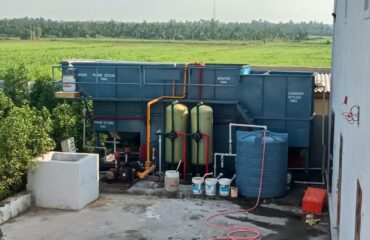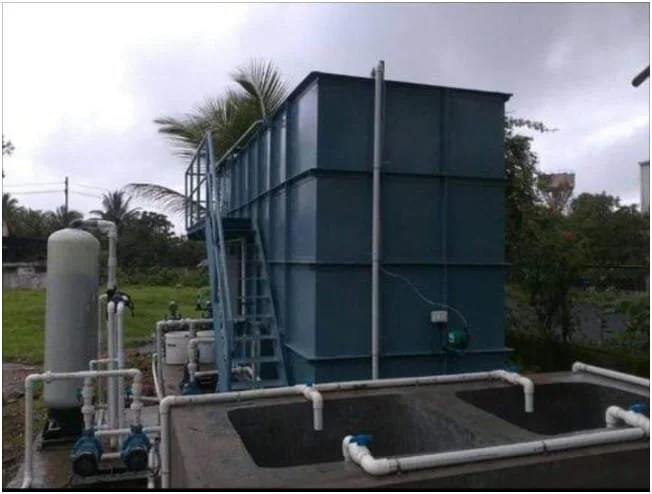
In an era where environmental consciousness is paramount, the effective management of wastewater has become a critical global concern. For urban and industrial centers like Bobbili, ensuring sustainable sewage treatment is not just a regulatory requirement but a fundamental pillar of public health and ecological preservation. This is where the role of expert Water Treatment Plant manufacturers in Bobbili becomes indispensable. If you’re seeking to implement or upgrade a sewage treatment system, understanding the landscape of STP plant manufacturers is your first crucial step.
This comprehensive guide will delve into the world of Sewage Treatment Plants (STPs), highlighting their importance, the various technologies available, and what to look for when selecting a reliable stp plant manufacturer. Whether you’re a municipality, an industrial facility, or a commercial establishment, finding the right partner among STP Plant manufacturers ensures a cleaner, healthier future for Bobbili and beyond.
Why Effective Sewage Treatment is Crucial for Bobbili’s Future
Bobbili, like many growing towns, faces the increasing challenge of managing its domestic and industrial wastewater efficiently. Untreated or poorly treated sewage can have devastating consequences:
- Environmental Degradation: Discharge of raw sewage into rivers, lakes, or groundwater contaminates water bodies, harming aquatic life and disrupting ecosystems.
- Public Health Risks: Pathogens present in sewage can cause waterborne diseases like cholera, typhoid, and dysentery, posing severe threats to community health.
- Odor Nuisance: Untreated sewage emits foul odors, degrading the quality of life for residents and impacting local businesses.
- Resource Depletion: Treated wastewater can be a valuable resource for non-potable uses like irrigation, industrial cooling, and groundwater recharge. Wasting this potential adds strain to fresh water resources.
Investing in a high-quality Sewage treatment plant is therefore an investment in public health, environmental sustainability, and the long-term prosperity of Bobbili.
Understanding STP Plants: The Core of Wastewater Management
A Sewage treatment plant (STP) is a facility designed to remove contaminants from wastewater and household sewage to produce an effluent that is suitable for discharge to the natural environment or for reuse. The process typically involves several stages:
- Preliminary Treatment: Removal of large solids (rags, sticks) and grit using screens and grit chambers.
- Primary Treatment: Sedimentation of suspended solids and organic matter in primary clarifiers.
- Secondary Treatment: Biological processes where microorganisms consume dissolved organic pollutants. This is the heart of most STPs and involves techniques like Activated Sludge Process (ASP), Moving Bed Biofilm Reactor (MBBR), and Sequential Batch Reactor (SBR).
- Tertiary Treatment (Optional but Recommended): Further polishing of effluent to remove remaining suspended solids, nutrients (nitrogen, phosphorus), and pathogens, often involving filtration, disinfection (chlorination, UV), or advanced wastewater treatment processes.
- Sludge Treatment: Handling and disposal of the solid waste (sludge) generated during the treatment process.
The choice of technology depends on factors like influent quality, desired effluent standards, land availability, and operational costs. Experienced Water Treatment Plant manufacturers in Bobbili can guide you through these options.
Different Technologies for Modern STP Plants
The advancements in wastewater treatment have led to a variety of effective technologies. A good stp plant manufacturer in India, including those serving Bobbili, will typically offer solutions based on these proven methods:
1. Conventional Activated Sludge Process (ASP)
This is one of the oldest and most widely used biological treatment methods. It involves aerating wastewater in a tank containing a suspension of activated sludge (microorganisms) that break down organic matter. The sludge is then separated from the treated water in a secondary clarifier.
2. Moving Bed Biofilm Reactor (MBBR)
MBBR technology utilizes thousands of polyethylene biofilm carriers operating in an aerated wastewater treatment basin. The microorganisms grow on these carriers, increasing the biomass concentration and enhancing treatment efficiency within a smaller footprint.
3. Sequential Batch Reactor (SBR)
SBR is a fill-and-draw activated sludge system where all treatment processes occur sequentially in a single reactor basin. It operates in cycles (fill, react, settle, draw, idle), offering high flexibility and often resulting in better effluent quality.
4. Membrane Bioreactor (MBR)
MBR combines the activated sludge process with membrane filtration (microfiltration or ultrafiltration). This technology delivers exceptionally high-quality effluent, free of suspended solids and bacteria, suitable for direct reuse. It requires a smaller footprint but has higher initial and operational costs.
5. Upflow Anaerobic Sludge Blanket (UASB)
Primarily used for high-strength industrial wastewater solutions, UASB is an anaerobic treatment method where wastewater flows upwards through a blanket of anaerobic sludge. It produces biogas (methane) as a byproduct, which can be utilized as an energy source.
Each technology has its advantages and disadvantages in terms of footprint, operational complexity, energy consumption, and effluent quality. Reputable STP Plant manufacturers will help you assess your specific needs to determine the most suitable solution.
Key Considerations for Choosing an STP Manufacturer in Bobbili
When you’re looking for Water Treatment Plant manufacturers in Bobbili, making the right choice is paramount for the long-term success and efficiency of your sewage treatment system. Here’s what to look for:
1. Experience and Expertise
Opt for manufacturers with a proven track record in designing, installing, and commissioning a variety of STP plants. Their experience should span different capacities and types of wastewater, indicating their ability to handle diverse challenges. An experienced stp plant manufacturer understands local conditions and regulatory requirements.
2. Technological Prowess
The manufacturer should offer a range of advanced and reliable technologies (MBBR, SBR, MBR, etc.) and be able to customize solutions. They should stay updated with the latest innovations in wastewater treatment to provide efficient and sustainable systems.
3. Compliance and Certifications
Ensure the chosen manufacturer adheres to national and international quality standards (e.g., ISO certifications) and environmental regulations. Compliance is not just about avoiding penalties; it’s about guaranteeing effective and safe treatment. A good stp plant manufacturer in India will be well-versed in CPCB norms.
4. Comprehensive Services
Beyond manufacturing, assess if they provide end-to-end services including:
- Site survey and feasibility studies
- Customized design and engineering
- Manufacturing and supply of equipment
- Installation and commissioning
- Operator training
- Post-installation support and annual maintenance contracts (AMCs)
These comprehensive services ensure a hassle-free experience and optimal performance of your Sewage treatment plant.
5. Cost-Effectiveness and Transparency
While cost is a factor, prioritize value over just the lowest price. A cheaper initial investment might lead to higher operational costs or frequent breakdowns. Look for transparent pricing, clear warranties, and a detailed breakdown of costs. Discuss both CAPEX and OPEX with potential STP Plant manufacturers.
6. Reputation and Client Testimonials
Check their reputation in the market. Look for client testimonials, case studies, and references. A strong portfolio of successfully completed projects is a good indicator of reliability and quality. You can also search for “STP plant Manufacturers near me” and check their local reviews.
Finding Top Water Treatment Plant Manufacturers in Bobbili and Across India
The search for the ideal stp plant manufacturer can sometimes feel overwhelming given the numerous options available. Here’s how to streamline your search, whether you’re focusing locally in Bobbili or looking at the broader Indian market:
Local Search: “STP Plant Manufacturers Near Me”
For projects in Bobbili, starting with a local search is highly beneficial. Searching for “STP plant Manufacturers near me” or specifically “Water Treatment Plant manufacturers in Bobbili” can yield companies that:
- Have a better understanding of local regulations and environmental conditions.
- Can provide quicker response times for site visits, installation, and urgent service needs.
- Offer local support and maintenance, potentially reducing travel costs and downtime.
- May have existing projects in the region, which you can visit for reference.
Engaging with local providers also contributes to the regional economy and fosters stronger business relationships.
National Search: “Top 10 STP Manufacturers in India”
If your project is larger or if you wish to explore a wider range of technologies and expertise, expanding your search to “Top 10 STP manufacturers in India” can be valuable. These larger national players often:
- Possess extensive R&D capabilities, leading to innovative and highly efficient solutions.
- Have a vast network and resources to handle complex, large-scale projects.
- May offer a broader portfolio of specialized wastewater treatment solutions for various industries.
- Have stringent quality control processes and international certifications.
When considering national manufacturers for a project in Bobbili, ensure they have a robust local presence or a reliable support network to provide timely assistance.
Regardless of whether you choose a local or national partner, the key is thorough due diligence. Request detailed proposals, compare technologies, check references, and ensure transparency in all dealings with potential STP Plant manufacturers.
The Seamless Process of STP Plant Installation
Engaging with professional Water Treatment Plant manufacturers in Bobbili means a streamlined and efficient installation process. While specifics may vary, a typical project flow includes:
1. Initial Consultation and Site Assessment
The process begins with a detailed discussion of your wastewater characteristics, desired effluent quality, daily flow rate, available land, and budget. Experts conduct a thorough site survey to understand the topographical, geological, and infrastructural constraints.
2. Custom Design and Engineering
Based on the assessment, the stp plant manufacturer designs a customized solution. This involves process design (selecting the right technology), civil engineering design for tanks and structures, mechanical and electrical drawings, and piping & instrumentation diagrams. The design ensures compliance with all local and national environmental standards.
3. Manufacturing and Procurement
Once the design is approved, the manufacturing of key components (e.g., aeration systems, clarifiers, membrane modules) begins. Simultaneously, other necessary equipment like pumps, blowers, control panels, and disinfection units are procured from trusted suppliers, ensuring quality and compatibility.
4. Installation and Civil Works
The site preparation and civil construction for the STP tanks and related infrastructure commence. This is followed by the mechanical installation of manufactured and procured equipment, piping, and electrical wiring. Safety protocols are strictly adhered to throughout this phase.
5. Commissioning and Performance Testing
Once installed, the plant undergoes a rigorous commissioning phase. This involves testing individual components, then running the entire system with wastewater to ensure all processes are functioning optimally and the treated effluent meets the specified quality parameters. Adjustments are made as necessary to optimize performance.
6. Operator Training and Handover
Before final handover, the client’s operational staff receives comprehensive training on the plant’s operation, monitoring, maintenance, and troubleshooting. Detailed operation and maintenance manuals are provided. A reliable STP plant manufacturer in India will ensure your team is fully equipped to run the plant efficiently.
7. Post-Installation Support and Maintenance
Reputable STP Plant manufacturers offer ongoing support through Annual Maintenance Contracts (AMCs), spare parts supply, and technical assistance. Regular maintenance is crucial for the longevity and consistent performance of your Sewage treatment plant.
Embracing Innovation: Technological Advancements in STP
The field of wastewater treatment is continuously evolving, driven by the need for greater efficiency, reduced environmental footprint, and lower operational costs. Modern Water Treatment Plant manufacturers in Bobbili are integrating these advancements into their offerings:
- Smart Monitoring and Automation: Integration of SCADA systems, IoT sensors, and AI-driven analytics allows for real-time monitoring of plant performance, predictive maintenance, and automated process control, leading to optimized operation and reduced manual intervention.
- Energy Efficiency: Innovations in aeration systems (fine bubble diffusers, high-efficiency blowers), optimized pump selections, and energy recovery systems (e.g., from biogas in anaerobic processes) significantly reduce the energy consumption of STPs.
- Advanced Sludge Management: Techniques like anaerobic digestion for biogas production, sludge dewatering technologies (belt filter presses, screw presses), and valorization of treated sludge for agricultural use are becoming more common, minimizing waste and potentially generating revenue.
- Nutrient Removal Technologies: Beyond basic BOD/COD removal, advanced STPs incorporate biological nutrient removal (BNR) or chemical phosphorus removal to meet stricter effluent discharge limits, especially for sensitive receiving waters.
- Modular and Compact STPs: For areas with limited space or fluctuating populations, modular and prefabricated STP units offer rapid deployment, scalability, and flexibility, making them ideal for smaller communities or temporary sites.
Choosing an stp plant manufacturer that embraces these innovations ensures you get a future-ready solution that is both environmentally responsible and economically viable.
Conclusion: Partnering for a Sustainable Bobbili
The importance of effective sewage treatment cannot be overstated. For Bobbili to thrive sustainably, robust and efficient wastewater management systems are not just desirable but essential. By partnering with experienced and technologically advanced Water Treatment Plant manufacturers in Bobbili, you contribute directly to a cleaner environment, improved public health, and the conservation of precious water resources.
Whether your requirement is a compact STP for a residential complex, a large-scale system for a municipal corporation, or a specialized treatment solution for an industrial facility, the right STP plant manufacturer in India will provide tailored expertise. Take the proactive step today to explore the best wastewater treatment solutions, ensuring a healthier and more prosperous future for Bobbili. Invest in quality, invest in sustainability, and let expert STP Plant manufacturers guide you toward an optimal solution.
Frequently Asked Questions about STP Plants in Bobbili
Q: What is an STP plant and why is it important for Bobbili?
A: An STP (Sewage Treatment Plant) is a facility that removes contaminants from wastewater, making it safe for discharge or reuse. For Bobbili, it’s crucial for public health, environmental protection, and preventing waterborne diseases and pollution of local water bodies.
Q: What types of STP technologies are available?
A: Common STP technologies include Activated Sludge Process (ASP), Moving Bed Biofilm Reactor (MBBR), Sequential Batch Reactor (SBR), and Membrane Bioreactor (MBR). The best choice depends on factors like wastewater characteristics, desired effluent quality, and available space.
Q: How do I choose the best Water Treatment Plant manufacturer in Bobbili?
A: Look for manufacturers with proven experience, a strong portfolio of projects, diverse technological offerings, adherence to environmental standards, comprehensive services (design, installation, maintenance), and positive client testimonials.
Q: Can treated sewage water be reused?
A: Yes, treated sewage water (effluent) from advanced STPs can be reused for various non-potable purposes such as irrigation, industrial cooling, toilet flushing, and groundwater recharge, helping conserve fresh water resources.
Q: What is the typical lifespan of an STP plant?
A: With proper design, quality components, regular operation, and consistent maintenance, an STP plant can have a lifespan of 15 to 25 years or even more, while some individual components might require replacement sooner.