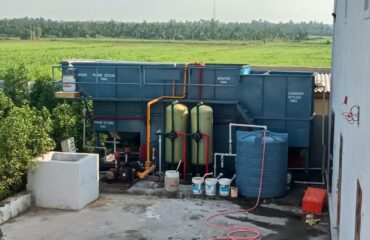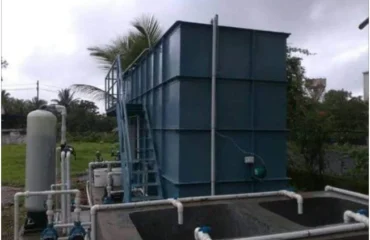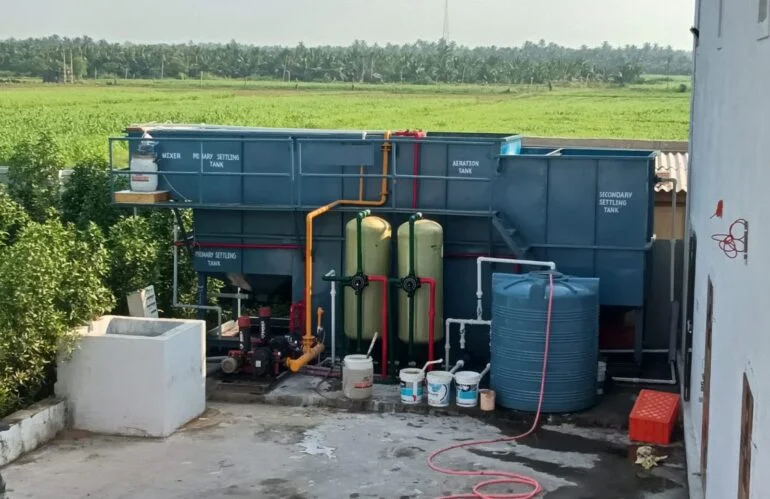
Jaipur, the vibrant capital of Rajasthan, is a city experiencing rapid urbanization and industrial growth. While this expansion brings prosperity, it also presents significant challenges, particularly concerning water management and environmental sustainability. The increasing demand for water and the subsequent generation of wastewater make the role of Water Treatment Plant manufacturers in Jaipur more critical than ever. In this comprehensive guide, we delve into the world of sewage treatment plants (STPs), highlighting their importance, the technologies involved, and how to choose the best partners for your wastewater treatment needs in the Pink City.
The Growing Imperative for Advanced Sewage Water Treatment in Jaipur
Jaipur, like many rapidly developing urban centers, faces immense pressure on its natural resources. The availability of fresh water is dwindling, and the generation of domestic and industrial wastewater continues to rise. Untreated or improperly treated wastewater poses severe threats to public health, local ecosystems, and groundwater resources. This is where advanced Sewage Treatment Plant solutions come into play, offering a sustainable way to manage and reuse water.
Investing in a high-quality Sewage Treatment Plant is not just an environmental responsibility; it’s a strategic necessity for businesses, residential complexes, and municipalities in Jaipur. It ensures compliance with environmental regulations, reduces operational costs by enabling water recycling, and contributes significantly to the city’s ecological balance.
Understanding Water Treatment Plant Manufacturers in Jaipur: A Local Advantage
When it comes to selecting a wastewater treatment solution, partnering with local Water Treatment Plant manufacturers in Jaipur offers distinct advantages. These manufacturers possess a nuanced understanding of the local environmental conditions, regulatory landscape, and specific water quality challenges prevalent in Rajasthan. This local insight allows them to design and implement tailored, highly effective solutions.
A reputable stp plant manufacturer based in or near Jaipur can provide:
- Responsive Service: Quicker installation, maintenance, and troubleshooting, often critical for uninterrupted operations.
- Local Expertise: Solutions designed with an understanding of local water characteristics and discharge norms.
- Cost-Effectiveness: Reduced transportation costs and often more competitive pricing due to localized operations.
- Stronger Relationships: Building trust and long-term partnerships with local businesses and communities.
Key Considerations When Selecting an STP Plant Manufacturer
Choosing the right STP Plant manufacturers is crucial for the longevity and efficiency of your wastewater treatment system. Here are vital factors to consider:
1. Expertise and Experience
Look for an stp plant manufacturer with a proven track record in designing, installing, and maintaining various types of STPs. Their experience should align with the scale and complexity of your project, whether it’s for a small commercial unit or a large industrial facility. An experienced manufacturer will understand the intricacies of different wastewater streams and can recommend the most suitable technology.
2. Technology and Innovation
The field of wastewater treatment is constantly evolving. A leading Stp plant manufacturer in india should be at the forefront of technological advancements. They should offer a range of modern technologies such as MBR (Membrane Bioreactor), SBR (Sequencing Batch Reactor), MBBR (Moving Bed Biofilm Reactor), and conventional activated sludge processes. The chosen technology should be energy-efficient, require minimal maintenance, and effectively meet discharge standards.
3. Customization and Scalability
Every project has unique requirements. A good STP Plant manufacturer will offer customized solutions rather than one-size-fits-all packages. They should be able to design a plant that fits your specific effluent characteristics, space availability, budget, and future expansion plans. Scalability is important if your water treatment needs are expected to grow.
4. Compliance and Certifications
Ensure the manufacturer adheres to all relevant national and local environmental regulations, including those set by the Central Pollution Control Board (CPCB) and Rajasthan State Pollution Control Board (RSPCB). Check for certifications like ISO 9001 (Quality Management) and ISO 14001 (Environmental Management), which indicate a commitment to quality and responsible practices.
5. After-Sales Service and Support
The installation of an STP is just the beginning. Reliable after-sales service, including operation and maintenance (O&M) contracts, spare parts availability, and technical support, is crucial for the long-term efficiency of the plant. Opting for STP plant Manufacturers near me often guarantees quicker and more efficient support.
The Role of “Top 10 STP Manufacturers in India” in Setting Industry Benchmarks
While local manufacturers offer proximity advantages, considering the expertise of the Top 10 STP manufacturers in India can provide insights into industry best practices and cutting-edge technologies. These leading companies often drive innovation, set high standards for quality, and have extensive experience across diverse industries and geographical locations. Many of these top players have a strong presence or partnerships in regions like Jaipur, bringing their national expertise to local projects.
When evaluating manufacturers, whether local or national, it’s beneficial to look at their portfolio of successfully completed projects, client testimonials, and their commitment to sustainable and eco-friendly practices. This helps in understanding their capabilities and reliability.
The Sewage Treatment Process: A Detailed Overview
A typical Sewage Treatment Plant operates through several stages to transform raw wastewater into environmentally safe effluent. Understanding these stages can help you appreciate the complexity and importance of these systems:
1. Preliminary Treatment
This stage involves removing large solids, grit, and other debris that can damage pumps and equipment. It typically includes screening (bar screens) and grit chambers.
2. Primary Treatment
In this phase, the wastewater flows into large settling tanks (primary clarifiers) where heavier organic solids settle at the bottom, forming sludge, and lighter materials like oil and grease float to the surface. Both are then removed.
3. Secondary Treatment (Biological Treatment)
This is the core of the Sewage treatment plant. Microorganisms are used to break down dissolved and suspended organic matter that was not removed in primary treatment. Common methods include activated sludge process, trickling filters, MBR, SBR, and MBBR. Aeration is often used to provide oxygen for the bacteria.
4. Tertiary Treatment (Advanced Treatment)
This optional but increasingly common stage further improves effluent quality for specific discharge requirements or reuse purposes. It can involve filtration (sand filters, activated carbon), disinfection (chlorination, UV radiation, ozonation), and nutrient removal (nitrogen and phosphorus).
5. Sludge Treatment and Disposal
The sludge generated from primary and secondary treatment is further processed to reduce its volume and stabilize it. This can involve thickening, digestion (anaerobic or aerobic), dewatering, and ultimately safe disposal or beneficial reuse (e.g., as fertilizer).
Unlocking the Benefits of Installing a Sewage Treatment Plant
The advantages of implementing a state-of-the-art Sewage Treatment Plant extend far beyond mere compliance:
- Environmental Protection: Prevents pollution of rivers, lakes, and groundwater, preserving aquatic life and ecosystems.
- Water Conservation and Reuse: Treated wastewater can be safely used for non-potable purposes like irrigation, industrial processes, toilet flushing, and cooling towers, significantly reducing reliance on fresh water sources in water-scarce regions like Jaipur.
- Public Health Safety: Eliminates pathogens and contaminants, reducing the risk of waterborne diseases.
- Regulatory Compliance: Ensures adherence to strict environmental discharge standards, avoiding penalties and legal issues.
- Enhanced Property Value: For residential and commercial developments, a functioning STP adds value and demonstrates environmental responsibility.
- Resource Recovery: Potential for recovering valuable resources such as biogas (from anaerobic digestion) and nutrient-rich biosolids.
Types of STP Plants Offered by Leading STP Plant Manufacturers
Modern STP Plant manufacturers offer a variety of technologies, each suited for different applications and scales:
- MBR (Membrane Bioreactor) Plants: Combine activated sludge treatment with membrane filtration. They produce very high-quality effluent suitable for direct reuse, require less space, but have higher initial and operational costs due to membrane maintenance.
- SBR (Sequencing Batch Reactor) Plants: Operate in batches in a single tank for aeration, clarification, and decantation. They are highly flexible, easy to operate, and ideal for varying flow rates.
- MBBR (Moving Bed Biofilm Reactor) Plants: Use small plastic carriers to provide a surface for biofilm growth. They offer a compact footprint, high treatment efficiency, and robustness against shock loads.
- Extended Aeration Plants: A modification of the activated sludge process, designed for smaller communities. They feature longer aeration times and produce less sludge, but require more space.
- Fixed Film Bioreactors (e.g., Trickling Filters): Older, robust technology where wastewater trickles over a bed of media covered with biofilm. Simple to operate and low energy consumption.
The choice of technology by Water Treatment Plant manufacturers in Jaipur will depend on factors like influent quality, desired effluent quality, space constraints, energy consumption goals, and budget.
Navigating Regulations and Standards for STP Plants in India
In India, the installation and operation of Sewage Treatment Plant facilities are governed by stringent environmental regulations. The Central Pollution Control Board (CPCB) sets national standards for effluent discharge, and state-level pollution control boards, such as the Rajasthan State Pollution Control Board (RSPCB), enforce these norms and often add their own specific requirements. Key aspects include:
- Effluent Discharge Standards: Limits on parameters like BOD (Biochemical Oxygen Demand), COD (Chemical Oxygen Demand), TSS (Total Suspended Solids), pH, and nitrogen/phosphorus levels.
- Consent to Establish (CTE) and Consent to Operate (CTO): Mandatory permissions required from the RSPCB before commissioning and running an STP.
- Monitoring and Reporting: Regular testing of treated effluent and submission of compliance reports to regulatory authorities.
A competent stp plant manufacturer will ensure that their proposed solutions are fully compliant with these regulations, helping you avoid legal complications and ensuring sustainable operations.
Partnering with the Best: Your Guide to Water Treatment Plant Manufacturers in Jaipur
As Jaipur continues its journey of development, the demand for efficient and reliable sewage treatment solutions will only intensify. Collaborating with leading Water Treatment Plant manufacturers in Jaipur is paramount to addressing these challenges effectively. By prioritizing expertise, advanced technology, customization, and strong after-sales support, you can ensure that your investment in a Sewage Treatment Plant contributes positively to both your organization’s sustainability goals and the broader environmental health of the city.
Take the proactive step towards a cleaner, greener future. Engage with seasoned STP Plant manufacturers who not’t only understand the nuances of wastewater treatment but also share your commitment to environmental stewardship. Choose wisely, choose sustainably.