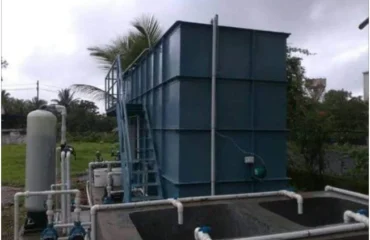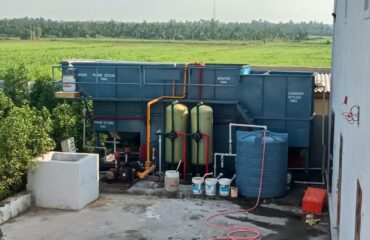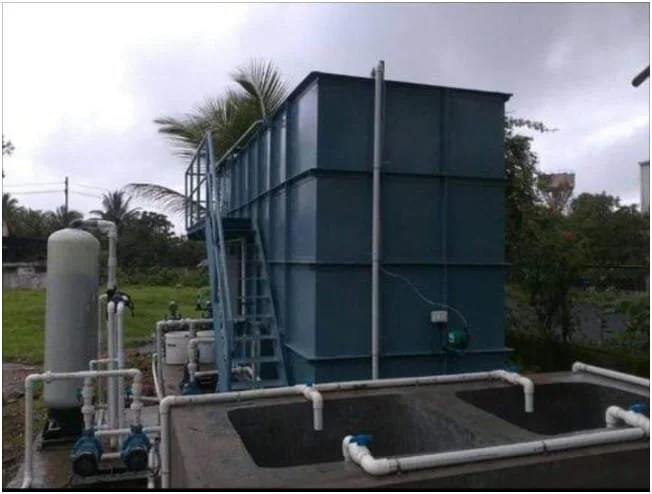
Thane, a rapidly developing city in Maharashtra, stands at the nexus of urban expansion and environmental responsibility. As its population and industrial footprint grow, the demand for robust infrastructure to manage waste, particularly sewage, becomes paramount. A well-functioning sewage treatment plant (STP) is not merely a utility but a cornerstone of public health, environmental sustainability, and responsible urban planning. For businesses, residential complexes, and even municipal bodies in this vibrant region, finding reliable Water Treatment Plant manufacturers in Thane is a critical endeavor. These manufacturers play a pivotal role in designing, installing, and maintaining the systems that safeguard our water resources, transforming wastewater into an environmentally safe effluent. This comprehensive guide delves into the significance of sewage treatment, what makes an effective STP, and how to identify the leading STP plant manufacturer capable of meeting Thane’s specific needs.
The Critical Need for Sewage Treatment in Thane
Thane’s picturesque lakes and burgeoning urban landscapes are constantly under pressure from the byproducts of human activity. Untreated sewage poses a severe threat to these natural ecosystems, leading to water pollution, depletion of aquatic life, and the spread of waterborne diseases. The local authorities, recognizing these challenges, have stringent regulations in place regarding wastewater discharge. Therefore, investing in a state-of-the-art Sewage treatment plant is not just an environmental imperative but also a legal necessity for many establishments.
Rapid industrialization and residential development in areas like Ghodbunder Road, Majiwada, and Kalwa further accentuate this need. Each new development generates more wastewater, and without adequate treatment, the cumulative impact can be devastating. Effective sewage treatment ensures that discharged water meets environmental standards, protecting Thane’s natural beauty and its residents’ health. From large housing societies to industrial estates, the demand for specialized STP Plant manufacturers who understand local conditions and regulations is higher than ever.
Understanding Sewage Treatment Plants (STPs)
A Sewage Treatment Plant (STP) is a facility designed to remove contaminants from wastewater and household sewage, producing an effluent that is suitable for discharge to the natural environment or for reuse. The process typically involves several stages:
- Preliminary Treatment: This stage involves removing large solids, rags, and grit using screens and grit chambers. This protects subsequent machinery from damage.
- Primary Treatment: Here, suspended solids and organic matter are removed through sedimentation. Wastewater flows into large tanks, allowing heavier solids to settle at the bottom (sludge) and lighter materials (scum) to float to the top, both of which are then removed.
- Secondary Treatment: This is the biological treatment stage, where aerobic bacteria consume the dissolved organic contaminants in the wastewater. Common technologies include Activated Sludge Process (ASP), Moving Bed Biofilm Reactor (MBBR), Sequential Batch Reactor (SBR), and Submerged Aerobic Fixed Film (SAFF) reactors. These biological processes significantly reduce the biochemical oxygen demand (BOD) and suspended solids.
- Tertiary Treatment (Advanced Treatment): Depending on the required effluent quality and intended reuse, further treatment steps may be employed. These can include filtration (sand filters, activated carbon filters), disinfection (chlorination, UV radiation, ozonation), and nutrient removal (nitrogen and phosphorus).
- Sludge Treatment: The sludge generated from primary and secondary treatment undergoes separate processing, which may involve thickening, dewatering, and digestion, before safe disposal or beneficial reuse.
Each stage is crucial in transforming hazardous wastewater into cleaner, safer water, underscoring the complexity and expertise required from an STP plant manufacturer in India.
What to Look for in Water Treatment Plant Manufacturers in Thane
Choosing the right partner for your sewage treatment needs is paramount. With numerous Water Treatment Plant manufacturers in Thane and across India, discerning the best fit requires careful consideration of several factors:
Experience and Expertise:
A manufacturer’s track record speaks volumes. Look for companies with extensive experience in designing, installing, and commissioning STPs for diverse clients, including residential, commercial, and industrial sectors. An experienced stp plant manufacturer will have a deep understanding of various wastewater characteristics and can anticipate potential challenges, offering robust and reliable solutions. Their portfolio should demonstrate successful projects of similar scale and complexity to yours.
Technology and Innovation:
The field of wastewater treatment is constantly evolving. A leading manufacturer should employ the latest technologies and innovative approaches to ensure efficiency, cost-effectiveness, and optimal performance. This includes energy-efficient designs, advanced automation, and processes that deliver superior effluent quality. Inquire about their research and development efforts and how they integrate new advancements into their systems.
Customization and Scalability:
No two sewage treatment needs are identical. A reputable STP Plant manufacturers will not offer a one-size-fits-all solution but instead provide customized designs tailored to your specific flow rates, influent characteristics, space availability, and desired effluent quality. Furthermore, consider if their systems are scalable, allowing for future expansion as your needs grow.
Compliance and Certifications:
Adherence to national and local environmental regulations (like those set by the Maharashtra Pollution Control Board – MPCB) is non-negotiable. Ensure your chosen manufacturer is well-versed in these standards and guarantees that their installed plants will meet or exceed all statutory requirements. Certifications such as ISO 9001 (Quality Management) and ISO 14001 (Environmental Management) are strong indicators of a company’s commitment to quality and environmental responsibility.
After-Sales Service and Support:
An STP is a long-term investment that requires ongoing maintenance and occasional troubleshooting. Excellent after-sales service, including routine maintenance contracts, availability of spare parts, and prompt technical support, is crucial. Proximity can be a significant advantage here, making STP plant Manufacturers near me in Thane a highly desirable option for quick and efficient service.
The Process: Partnering with an STP Plant Manufacturer
Engaging with a leading STP plant manufacturer involves a structured approach to ensure the successful implementation of your sewage treatment solution:
- Consultation & Site Assessment: The process begins with a detailed discussion of your requirements, followed by a thorough site visit. This helps the manufacturer understand the project’s scope, assess site-specific conditions, and gather necessary data about wastewater characteristics and discharge norms.
- Design & Engineering: Based on the assessment, engineers will develop a customized STP design. This involves selecting the most appropriate treatment technology, preparing detailed engineering drawings, process flow diagrams, and equipment specifications, ensuring compliance with all regulations.
- Fabrication & Installation: Once the design is approved, the manufacturing of components begins. This can involve both factory fabrication and on-site construction. Skilled technicians then handle the installation of the plant components, piping, electrical systems, and automation.
- Commissioning & Training: After installation, the plant undergoes rigorous testing and commissioning. This phase ensures all systems are functioning correctly and the plant is effectively treating wastewater to the desired standards. Operator training is also provided to your staff to ensure they can confidently and efficiently manage the plant’s daily operations.
- Operation & Maintenance: Post-commissioning, the manufacturer often provides ongoing support through operation and maintenance (O&M) contracts. This includes routine checks, preventative maintenance, performance monitoring, and rapid response to any operational issues, ensuring the plant’s long-term efficiency and compliance.
Benefits of Investing in a High-Quality Sewage Treatment Plant
The decision to install an advanced Sewage treatment plant offers a multitude of benefits, extending beyond mere compliance:
- Environmental Protection: By treating wastewater before discharge, STPs prevent pollution of rivers, lakes, and groundwater, preserving biodiversity and delicate ecosystems. This is a crucial step towards ecological balance.
- Public Health Improvement: Untreated sewage is a breeding ground for pathogens, leading to waterborne diseases. Effective treatment eliminates these health risks, safeguarding communities and enhancing overall public health.
- Water Conservation and Reuse: Treated wastewater can be safely reused for non-potable purposes such as irrigation, industrial cooling, toilet flushing, and landscaping. This reduces reliance on fresh water sources, which is increasingly vital in water-stressed regions like parts of India. Many forward-thinking STP plant manufacturers in India specialize in solutions that enable water recycling.
- Regulatory Compliance and Avoidance of Penalties: Adhering to environmental discharge norms set by pollution control boards prevents hefty fines, legal action, and reputational damage. A high-quality STP ensures continuous compliance.
- Sustainability and Corporate Social Responsibility (CSR): Investing in an STP demonstrates a commitment to sustainability and responsible environmental stewardship. This enhances a company’s public image and contributes positively to the community.
Finding the Top STP Plant Manufacturers in India (and Specifically Thane)
Identifying the Top 10 STP manufacturers in India can be a daunting task, but narrowing down your search to Water Treatment Plant manufacturers in Thane makes the process more manageable and often more efficient due to logistical advantages. Here’s how to conduct your research:
- Online Research and Directories: Utilize search engines, industry directories, and professional networks to identify potential manufacturers. Look for companies with robust websites, clear service offerings, and contact information.
- Client Testimonials and Case Studies: Review testimonials, case studies, and project portfolios. These provide insights into a manufacturer’s capabilities, reliability, and client satisfaction.
- Industry Affiliations and Awards: Membership in relevant industry associations (e.g., Indian Water Works Association) and recognition through awards can signify a manufacturer’s standing and commitment to excellence.
- Request for Proposal (RFP) and Comparisons: Shortlist a few promising STP Plant manufacturers and issue an RFP. Compare their proposals not just on cost but also on proposed technology, experience, warranty, and after-sales support.
- Site Visits (if possible): If feasible, visit existing installations or the manufacturer’s facility to assess their quality standards and operational efficiency firsthand.
- Local Presence: For establishments in Thane, prioritizing STP plant Manufacturers near me offers distinct advantages. Local manufacturers often have a better understanding of regional environmental regulations, quicker response times for service, and reduced transportation costs for installation and maintenance.
Why Choose a Local Thane Manufacturer?
Selecting a local manufacturer for your sewage treatment plant in Thane provides distinct benefits. Proximity allows for quicker response times for emergency services, routine maintenance, and technical support, minimizing downtime and ensuring continuous operation. Local manufacturers also tend to have a deeper understanding of the specific environmental regulations and geological conditions prevalent in the Thane region, enabling them to design and implement highly compliant and efficient solutions. Furthermore, supporting local businesses contributes to the regional economy and often fosters stronger client-vendor relationships built on trust and accessibility.
Conclusion
The environmental health and sustainable growth of Thane are intricately linked to effective wastewater management. Investing in a high-quality Sewage treatment plant is a strategic decision that offers long-term benefits for the environment, public health, and regulatory compliance. By carefully evaluating Water Treatment Plant manufacturers in Thane based on their experience, technological prowess, customization capabilities, and after-sales support, you can ensure a reliable and efficient solution for your specific needs. Partner with an expert stp plant manufacturer to secure a cleaner, healthier future for Thane. Don’t compromise on quality when it comes to safeguarding our planet’s most precious resource – water.
Frequently Asked Questions (FAQs)
Q: What is a Sewage Treatment Plant (STP)?
A: An STP is a facility designed to remove contaminants from wastewater and sewage, producing an effluent safe for discharge or reuse. It typically involves preliminary, primary, secondary, and sometimes tertiary treatment stages to purify water.
Q: Why is sewage treatment important in Thane?
A: With Thane’s rapid urbanization and industrial growth, effective sewage treatment is crucial to prevent pollution of local water bodies, protect public health from waterborne diseases, and comply with strict environmental regulations set by authorities like the MPCB.
Q: How do I choose the best Water Treatment Plant manufacturer in Thane?
A: Look for manufacturers with extensive experience, advanced technology, customization capabilities, proven compliance with regulations, and excellent after-sales service. Prioritizing local “STP plant Manufacturers near me” can also offer logistical advantages.
Q: What are the different types of STP technologies?
A: Common STP technologies include Activated Sludge Process (ASP), Moving Bed Biofilm Reactor (MBBR), Sequential Batch Reactor (SBR), Submerged Aerobic Fixed Film (SAFF), and Membrane Bioreactor (MBR). The best choice depends on specific project requirements and influent characteristics.
Q: What are the benefits of installing an STP plant?
A: Benefits include environmental protection (preventing water pollution), improved public health, water conservation through treated water reuse, regulatory compliance (avoiding fines), and demonstrating corporate social responsibility.