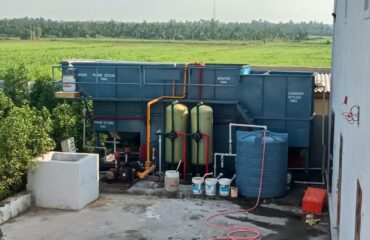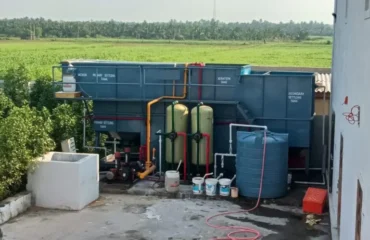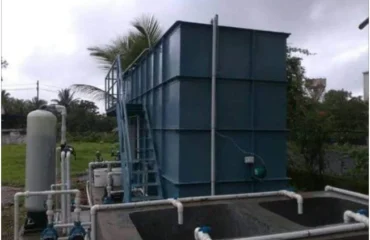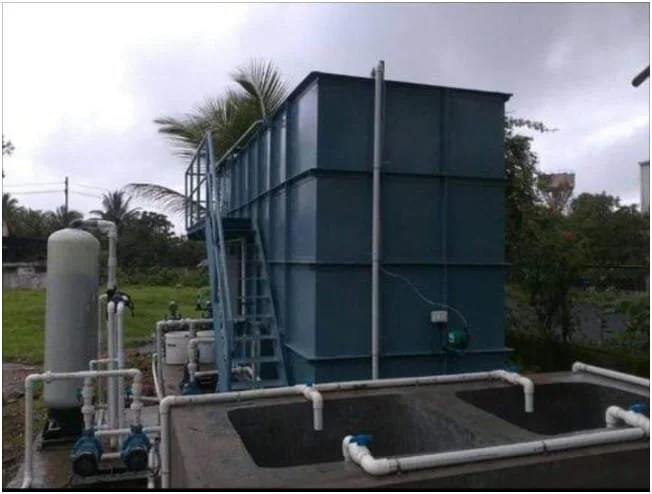
In the rapidly developing urban landscape of Mohali, sustainable living and environmental responsibility have become paramount. As the city continues to expand, so does the generation of wastewater, posing significant challenges to public health and ecological balance. This is where the critical role of Sewage Water Treatment Plant (STP) manufacturers in Mohali comes into sharp focus. A robust and efficient sewage treatment plant is not just an infrastructure requirement; it’s a commitment to a healthier, greener future for the community.
The Imperative Need for Sewage Treatment Plants in Mohali
Mohali, a vibrant city in Punjab, is witnessing unprecedented growth in residential, commercial, and industrial sectors. This growth, while indicative of progress, also leads to an increased volume of domestic and industrial wastewater. Untreated sewage, if discharged directly into water bodies or land, can have devastating consequences:
- Environmental Pollution: Contamination of rivers, lakes, and groundwater sources.
- Public Health Risks: Spread of waterborne diseases due to pathogens in untreated water.
- Ecological Damage: Harm to aquatic life and disruption of local ecosystems.
- Non-Compliance: Violation of stringent environmental regulations set by government bodies.
Therefore, investing in advanced Sewage treatment plant solutions is no longer an option but a necessity. Companies that excel as Water Treatment Plant manufacturers in Mohali play a pivotal role in providing these essential services, ensuring that the city’s wastewater is treated to permissible standards before disposal or reuse.
Understanding a Sewage Treatment Plant (STP)
A Sewage Treatment Plant (STP) is a facility designed to remove contaminants from wastewater and household sewage, producing an effluent that is suitable for discharge to the natural environment or for reuse. The treatment process typically involves physical, chemical, and biological steps to eliminate solid waste, organic matter, and harmful bacteria.
Key Stages of Sewage Treatment:
- Preliminary Treatment: Removal of large solids like rags, plastics, and grit using screens and grit chambers.
- Primary Treatment: Sedimentation of suspended solids in large tanks, separating sludge from the wastewater.
- Secondary Treatment: Biological processes where microorganisms consume organic pollutants. This is often the heart of the treatment process.
- Tertiary Treatment (Advanced Treatment): Further purification using filtration, disinfection (chlorination, UV, ozonation), or other advanced methods to achieve higher water quality for specific reuse purposes.
- Sludge Treatment: Management and disposal of the solid waste (sludge) generated during the treatment process.
Reputable STP Plant manufacturers offer customized solutions tailored to the specific needs and volume of wastewater generated, ensuring optimal performance and compliance.
Finding the Right STP Plant Manufacturer in Mohali and India
When seeking a reliable STP plant manufacturer in Mohali, or indeed a prominent Stp plant manufacturer in India, several factors must be considered. The market is saturated with options, making it crucial to identify partners who offer quality, innovation, and unwavering support.
What to Look for in STP Plant Manufacturers:
- Experience and Expertise: A proven track record in designing, installing, and maintaining STPs for various capacities and applications.
- Technological Innovation: Manufacturers who employ state-of-the-art technologies like MBBR (Moving Bed Biofilm Reactor), MBR (Membrane Bioreactor), SBR (Sequencing Batch Reactor), and activated sludge processes for higher efficiency and lower operational costs.
- Customization Capabilities: The ability to design plants that precisely meet the unique requirements of your project, whether it’s for a residential complex, commercial building, or industrial facility.
- Compliance and Certifications: Adherence to national and international environmental standards and possessing relevant certifications.
- After-Sales Service and Support: Comprehensive maintenance, operational training, and readily available spare parts are crucial for the long-term efficiency of the plant.
- Energy Efficiency: Focus on designs that minimize power consumption, reducing operational expenses and environmental footprint.
- Cost-Effectiveness: While initial investment is important, consider the total cost of ownership, including operational and maintenance costs.
Many clients search for “STP Plant manufacturers near me” or “Top 10 STP manufacturers in India” to find local expertise and industry leaders. It’s essential to conduct thorough research, request case studies, and consult with multiple providers to make an informed decision.
Leading Technologies Offered by Water Treatment Plant Manufacturers in Mohali
Modern Water Treatment Plant manufacturers in Mohali are at the forefront of adopting and implementing advanced technologies to make sewage treatment more efficient, compact, and environmentally friendly. Here are some of the popular technologies:
Moving Bed Biofilm Reactor (MBBR) Technology:
MBBR is a highly efficient biological treatment process. It uses thousands of polyethylene biofilm carriers operating in the wastewater, providing a large surface area for the growth of microorganisms. This technology is known for its compactness, flexibility, and high treatment efficiency, making it ideal for urban areas with space constraints.
Membrane Bioreactor (MBR) Technology:
MBR combines activated sludge treatment with membrane filtration. It offers superior effluent quality, often suitable for direct reuse, and requires a smaller footprint than conventional systems. MBR systems are gaining popularity due to their ability to produce very high-quality treated water, which can be recycled for non-potable uses like flushing, irrigation, and industrial processes.
Sequencing Batch Reactor (SBR) Technology:
SBR is a fill-and-draw activated sludge system for wastewater treatment. In this system, all the steps of the activated sludge process (aeration, sedimentation, decantation) occur sequentially in a single reactor. SBRs are highly versatile, can handle fluctuating flow rates, and are known for their operational simplicity.
Conventional Activated Sludge Process:
Despite newer technologies, the conventional activated sludge process remains a widely used and effective method for biological wastewater treatment. It involves aerating wastewater in a tank to promote the growth of microorganisms that consume organic matter, followed by sedimentation to separate the sludge.
Choosing the right technology depends on factors such as the volume and characteristics of wastewater, desired effluent quality, available space, and budget. An experienced STP plant manufacturer in India will guide you through this selection process, ensuring the most suitable and cost-effective solution.
Benefits of Installing a Modern Sewage Treatment Plant
The installation of a modern Sewage treatment plant brings a multitude of benefits, extending beyond mere compliance to fostering sustainable development and improved quality of life.
- Environmental Protection: Significantly reduces the discharge of pollutants into natural water bodies, safeguarding aquatic ecosystems and biodiversity.
- Public Health Improvement: Eliminates pathogens and harmful substances from wastewater, reducing the incidence of waterborne diseases.
- Water Conservation and Reuse: Treated wastewater can be safely reused for various non-potable purposes such as irrigation, industrial cooling, toilet flushing, and groundwater recharge, thereby conserving freshwater resources.
- Resource Recovery: Modern STPs can recover valuable resources, including biogas (from anaerobic digestion) for energy generation and nutrient-rich sludge for agricultural soil conditioning.
- Regulatory Compliance: Ensures adherence to strict environmental regulations and avoid penalties associated with non-compliance.
- Enhanced Property Value: For residential and commercial developments, a well-managed STP adds value by promoting sustainable living and meeting modern environmental standards.
- Sustainable Development: Contributes directly to the United Nations Sustainable Development Goal 6 (Clean Water and Sanitation) and SDG 11 (Sustainable Cities and Communities).
These benefits underscore why finding a leading Water Treatment Plant manufacturer in Mohali is a critical decision for any organization or community committed to responsible environmental stewardship.
Choosing Your STP Partner: More Than Just a Manufacturer
Selecting an STP plant manufacturer is akin to choosing a long-term partner for environmental management. It’s not just about purchasing equipment; it’s about securing a reliable system that operates efficiently for years to come. Here are some final tips for those in Mohali and across India looking for the best solutions:
- Site Assessment: A good manufacturer will conduct a thorough site assessment to understand specific conditions and constraints.
- Pilot Projects/References: Ask for references or visit sites where the manufacturer has installed similar plants.
- Transparent Pricing: Ensure detailed cost breakdowns, including installation, commissioning, and potential operational costs.
- Training and Handover: Comprehensive training for your operational staff is vital for the smooth running of the plant.
Whether you’re looking for an STP plant manufacturer in Mohali for a new project or seeking to upgrade an existing facility, the emphasis should always be on quality, reliability, and sustainable performance. The search for “STP Plant manufacturers near me” will undoubtedly lead to various options, but discerning clients will prioritize those with a strong reputation for excellence and commitment to environmental innovation.
Conclusion
The role of efficient Sewage Water Treatment Plants and their expert manufacturers is indispensable for Mohali’s sustainable future. By investing in state-of-the-art wastewater treatment solutions from reputable Water Treatment Plant manufacturers in Mohali and across India, we can collectively ensure cleaner water, healthier communities, and a thriving ecosystem. Make an informed choice and partner with an industry leader to achieve your environmental goals.
Frequently Asked Questions (FAQs)
What is a Sewage Treatment Plant (STP) and why is it important for Mohali?
A Sewage Treatment Plant (STP) is a facility that removes contaminants from wastewater, producing treated water suitable for discharge or reuse. It is crucial for Mohali to prevent environmental pollution, protect public health from waterborne diseases, conserve freshwater resources through reuse, and ensure compliance with environmental regulations amidst rapid urban growth.
How do I choose the best Water Treatment Plant manufacturer in Mohali?
When selecting an STP manufacturer in Mohali, look for experience and expertise, technological innovation (e.g., MBBR, MBR, SBR), customization capabilities, adherence to environmental compliance and certifications, strong after-sales service, energy-efficient designs, and cost-effectiveness over the plant’s lifecycle. Always ask for references and conduct thorough research.
What are the common technologies used by STP plant manufacturers in India?
Leading STP plant manufacturers in India utilize various technologies, including the Moving Bed Biofilm Reactor (MBBR), Membrane Bioreactor (MBR), Sequencing Batch Reactor (SBR), and the conventional Activated Sludge Process. The choice of technology depends on factors like wastewater volume, desired effluent quality, available space, and budget.
Can treated sewage water be reused, and what are its benefits?
Yes, treated sewage water from a modern STP can be safely reused for non-potable purposes such as irrigation, industrial cooling, toilet flushing, and groundwater recharge. Benefits include significant freshwater conservation, reduced reliance on municipal water supplies, lower operational costs for water, and reduced environmental impact.
What are the long-term benefits of installing an STP for a residential complex or industry?
For residential complexes and industries, installing an STP offers long-term benefits such as environmental protection, improved public health for residents/workers, compliance with regulatory standards, potential cost savings from water reuse, enhanced property value, and a significant contribution to sustainable development goals.
Related Articles and Resources
- Discover more about industrial water treatment solutions.
- Explore advanced wastewater recycling systems for various applications.