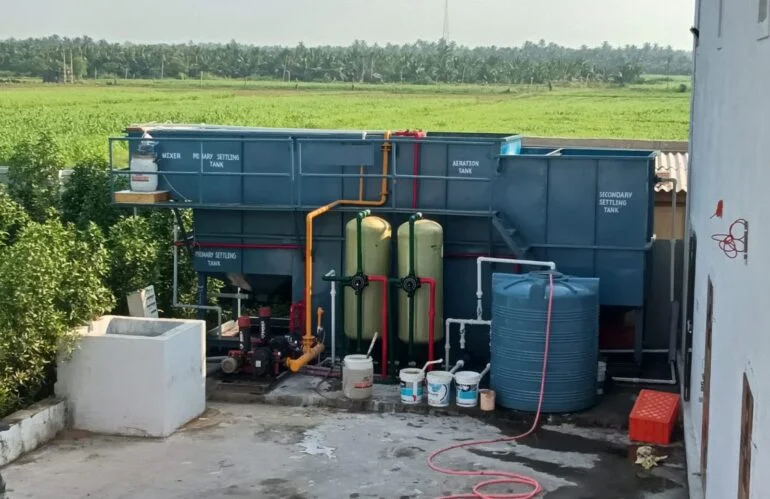
Ongole, a rapidly developing city in Andhra Pradesh, stands at the cusp of significant industrial and urban growth. With this progress comes an undeniable challenge: managing wastewater effectively. The demand for robust and efficient sewage treatment solutions is skyrocketing, making the role of Water Treatment Plant manufacturers in Ongole more critical than ever. This comprehensive guide explores everything you need to know about sewage water treatment plants (STPs), their importance, the technologies involved, and how to choose the right partner for your treatment needs.
The Critical Need for Water Treatment in Ongole
Ongole’s burgeoning population and expanding industrial landscape are placing immense pressure on its natural resources, particularly water. Untreated sewage poses severe risks to public health, pollutes local water bodies, and degrades the environment. Implementing advanced sewage treatment processes is not just an environmental mandate but a foundational pillar for sustainable urban development.
- Public Health Protection: Untreated wastewater is a breeding ground for pathogens, leading to waterborne diseases. Effective treatment safeguards the community’s health.
- Environmental Preservation: Preventing the discharge of pollutants into rivers and groundwater protects aquatic ecosystems and biodiversity.
- Resource Recovery: Treated water can be reused for non-potable purposes like irrigation, industrial cooling, and even groundwater recharge, alleviating water scarcity.
- Regulatory Compliance: Strict environmental laws necessitate proper wastewater management to avoid hefty penalties and legal complications.
Reliable Water Treatment Plant manufacturers in Ongole play a pivotal role in designing, installing, and maintaining the infrastructure required to meet these challenges head-on.
Understanding Sewage Treatment Plants (STPs): A Necessity for Sustainable Urbanization
A Sewage treatment plant (STP) is a facility designed to remove contaminants from wastewater and household sewage, producing an effluent that is suitable for discharge to the natural environment or for reuse. The treatment process typically involves physical, chemical, and biological methods to remove solids, organic matter, nutrients, and pathogens.
Why are Sewage Treatment Plants Vital?
The importance of STPs extends beyond mere compliance. They are central to a city’s ecological and economic well-being:
- Prevents Water Pollution: By removing harmful substances, STPs prevent the contamination of rivers, lakes, and oceans.
- Reduces Odor and Health Hazards: Properly treated sewage significantly reduces foul odors and eliminates sources of disease transmission.
- Supports Biodiversity: Cleaner water bodies foster healthier aquatic life and ecosystems.
- Facilitates Water Recycling: Treated wastewater can be a valuable alternative water source, crucial in water-stressed regions like many parts of India.
Choosing an experienced STP Plant manufacturer ensures that the installed system is efficient, compliant, and tailored to the specific needs of the community or industry.
Key Technologies in Modern STPs: Choosing the Right `STP Plant Manufacturer`
Modern STP Plant manufacturers utilize a variety of technologies, each with its own advantages and ideal applications. Understanding these can help you make an informed decision when selecting a system.
Activated Sludge Process (ASP)
The Activated Sludge Process is one of the most common biological wastewater treatment methods. It involves aerating wastewater in a tank where microorganisms break down organic pollutants. The treated water is then separated from the activated sludge, which is recirculated.
- Advantages: Well-established, effective for high organic loads, relatively low operating costs for large-scale plants.
- Considerations: Requires a large footprint, can be sensitive to toxic shocks, generates significant sludge.
Sequential Batch Reactor (SBR)
SBR systems operate in a batch mode, meaning all steps of the treatment process (fill, react, settle, draw, idle) occur sequentially in a single tank. This offers greater flexibility and control.
- Advantages: Compact footprint, high effluent quality, flexible operation, good for variable flows.
- Considerations: Requires precise control, intermittent operation may lead to operational challenges if not managed well.
Moving Bed Biofilm Reactor (MBBR)
MBBR technology utilizes thousands of small plastic carriers within the aeration tank, which provide a protected surface for biofilm growth. Microorganisms on these carriers consume organic matter, enhancing treatment efficiency.
- Advantages: Compact, robust, high efficiency for organic removal and nitrification, less sensitive to shock loads.
- Considerations: Carrier cost, potential for carrier loss if screens are not properly maintained.
Membrane Bioreactor (MBR)
MBR combines the activated sludge process with membrane filtration (microfiltration or ultrafiltration) to separate solids from the treated water. This produces exceptionally high-quality effluent.
- Advantages: Superior effluent quality, smaller footprint, good for water reuse applications.
- Considerations: Higher capital and operating costs (especially membrane replacement), requires skilled operation.
A reputable stp plant manufacturer will assess your specific needs, influent characteristics, and desired effluent quality to recommend the most suitable technology.
Finding the Best `STP Plant Manufacturers` in Ongole and India: What to Look For
When seeking a Water Treatment Plant manufacturer in Ongole, or more broadly, an Stp plant manufacturer in india, several factors must be considered to ensure you partner with a reliable and capable provider.
- Experience and Expertise: Look for STP Plant manufacturers with a proven track record in designing, installing, and commissioning similar projects. Their experience indicates a deep understanding of varied wastewater challenges.
- Technological Innovation: A forward-thinking manufacturer invests in research and development, offering advanced and energy-efficient solutions.
- Customization Capability: Every wastewater stream is unique. A good manufacturer should be able to offer bespoke solutions tailored to your specific flow rates, pollutant loads, and space constraints.
- Compliance and Certifications: Ensure the manufacturer adheres to national and international environmental standards. Look for ISO certifications and compliance with local pollution control board norms.
- After-Sales Service and Support: This is crucial. A reliable STP plant Manufacturers near me should provide comprehensive operational training, maintenance services, spare parts availability, and prompt technical support. This ensures the longevity and optimal performance of your plant.
- References and Case Studies: Ask for client testimonials or visit existing installations to assess their work quality and client satisfaction.
Advantages of Partnering with `Top 10 STP Manufacturers in India`: Global Standards, Local Solutions
Collaborating with leading Water Treatment Plant manufacturers in Ongole, especially those recognized among the Top 10 STP manufacturers in India, offers numerous benefits:
- Quality Assurance: Top manufacturers adhere to stringent quality control measures, ensuring robust and durable plant construction using high-grade materials.
- Cost-Effectiveness in the Long Run: While initial investment might seem higher, advanced STPs from reputable manufacturers offer lower operational costs, higher efficiency, and minimal downtime, leading to significant savings over the plant’s lifespan.
- Scalability and Future-Proofing: Leading providers design systems that can be upgraded or expanded to meet future demands, accommodating growth in population or industrial output.
- Comprehensive Solutions: From initial consultation and design to installation, commissioning, and ongoing maintenance, top manufacturers offer end-to-end services, simplifying the process for clients.
- Environmental Responsibility: Partnering with a leader ensures your project not only meets but often exceeds environmental regulations, contributing positively to corporate social responsibility.
These manufacturers bring global best practices and innovative solutions right to your doorstep, ensuring Ongole benefits from cutting-edge water treatment technologies. Consider exploring advanced water purification solutions from such experts.
The Process of Installing a `Sewage Treatment Plant`: From Design to Commissioning
The journey from concept to a fully operational Sewage treatment plant involves several critical stages, each requiring meticulous planning and execution.
- Site Assessment and Feasibility Study: Initial evaluation of the site, existing infrastructure, land availability, and discharge norms. This phase determines the overall viability and parameters for the plant.
- Design and Engineering: Based on the assessment, detailed engineering designs are prepared. This includes process design, hydraulic design, civil, mechanical, and electrical drawings, ensuring optimal performance and compliance.
- Fabrication and Civil Work: The manufacturing of plant components (tanks, pipes, machinery) takes place while civil construction for the plant’s foundation, control room, and other structures progresses simultaneously.
- Installation and Erection: All fabricated components are transported to the site and installed according to the design specifications. This phase involves precision and adherence to safety standards.
- Commissioning and Performance Testing: The plant is started up, tested under various operational conditions, and optimized to ensure it meets the guaranteed performance parameters for effluent quality and flow.
- Operation and Maintenance Training: Comprehensive training is provided to the client’s staff on the daily operation, routine maintenance, and troubleshooting of the STP.
Engaging a skilled stp plant manufacturer from the outset ensures a seamless and efficient project delivery.
Maintenance and Operational Excellence for `STP Plant Manufacturers`: Ensuring Longevity and Efficiency
The efficiency and longevity of any Sewage treatment plant heavily depend on consistent and proper operation and maintenance. Leading STP Plant manufacturers emphasize this aspect, often providing annual maintenance contracts (AMCs).
- Routine Checks: Regular monitoring of parameters like pH, dissolved oxygen, flow rates, and sludge levels is crucial.
- Equipment Servicing: Pumps, blowers, clarifiers, and other mechanical components require periodic inspection, lubrication, and servicing to prevent breakdowns.
- Sludge Management: Proper disposal or further treatment of excess sludge is essential for plant efficiency and environmental compliance.
- Chemical Dosing: If chemical treatment is part of the process, accurate dosing and regular replenishment are vital.
- Troubleshooting: Prompt identification and resolution of operational issues, such as foaming, odor, or poor effluent quality, are necessary.
A proactive approach to maintenance, often guided by your STP Plant manufacturers near me, minimizes downtime and ensures the plant consistently produces high-quality treated water.
Environmental Regulations and Compliance: Navigating the Legal Landscape
All Water Treatment Plant manufacturers in Ongole and their clients must operate within a strict framework of environmental regulations. In India, the Central Pollution Control Board (CPCB) and State Pollution Control Boards (SPCBs) set effluent discharge standards that must be met. Non-compliance can lead to hefty fines, legal action, and reputational damage.
- Consent to Establish & Operate: Obtaining necessary consents from the SPCB before starting construction and operation is mandatory.
- Effluent Discharge Standards: Adhering to prescribed limits for parameters like BOD, COD, TSS, pH, and coliform count.
- Regular Monitoring & Reporting: Continuous monitoring of effluent quality and submitting reports to regulatory bodies.
Choosing a manufacturer well-versed in these regulations ensures your plant is designed and operated to meet or exceed all statutory requirements. Furthermore, efficient wastewater management contributes significantly to efforts in industrial wastewater treatment across various sectors.
Conclusion: Towards a Greener Ongole with Advanced Water Treatment
The importance of effective sewage water treatment in Ongole cannot be overstated. As the city progresses, so too must its commitment to environmental sustainability and public health. Partnering with a leading Water Treatment Plant manufacturer in Ongole is not merely an investment in infrastructure; it’s an investment in the future well-being of the community and its ecosystem.
Whether for municipal projects, industrial complexes, or commercial establishments, selecting a knowledgeable and experienced STP Plant manufacturer is paramount. By embracing advanced wastewater treatment technologies and fostering strong partnerships, Ongole can pave the way for a cleaner, healthier, and more sustainable future. Ensure you choose a partner that offers comprehensive services, from cutting-edge design to reliable after-sales support, guaranteeing long-term efficiency and compliance.
Frequently Asked Questions about Sewage Treatment Plants (FAQs)
1. What is the typical lifespan of a sewage treatment plant?
With proper design, installation, and regular maintenance, a well-built sewage treatment plant can have an operational lifespan of 15 to 25 years or even more for its civil structures. Mechanical and electrical components may require replacement or refurbishment every 5-10 years, depending on their quality and operational stress.
2. How often does an STP require maintenance?
Maintenance frequency varies based on the plant’s size, technology, and usage. However, daily operational checks are recommended, weekly or monthly minor servicing, and quarterly or annual comprehensive maintenance. Most STP Plant manufacturers offer annual maintenance contracts (AMCs) to ensure optimal performance and longevity.
3. Can treated sewage water be reused?
Yes, absolutely. Properly treated sewage water (effluent) from an advanced Sewage treatment plant can be safely reused for various non-potable applications. This includes irrigation for landscaping and agriculture, industrial cooling, toilet flushing, and even groundwater recharge, significantly reducing the demand for fresh water resources.
4. What factors influence the cost of an STP?
The cost of a sewage treatment plant depends on several factors: the capacity (flow rate in KLD/MLD), the influent wastewater characteristics, the desired effluent quality, the chosen treatment technology (e.g., SBR, MBBR, MBR), the site conditions, and the level of automation. A custom quotation from a reliable stp plant manufacturer is always recommended after a detailed assessment.
5. How do I choose the right STP Plant Manufacturer in Ongole?
To choose the right STP Plant Manufacturer in Ongole, consider their experience, range of technologies offered, customization capabilities, adherence to environmental regulations, quality of after-sales service, and client references. Look for manufacturers that prioritize long-term efficiency and provide comprehensive support. Focusing on Top 10 STP manufacturers in India can also guide you towards reputable choices.