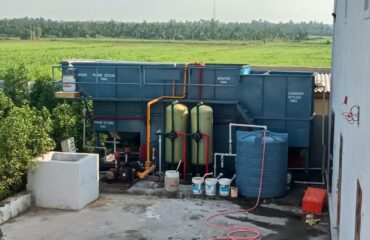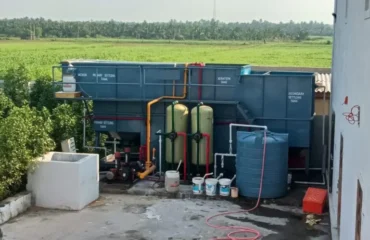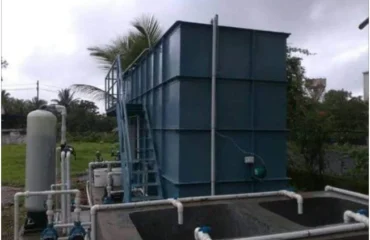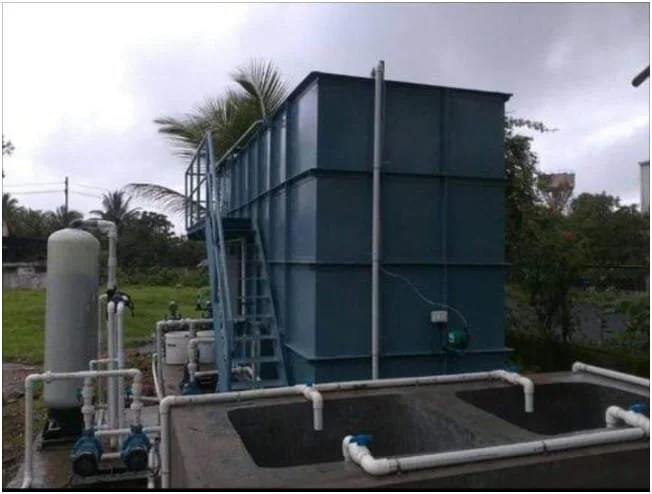
Indore, the cleanest city in India, is a beacon of urban development and environmental consciousness. As the city continues its rapid expansion, the demand for sustainable infrastructure, particularly in waste management, becomes increasingly critical. At the heart of this challenge lies the crucial need for effective sewage water treatment. This is where the expertise of leading Water Treatment Plant manufacturers in Indore plays an indispensable role, ensuring that the city’s growth doesn’t come at the cost of its environmental integrity. Discover leading Water Treatment Plant manufacturers in Indore for efficient sewage treatment. Learn about types, benefits, and how to choose the best STP plant manufacturer in India.
The Growing Need for Sewage Water Treatment in Indore
Indore’s population boom and industrial growth put immense pressure on its natural resources and existing infrastructure. Untreated sewage can cause severe water pollution, contaminating precious water bodies, posing significant health risks, and degrading the urban environment. Investing in advanced sewage treatment plant solutions is not just a regulatory requirement but a fundamental step towards preserving Indore’s clean city status and securing a healthier future for its residents. Manufacturers specializing in water treatment solutions are therefore vital partners in this endeavor, contributing to the city’s sustainable future.
Why Sewage Treatment is Crucial for Indore’s Future
Effective sewage treatment offers multifaceted benefits crucial for a city like Indore, ensuring environmental sustainability and public well-being:
- Environmental Protection: Prevents pollution of rivers, lakes, and groundwater, safeguarding aquatic ecosystems and biodiversity.
- Public Health: Reduces the spread of waterborne diseases, improving the overall health and well-being of the community and preventing epidemics.
- Water Conservation: Treated wastewater can be safely used for water reuse in non-potable purposes like irrigation, industrial cooling, and toilet flushing, easing the burden on fresh water resources and promoting circular economy.
- Regulatory Compliance: Adherence to stringent environmental norms set by local and national authorities, avoiding penalties and fostering responsible industrial practices.
- Sustainable Development: Supports Indore’s vision of becoming a truly smart and sustainable city, balancing economic growth with ecological preservation.
Understanding STP Plants: How They Work
A sewage treatment plant (STP) is a facility designed to remove contaminants from wastewater and household sewage, producing an effluent that is suitable for discharge to the environment or for reuse. The process typically involves several comprehensive stages to ensure thorough purification:
- Preliminary Treatment: This initial stage focuses on removing large solids like rags, plastics, sticks, and grit through screening and grit removal chambers, protecting downstream equipment.
- Primary Treatment: Here, wastewater flows into large settling tanks where heavier organic and inorganic solids settle down under gravity, forming primary sludge.
- Secondary Treatment: This is a biological process where microorganisms are utilized to break down dissolved and suspended organic matter. Common technologies include the Activated Sludge Process, Moving Bed Biofilm Reactor (MBBR), and Sequential Batch Reactor (SBR), chosen based on efficiency and space constraints.
- Tertiary Treatment: Advanced purification steps such as filtration (sand, activated carbon), disinfection (chlorination, UV), and nutrient removal (nitrogen, phosphorus) are employed to achieve high-quality effluent, often suitable for various reuse applications.
The efficiency and effectiveness of these plants largely depend on the robust technology and precise engineering expertise provided by specialized STP Plant manufacturers.
Types of STP Plants for Various Needs
Leading STP plant manufacturers offer a diverse range of technologies, each optimized for specific wastewater characteristics, flow rates, and effluent quality requirements:
- Activated Sludge Process (ASP): A conventional and widely used biological treatment method, known for its proven performance and scalability.
- Moving Bed Biofilm Reactor (MBBR):: Highly compact and efficient, MBBR systems are suitable for limited space applications and offer significant flexibility.
- Sequential Batch Reactor (SBR): This system operates in batches, combining aeration, sedimentation, and decantation in a single tank, providing high treatment efficiency and operational flexibility.
- Membrane Bioreactor (MBR): Combining activated sludge with advanced membrane filtration, MBR systems deliver superior effluent quality, making them ideal for stringent discharge standards and direct water reuse applications.
- Upflow Anaerobic Sludge Blanket (UASB): Primarily used for industrial wastewater with high organic loads, UASB systems generate biogas as a byproduct, offering an energy-efficient treatment solution.
The selection of the right technology depends on factors such as wastewater characteristics, required effluent quality, available space, and budget. An experienced stp plant manufacturer can guide clients through this complex selection process, ensuring an optimal and cost-effective solution.
Choosing the Right Water Treatment Plant Manufacturer in Indore
When seeking reliable Water Treatment Plant manufacturers in Indore, several critical factors should influence your decision to ensure you invest in a solution that is efficient, compliant, and durable. A meticulous selection process is key to long-term success:
- Experience and Expertise: Look for manufacturers with a proven track record in designing, installing, and commissioning a variety of STP projects across different sectors.
- Technological Prowess: A good stp plant manufacturer should offer advanced and innovative treatment technologies that are energy-efficient and tailored to specific needs.
- Customization Capabilities: Every project has unique requirements in terms of capacity, space, and effluent quality. The ability to customize solutions is a significant advantage.
- Quality of Components: Ensure that the plant uses high-quality, corrosion-resistant, and durable components for longevity, minimal maintenance, and reliable operation.
- Compliance and Certifications: Verify that the manufacturer adheres to all national and international environmental standards (e.g., CPCB norms) and holds necessary certifications.
- After-Sales Service: Prompt and efficient maintenance, operational support, troubleshooting, and spare parts availability are crucial for the long-term performance and uptime of the plant.
- Project Management: Evaluate their ability to manage projects from conceptualization and design to manufacturing, installation, and commissioning within stipulated timelines and budgets.
For those searching for “STP plant Manufacturers near me” in the Indore region, it’s essential to evaluate local providers based on these comprehensive criteria to ensure a wise investment.
Top Qualities of Leading STP Plant Manufacturers in India
The best Stp plant manufacturer in India will exhibit certain key qualities that set them apart in a competitive market, demonstrating a commitment to excellence and sustainability:
- Innovation: Continuously researching and implementing new technologies to improve efficiency, reduce energy consumption, and minimize environmental impact.
- Sustainability Focus: Designing plants that prioritize resource recovery, minimize waste generation, and maximize water recycling and reuse.
- Robust R&D: Investing significantly in research and development to offer cutting-edge, future-proof solutions and stay ahead of evolving environmental challenges.
- Comprehensive Solutions: Providing end-to-end services, from initial consultation and detailed design to manufacturing, installation, successful commissioning, and ongoing operation and maintenance.
- Strong Client Portfolio: A diverse and impressive portfolio of successful projects across different sectors, including municipal, residential, commercial, and various industrial applications.
- Transparency: Clear and honest communication regarding project timelines, costs, performance guarantees, and potential challenges, fostering client trust.
While compiling a “Top 10 STP manufacturers in India” list might be subjective and ever-changing, focusing on these fundamental qualities will help you identify a truly exceptional and reliable partner for your wastewater treatment needs.
Benefits of Investing in a Modern Sewage Treatment Plant
Installing an efficient sewage treatment plant is a strategic and responsible investment that yields numerous environmental, economic, and social advantages:
- Environmental Stewardship: Significantly reduces the ecological footprint of your operations or property by preventing the discharge of pollutants into natural water bodies.
- Resource Recovery: Facilitates the reuse of treated water for various purposes, reducing dependence on dwindling fresh water sources and promoting a circular water economy.
- Cost Savings: Lower operational costs in the long run due to efficient design, reduced fresh water consumption, and potential for energy recovery (e.g., biogas from anaerobic digestion).
- Enhanced Public Image: Demonstrates a strong commitment to environmental responsibility and corporate social responsibility, enhancing your brand reputation and community relations.
- Increased Property Value: For real estate developments, a self-sufficient and eco-friendly waste management system adds significant market value and appeal to conscious buyers.
- Compliance Assurance: Ensures adherence to increasingly strict environmental regulations, avoiding legal issues and penalties.
Services Offered by Water Treatment Plant Manufacturers
Reputable Water Treatment Plant manufacturers in Indore typically offer a full spectrum of services designed to provide complete customer satisfaction and optimal plant performance:
- Consultation & Feasibility Studies: Thoroughly assessing your specific wastewater characteristics, regulatory requirements, and operational needs to recommend the most suitable treatment solution.
- Design & Engineering: Developing customized plant designs that are not only compliant with all regulatory standards but also optimized for efficiency, cost-effectiveness, and ease of operation.
- Manufacturing & Fabrication: Producing high-quality, durable components and systems using advanced fabrication techniques and robust materials.
- Installation & Commissioning: Ensuring proper setup, integration, and startup of the plant, followed by rigorous testing to confirm performance.
- Operation & Maintenance (O&M): Providing ongoing support, preventive maintenance, troubleshooting, and operator training to ensure optimal long-term performance and longevity of the plant.
- Upgrades & Retrofits: Enhancing existing plants to meet new requirements, improve efficiency, increase capacity, or incorporate newer technologies.
The Future of Water Treatment in Indore
The future of water treatment in Indore is geared towards greater efficiency, automation, and sustainability. Manufacturers are increasingly integrating cutting-edge technologies such as IoT-enabled monitoring for real-time data, AI-driven process optimization for predictive maintenance and operational efficiency, and advanced membrane technologies to further refine treatment processes. This will enable even higher rates of water recovery and reuse, contributing to a more water-secure and environmentally resilient Indore. This forward-thinking approach is crucial for maintaining Indore’s leadership in urban cleanliness and sustainability.
Conclusion: Partnering for a Cleaner Indore
The commitment to effective sewage water treatment is paramount for Indore’s continued success as a clean and green city. By choosing an experienced and reliable Water Treatment Plant manufacturers in Indore, businesses, industries, and residential complexes can contribute significantly to this vision. Investing in state-of-the-art STP plants is not just about regulatory compliance; it’s about making a tangible impact on environmental health, public well-being, and the sustainable future of Indore. Make a responsible choice today for a cleaner tomorrow, partnering with experts who understand the unique needs of the region.
Frequently Asked Questions (FAQs)
Q: Why is sewage treatment important for Indore?
A: Sewage treatment is crucial for Indore to prevent water pollution, safeguard public health, comply with environmental regulations, and enable water reuse, thus supporting the city’s sustainable growth and maintaining its clean city status.
Q: What are the common types of STP plants available from manufacturers in India?
A: Common types include Activated Sludge Process (ASP), Moving Bed Biofilm Reactor (MBBR), Sequential Batch Reactor (SBR), Membrane Bioreactor (MBR), and Upflow Anaerobic Sludge Blanket (UASB), each suited for different applications and scales.
Q: How do I choose the best Water Treatment Plant manufacturer in Indore?
A: When choosing, consider factors like their experience, technological expertise, customization capabilities, quality of components, compliance with standards, and robust after-sales service. Look for manufacturers with a strong local presence and proven track record.
Q: Can treated sewage water be reused?
A: Yes, treated sewage water (effluent) from an advanced STP plant can be safely reused for non-potable purposes such as irrigation, industrial cooling, toilet flushing, and gardening, significantly reducing the demand for fresh water.
Q: What services do STP Plant manufacturers offer?
A: Reputable STP plant manufacturers offer end-to-end services including consultation, feasibility studies, design and engineering, manufacturing, installation, commissioning, ongoing operation and maintenance, and upgrades/retrofits for existing plants.