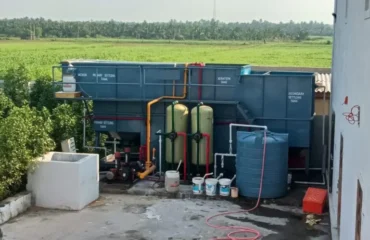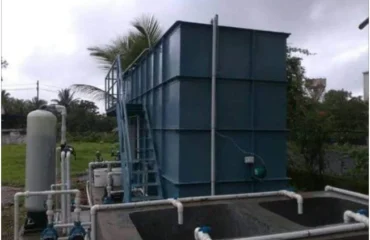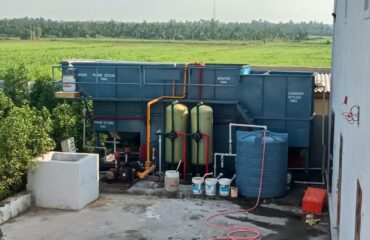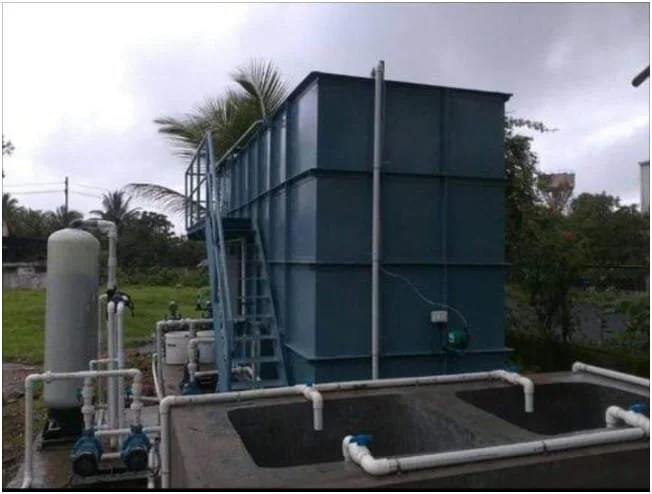
Introduction to Sewage Water Treatment Plants
Sewage water treatment plants play a crucial role in managing wastewater efficiently, ensuring the environmental safety and sustainability of urban and rural areas alike. Tiruchengode, a thriving industrial town, has seen a growing demand for reliable and effective water treatment solutions.
What is a Sewage Water Treatment Plant?
A sewage water treatment plant (STP) is a facility designed to treat wastewater from domestic, industrial or commercial sources. This treatment process removes contaminants, making the water safe for discharge or reuse. With increasing urbanization in Tiruchengode, the need for advanced sewage treatment plants is more critical than ever.
Top Water Treatment Plant Manufacturers in Tiruchengode
Choosing the right water treatment plant manufacturer in Tiruchengode is essential for ensuring the quality, efficiency, and durability of the STP system. Here are the key factors to consider:
- Experience: Look for manufacturers with a proven track record in sewage treatment technology.
- Technology: Advanced and eco-friendly treatment methods that comply with government standards.
- Customization: Ability to tailor solutions based on the size and type of wastewater.
- Maintenance Support: Post-installation support to ensure smooth operation.
Leading STP Plant Manufacturers in India
India hosts several top-notch manufacturers specializing in STP solutions. Many manufacturers operating in Tiruchengode also collaborate with these industry leaders to integrate the latest innovations in sewage treatment.
Benefits of Installing an STP Plant
- Environmental Protection: STPs reduce pollution by treating harmful sewage effectively.
- Water Reuse: Treated water can be reused for irrigation, industrial processes, and flushing, reducing freshwater consumption.
- Regulatory Compliance: Meets government regulations on wastewater discharge.
- Health Safety: Minimizes exposure to diseases caused by untreated sewage.
Popular Technologies Used in Sewage Treatment Plants
- Activated Sludge Process (ASP)
- Membrane Bioreactors (MBR)
- Sequencing Batch Reactors (SBR)
- Trickling Filters
- Rotating Biological Contactors (RBC)
Why Choose a Local STP Plant Manufacturer in Tiruchengode?
Opting for an STP plant manufacturer near you offers several advantages such as timely support, easier project management, and on-site consultations. Local manufacturers understand the specific municipal and environmental criteria in Tiruchengode, ensuring compliance and efficiency.
Maintenance and Operational Tips for STP Plants
Proper maintenance is vital for the long-term performance of sewage treatment plants. Some maintenance tips include:
- Regular inspection of mechanical and electrical components.
- Routine cleaning of screens and filters.
- Monitoring sludge levels and timely sludge removal.
- Ensuring proper aeration and microbial activity.
- Keeping detailed maintenance records.
Future of Sewage Treatment in Tiruchengode
With increasing industrial growth and urbanization, Tiruchengode is expected to adopt smarter and more sustainable sewage treatment technologies. Innovations such as AI-driven monitoring systems and green energy integration are paving the way for eco-friendly water management.
Conclusion
Investing in a high-quality sewage water treatment plant from reputed water treatment plant manufacturers in Tiruchengode is imperative for sustainable development and environmental preservation. Whether you are looking for a small-scale STP plant manufacturer or one of the top 10 STP manufacturers in India, selecting the right partner ensures efficient sewage management and long-term benefits.
Frequently Asked Questions (FAQs)
- Q1: What is the typical lifespan of an STP plant?
A1: With proper maintenance, an STP plant can function effectively for 15-20 years or more.
- Q2: Are locally manufactured STP plants cost-effective?
A2: Yes, manufacturers in Tiruchengode often offer competitive pricing and customized solutions tailored to local conditions.
- Q3: What approvals should I check for in an STP plant?
A3: Look for certifications from environmental authorities and compliance with Central Pollution Control Board (CPCB) guidelines.
- Q4: Can the treated water be reused for drinking?
A4: Typically, treated sewage water is reused for non-potable purposes like irrigation, industrial use, or flushing, not for drinking.
- Q5: How often should an STP plant be serviced?
A5: Regular servicing every 6 months to a year is recommended depending on usage and manufacturer guidelines.