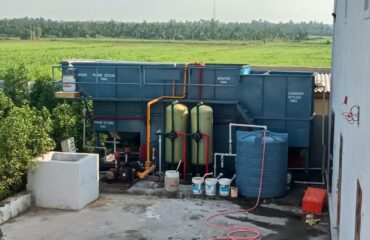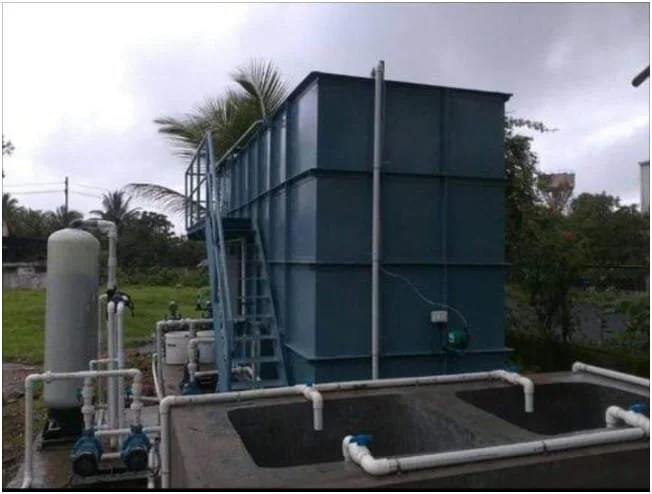
Introduction to Sewage Water Treatment Plants in Tinsukia
Sewage water treatment plants have become a necessity in today’s rapidly growing urban and industrial sectors. Tinsukia, being an important industrial hub in Assam, India, requires efficient solutions to manage wastewater and promote environmental sustainability. This blog explores the key aspects of sewage water treatment plants in Tinsukia, focusing on prominent Water Treatment Plant manufacturers in Tinsukia and how they are transforming wastewater management.
Understanding Sewage Water Treatment Plants (STP)
A Sewage Water Treatment Plant (STP) is a facility designed to process and treat sewage and wastewater to remove contaminants, making the water safe for reuse or discharge into the environment. This treatment plays an essential role in pollution control, conserving water resources, and protecting public health.
Key Components of an STP
- Preliminary Treatment: Removal of large solids and debris.
- Primary Treatment: Sedimentation tanks to settle suspended solids.
- Secondary Treatment: Biological treatment using bacteria to decompose organic matter.
- Tertiary Treatment: Advanced treatment to remove nutrients and pathogens.
- Sludge Management: Handling and processing of solid waste byproducts.
Importance of STP Plants in Tinsukia
Tinsukia faces industrial wastewater challenges from sectors like tea processing, oil, and chemical industries. Effective sewage water treatment in the region helps:
- Maintain ecological balance in water bodies by preventing contamination.
- Reduce health hazards related to untreated wastewater.
- Promote sustainable water reuse in agriculture and industry.
- Comply with environmental regulations and standards.
Top Water Treatment Plant Manufacturers in Tinsukia
Choosing the right STP plant manufacturer is crucial for reliable and efficient sewage treatment. Here are some insights into what to look for when selecting a manufacturer in Tinsukia:
- Experience and Reputation: Leading manufacturers have years of experience managing various sewage treatment applications.
- Technological Expertise: Latest treatment technologies and automated processes enhance efficiency.
- Customization: Capability to design and deliver tailored solutions for different industrial or municipal needs.
- Compliance: Adherence to national environmental standards and certifications.
- After-sales Service: Timely maintenance and support for long-term plant performance.
STP Plant Manufacturer in India: Broader Perspective
India hosts a diverse range of STP Plant manufacturers known for innovation and quality. Many manufacturers in Tinsukia collaborate with top-tier companies or follow industry benchmarks established by the Top 10 STP manufacturers in India. This ensures advanced engineering and reliable product delivery at competitive prices.
Benefits of Choosing Local STP Plant Manufacturers Near Me
- Quick Response Time: Faster installation and maintenance services due to geographic proximity.
- Cost Efficiency: Reduction in logistics and transportation costs.
- Customized Solutions: Manufacturers understand local water quality and pollution challenges better.
How to Select the Best Sewage Treatment Plant in Tinsukia
Selecting the right plant demands careful consideration of multiple factors:
- Assessment of Wastewater Source: Industrial, municipal, or mixed wastewater types affect plant design.
- Capacity Requirements: Daily sewage volume and future scalability.
- Technology Type: Conventional activated sludge, MBBR, SBR, or other technologies.
- Energy Efficiency: Plants with low power consumption reduce operational costs.
- Environmental Compliance: Ensure treatment meets Central Pollution Control Board (CPCB) norms.
Benefits of Investing in Sewage Treatment Plants
Implementation of STPs brings significant benefits to municipalities and industries:
- Improved water quality and reduced water pollution.
- Recycling and reuse of treated water reducing dependence on freshwater.
- Enhanced community health and sanitation.
- Promotion of sustainable industrial practices.
Maintenance and Lifecycle of Sewage Treatment Plants
Regular maintenance ensures sustained performance and longevity of STP plants. Key practices include:
- Routine inspection of mechanical and electrical components.
- Cleaning and desludging of tanks and chambers periodically.
- Monitoring treatment parameters and making adjustments.
- Timely replacement of consumables like filters and membranes.
Conclusion
Tinsukia’s pursuit of sustainable wastewater management hinges on partnering with trusted Water Treatment Plant manufacturers in Tinsukia. Selecting the right STP with robust technology and expert support is vital to safeguard the environment, promote public health, and comply with regulatory standards. Investing in effective sewage treatment plants is an investment in Tinsukia’s ecological and economic future.
FAQs
- What is the cost range of sewage treatment plants in Tinsukia?
Costs vary based on capacity, technology, and customization. Consulting local manufacturers can provide specific quotes. - How long does installation usually take?
Installation can range from a few weeks to several months depending on plant size and complexity. - Are there government subsidies for STP installation?
Yes, various central and state government schemes may provide financial assistance. - Can industrial wastewater be treated efficiently in Tinsukia?
Yes, manufacturers offer tailored solutions for industrial wastewater treatment complying with environmental norms. - What is the lifespan of an STP plant?
With proper maintenance, an STP plant can typically operate efficiently for 15-20 years or more.