The Critical Need for Water Treatment in Seohara
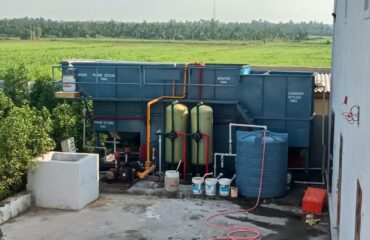
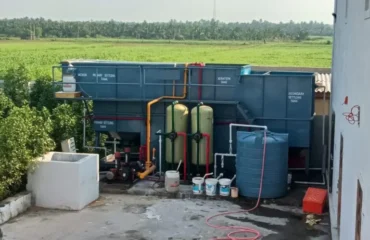
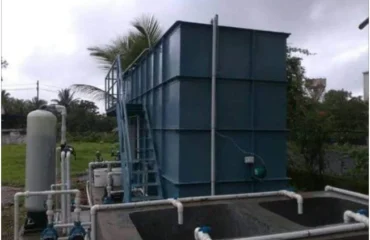
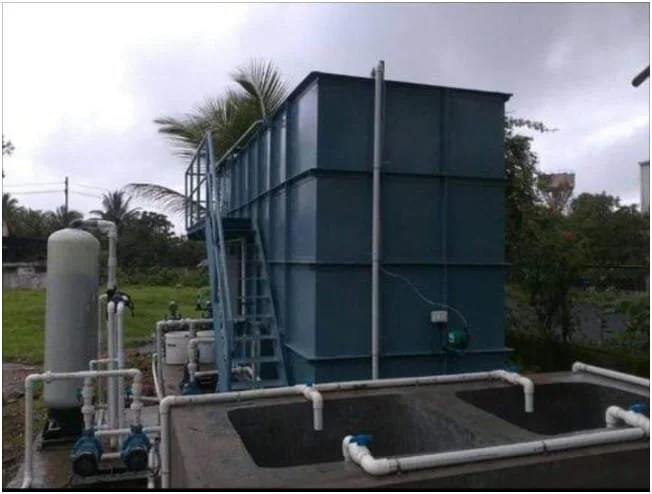
Seohara, a burgeoning town, faces the dual challenge of rapid urbanization and the escalating demand for potable water. As populations grow and industries expand, the generation of wastewater also increases, putting immense pressure on natural water resources. This critical situation underscores the undeniable importance of robust wastewater management systems, particularly the installation and efficient operation of Sewage Treatment Plants (STPs). For residents, businesses, and industries in the region, identifying reliable Water Treatment Plant manufacturers in Seohara is no longer a luxury but a fundamental necessity for sustainable development and public health.
Investing in a high-quality STP ensures that wastewater is treated to safe discharge standards, preventing pollution of local rivers and groundwater. This not only protects ecosystems but also safeguards community health from waterborne diseases. The search for a competent stp plant manufacturer becomes paramount in this context, as expertise and adherence to environmental norms are crucial for long-term success.
Understanding Sewage Treatment Plants (STPs)
A Sewage Treatment Plant (STP) is a facility designed to remove contaminants from wastewater and household sewage, producing an effluent that is suitable for discharge to the environment or for reuse. The primary goal is to protect public health and the environment from the harmful effects of untreated sewage. STPs employ various physical, chemical, and biological processes to achieve this purification.
The treatment process typically involves several stages:
- Primary Treatment: This stage involves physical processes like screening and sedimentation to remove large solids and settlable organic matter.
- Secondary Treatment: Biological processes are used here to remove dissolved and suspended biological matter. This often involves aeration tanks where microorganisms consume organic pollutants.
- Tertiary Treatment: This advanced stage further purifies the water to meet specific discharge standards, often involving filtration, disinfection (using chlorine, UV, or ozone), and nutrient removal.
Each stage plays a vital role in ensuring the treated water is safe. The effectiveness of these stages heavily depends on the design and operational efficiency provided by an experienced STP Plant manufacturer in India, who understands the nuances of local wastewater characteristics and regulatory requirements.
The Role of an STP Plant Manufacturer in India
In a diverse country like India, the demand for effective sewage treatment solutions varies significantly across regions and applications. An accomplished stp plant manufacturer in India brings invaluable expertise to the table, offering tailored solutions that address specific challenges. These manufacturers are responsible for:
- Design and Engineering: Developing custom STP designs that meet the unique flow rates and pollutant loads of different projects, be it for a residential complex, an industrial facility, or a municipal corporation.
- Manufacturing and Fabrication: Producing robust and durable plant components using high-quality materials and advanced manufacturing techniques.
- Installation and Commissioning: Ensuring the correct and efficient setup of the plant, followed by rigorous testing to guarantee optimal performance.
- Maintenance and Support: Providing essential after-sales services, including routine maintenance, troubleshooting, and spare parts supply, to ensure the plant’s longevity and continuous operation.
Choosing an STP Plant manufacturer with a proven track record ensures not just a functional plant, but a sustainable solution that adheres to all environmental guidelines and delivers consistent performance.
Choosing the Right STP Plant Manufacturer in Seohara
When you’re looking for STP Plant manufacturers near me in Seohara, several factors should guide your decision to ensure you invest in a solution that’s both effective and reliable. The right manufacturer will not only provide a plant but also offer a partnership in sustainable water management.
- Experience and Expertise: Look for manufacturers with extensive experience in designing and installing STPs for similar capacities and applications. Their portfolio should demonstrate successful projects.
- Technology and Innovation: A forward-thinking manufacturer will utilize advanced technologies (like MBBR, SBR, MBR) that offer higher efficiency, lower energy consumption, and reduced sludge production.
- Customization Capabilities: Wastewater characteristics differ. The manufacturer should be able to design a plant that specifically treats your wastewater profile, rather than offering a one-size-fits-all solution.
- Regulatory Compliance: Ensure the manufacturer is well-versed with local environmental regulations and standards (e.g., CPCB norms) to guarantee your plant operates legally and responsibly.
- After-Sales Service and Support: A critical aspect often overlooked. Prompt maintenance, readily available spare parts, and technical support are crucial for the long-term, uninterrupted operation of your STP.
- Cost-Effectiveness: While initial cost is a factor, consider the total cost of ownership, including operational expenses, energy consumption, and maintenance. A slightly higher initial investment in a quality plant can lead to significant savings over its lifespan.
Engaging with local Water Treatment Plant manufacturers in Seohara can offer advantages in terms of quicker response times for service and better understanding of local conditions and regulatory frameworks.
Types of STP Plants Offered by Leading Manufacturers
Modern STP Plant manufacturers offer a variety of technologies, each suited for different scales, wastewater characteristics, and space availability. Understanding these types can help in making an informed decision:
- Activated Sludge Process (ASP): A conventional and widely used method where microorganisms are suspended in wastewater and aerated to break down organic matter. It’s effective for large municipal applications.
- Moving Bed Biofilm Reactor (MBBR): This technology uses small plastic carriers within the aeration tank to provide a surface for biofilm growth, enhancing treatment efficiency in a compact footprint. It’s excellent for retrofitting existing plants or for new installations with space constraints.
- Sequencing Batch Reactor (SBR): SBRs operate in a batch mode within a single tank, performing all treatment steps sequentially. They offer flexibility in operation and are suitable for varying flow rates and smaller applications.
- Membrane Bioreactor (MBR): Combining the activated sludge process with membrane filtration, MBR technology produces exceptionally high-quality effluent, suitable for direct reuse. While it has a higher initial cost, its efficiency and effluent quality are superior.
- Extended Aeration: A variation of the activated sludge process designed for smaller flows, offering longer aeration times and simpler operation.
Leading manufacturers like those striving to be among the Top 10 STP manufacturers in India often specialize in several of these technologies, providing customized solutions based on the client’s specific requirements and budget.
Benefits of Investing in a High-Quality Sewage Treatment Plant
The installation of a state-of-the-art Sewage treatment plant brings a multitude of benefits, extending beyond mere compliance to fostering environmental sustainability and economic advantages.
- Environmental Protection: The most significant benefit is the reduction of water pollution. Treated effluent meets stringent discharge standards, preventing contamination of rivers, lakes, and groundwater, thereby protecting aquatic ecosystems and biodiversity.
- Public Health Safety: By removing pathogens and harmful substances, STPs eliminate the risk of waterborne diseases, ensuring a healthier community.
- Water Conservation and Reuse: High-quality treated sewage water can be safely reused for non-potable purposes such as irrigation, industrial cooling, toilet flushing, and groundwater recharge. This reduces the demand on fresh water sources, a crucial aspect in water-stressed regions like many parts of India. What Makes a Top STP Manufacturer Stand Out?
Beyond simply manufacturing plants, truly leading STP Plant manufacturers distinguish themselves through a combination of qualities that ensure client satisfaction and environmental efficacy.
- Holistic Approach: They don’t just sell a product; they provide a complete solution, from initial consultation and site assessment to design, installation, training, and ongoing support.
- Innovation and R&D: A top manufacturer continuously invests in research and development to incorporate the latest advancements in wastewater treatment technology, aiming for higher efficiency, lower energy consumption, and reduced operational costs.
- Robust Quality Control: Strict quality checks at every stage of manufacturing and installation ensure the plant’s reliability, durability, and compliance with international standards.
- Client-Centric Service: Understanding specific client needs and providing responsive, effective after-sales service is a hallmark of excellence. This includes readily available spare parts and skilled technicians.
- Environmental Stewardship: A genuine commitment to environmental protection, reflected in their product designs and operational philosophies.
- Scalability and Adaptability: The ability to design plants that can be upgraded or adapted to future changes in flow rates or discharge standards.
While the designation of “Top 10 STP manufacturers in India” might change, the underlying principles of quality, innovation, and customer commitment remain constant identifiers of excellence.
The Future of Sewage Treatment in Seohara
The future of wastewater management in Seohara, like much of India, hinges on adopting sustainable and advanced technologies. As environmental norms become stricter and water scarcity intensifies, the role of efficient and technologically superior Sewage treatment plant installations will only grow.
Expect to see a greater emphasis on:
- Decentralized Treatment: Smaller, modular STPs for individual communities or industrial units, reducing the need for extensive sewage networks.
- Resource Recovery: Beyond just treating water, plants will increasingly focus on recovering valuable resources like nutrients (nitrogen, phosphorus) and biogas from sludge.
- Smart STPs: Integration of IoT and AI for real-time monitoring, predictive maintenance, and optimized operation, leading to higher efficiency and lower human intervention.
- Circular Economy Principles: Promoting the reuse of treated wastewater for various purposes, thereby closing the water loop and reducing reliance on fresh water sources.
Local Water Treatment Plant manufacturers in Seohara will be at the forefront of implementing these innovations, helping the region achieve its sustainable development goals.
Ensuring Sustainable Water Management with a Reliable STP Plant Manufacturer
The journey towards effective wastewater management begins with selecting the right partner. For any entity in Seohara looking to install or upgrade a Sewage treatment plant, the choice of manufacturer will dictate the success and sustainability of the project. A reputable manufacturer brings not just machinery, but a comprehensive understanding of environmental science, engineering, and local regulatory landscapes.
They provide peace of mind, knowing that your wastewater is being handled responsibly, efficiently, and in compliance with all standards. From initial consultation to ongoing support, a strong partnership with a leading Water Treatment Plant manufacturers in Seohara ensures a healthier environment and a more sustainable future for the community.
Conclusion
Effective sewage treatment is a cornerstone of urban sustainability, public health, and environmental protection in Seohara. By understanding the critical role of STPs and the importance of choosing a proficient Water Treatment Plant manufacturers in Seohara, individuals and organizations can make informed decisions that contribute to a cleaner, healthier environment. Prioritizing experience, advanced technology, and comprehensive support ensures that your investment in a Sewage treatment plant yields lasting benefits for years to come. Don’t compromise on quality when it comes to safeguarding our most precious resource.