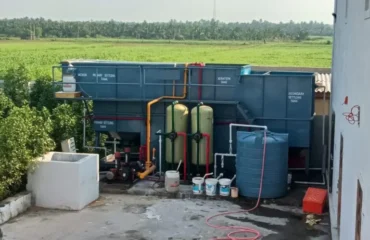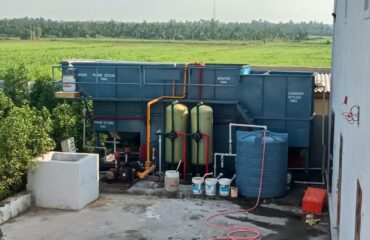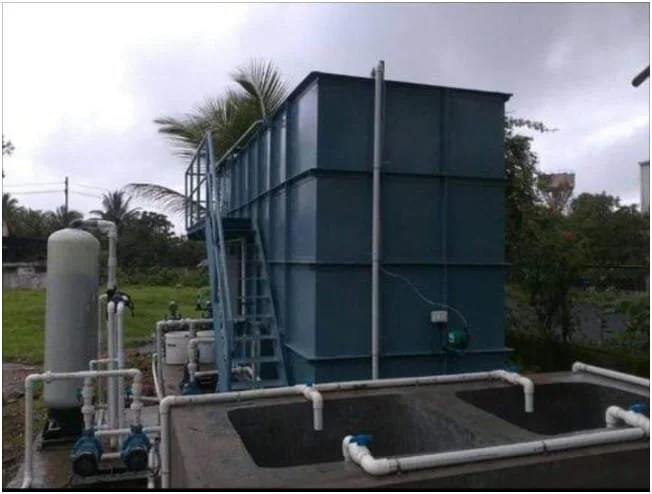
Introduction to Sewage Water Treatment Plants
Sewage Water Treatment Plants (STPs) play a crucial role in sustainable urban and rural development by treating wastewater before it is released back into the environment. In Ratangarh and surrounding regions, the demand for efficient Water Treatment Plant manufacturers in Ratangarh has significantly increased due to rising population and industrial activity.
Understanding STP Plants and Their Importance
An STP or Sewage Treatment Plant is a facility designed to treat sewage and wastewater to make it safe for reuse or safe discharge into the environment. These plants remove contaminants and harmful microorganisms from the water through physical, chemical, and biological processes.
Types of Sewage Treatment Plants
- Primary Treatment: Removal of large particles and sedimentation.
- Secondary Treatment: Biological treatment to degrade organic matter.
- Tertiary Treatment: Advanced treatment to remove nutrients and other pollutants.
Top STP Plant Manufacturers in Ratangarh
When selecting an STP plant manufacturer, quality, customization, compliance with environmental standards, and after-sales service are key factors. Ratangarh hosts some of the most reputed companies specializing in sewage treatment plants.
- Expertise: Use of advanced technology for efficient wastewater treatment.
- Customization: Plants designed to meet the specific needs of industries or municipal bodies.
- Compliance: Adherence to the latest environmental norms and regulations.
- Support: Reliable installation, maintenance, and customer support.
STP Plant Manufacturer in India: National Perspective
India’s water treatment sector is rapidly evolving with a growing list of STP plant manufacturers offering innovative and cost-effective solutions. The country’s focus on sustainable water management has propelled companies to develop plants that cater to various industries and municipal requirements.
Leading Features by Indian STP Manufacturers
- Compact and modular designs.
- Energy-efficient technologies.
- Integration of smart monitoring systems.
- Wide capacity range from small-scale to large industrial plants.
Choosing the Right STP Manufacturer Near You
Searching for STP plant manufacturers near me? Here are key considerations to help you pick the right partner:
- Proximity for easy service and maintenance.
- Track record with projects similar to your scale and industry.
- Certifications and compliance credentials.
- Customer testimonials and case studies.
- Post-installation support and warranty terms.
Why Invest in a Quality Sewage Treatment Plant?
Investing in a reliable sewage treatment plant ensures:
- Reduction in environmental pollution.
- Compliance with government regulations on wastewater discharge.
- Conservation of water through treated wastewater reuse.
- Improved public health and hygiene.
- Cost savings in long-term water management.
Emerging Trends in Sewage Treatment Technology
- Automation & IoT Integration: Smart sensors and automation have enhanced monitoring and efficiency of STPs.
- Membrane Bioreactors (MBR): Compact, advanced filtration for higher quality effluent.
- Energy Recovery Systems: Use of biogas and renewable energy to power plants.
- Decentralized Plants: Small-scale plants supporting localized waste treatment.
Conclusion
In conclusion, finding dependable Water Treatment Plant manufacturers in Ratangarh is essential for sustainable water management and environmental protection. By partnering with reputed STP Plant manufacturers, industries, municipalities, and communities in Ratangarh can ensure efficient and eco-friendly sewage treatment solutions.
Frequently Asked Questions (FAQs)
- What is the typical lifespan of an STP?
With proper maintenance, a Sewage Treatment Plant can last 15-20 years or more. - How much space does an STP require?
The space depends on treatment capacity and technology, but modular designs can reduce footprint. - Are STPs cost-effective for small communities?
Yes, especially with decentralized and modular plants designed for smaller populations. - What kind of maintenance is required for STPs?
Regular inspections, cleaning, and periodic servicing of mechanical parts and biological systems. - Can treated water from STPs be reused?
Yes, treated water can be reused for irrigation, industrial processes, and in some cases, potable use after further treatment.