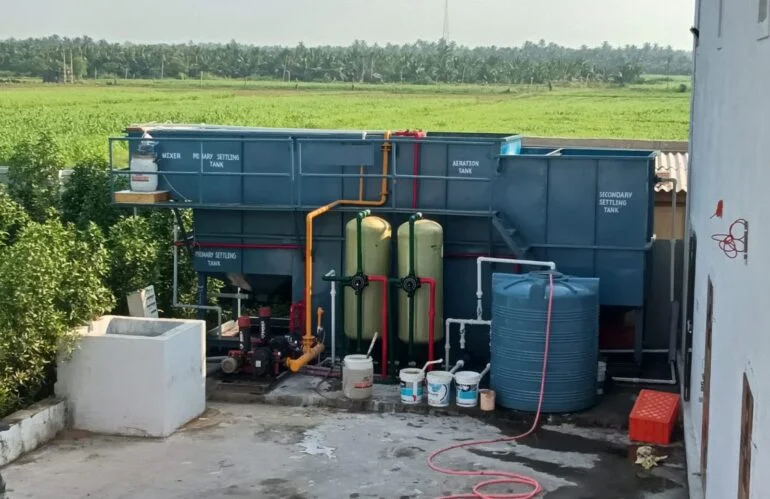
Mangalagiri, a rapidly developing urban hub in Andhra Pradesh, faces the quintessential challenge of managing its growing urban footprint – a significant aspect of which is wastewater treatment. As the population swells and industrial activities expand, the demand for robust and efficient sewage water treatment plants (STPs) becomes not just an environmental imperative but also a public health necessity. This comprehensive guide delves into the critical role of Water Treatment Plant manufacturers in Mangalagiri, exploring how their expertise is pivotal in safeguarding the region’s ecological balance and public well-being.
The Imperative of Sewage Treatment in Mangalagiri
Untreated sewage poses severe threats, contaminating water bodies, spreading waterborne diseases, and degrading the environment. For a city like Mangalagiri, situated near vital water sources and experiencing rapid urbanization, effective sewage management is paramount. Investing in advanced sewage treatment plant technology ensures:
- Environmental Protection: Preventing pollution of local rivers, lakes, and groundwater.
- Public Health Safety: Reducing the incidence of diseases like cholera, typhoid, and dysentery.
- Resource Conservation: Enabling the reuse of treated water for non-potable purposes, thereby easing the pressure on fresh water resources.
- Regulatory Compliance: Adhering to strict environmental norms set by the Central Pollution Control Board (CPCB) and state authorities.
Understanding the STP Plant and Its Operations
A Sewage Treatment Plant (STP) is a facility designed to remove contaminants from wastewater and household sewage, producing an effluent that is suitable for discharge to the natural environment or for reuse. The process typically involves several stages:
Primary Treatment:
This initial stage involves physical separation of large solids and inorganic materials. Wastewater passes through screens to remove rags, plastics, and other debris, followed by grit chambers where sand, gravel, and heavier particles settle out. Sedimentation tanks then allow organic solids (sludge) to settle, and lighter materials (scum) to float, both of which are removed.
Secondary Treatment:
Biological processes are at the heart of secondary treatment. Microorganisms consume the dissolved and suspended organic matter in the wastewater. Common methods include activated sludge systems, trickling filters, and rotating biological contactors (RBCs). These processes significantly reduce the biochemical oxygen demand (BOD) and total suspended solids (TSS).
Tertiary Treatment (Advanced Treatment):
Depending on the desired effluent quality and its intended use, further treatment steps may be implemented. These can include:
- Filtration: Using sand filters or membrane filtration (e.g., Ultrafiltration, Reverse Osmosis) to remove finer suspended solids and pathogens.
- Disinfection: Employing chlorine, UV radiation, or ozone to kill remaining bacteria and viruses.
- Nutrient Removal: Specific processes to remove nitrogen and phosphorus, which can cause eutrophication in receiving water bodies.
The choice of technology for an STP plant manufacturer in Mangalagiri will depend on various factors such as incoming wastewater characteristics, desired effluent quality, land availability, and operational costs.
Choosing the Right Water Treatment Plant Manufacturers in Mangalagiri
Selecting a reliable and experienced STP plant manufacturer is crucial for the success and longevity of your sewage treatment project. Here are key factors to consider:
Experience and Expertise:
Look for manufacturers with a proven track record in designing, engineering, and installing STP plants. Their experience with diverse wastewater types and plant capacities is invaluable.
Technology and Innovation:
A reputable manufacturer stays updated with the latest advancements in sewage treatment technology. They should offer solutions like:
- MBR (Membrane Bioreactor) Plants: Known for producing high-quality effluent and having a smaller footprint.
- SBR (Sequencing Batch Reactor) Plants: Flexible and efficient for varying flow rates and organic loads.
- MBBR (Moving Bed Biofilm Reactor) Plants: Compact and highly efficient biological treatment.
Discuss which technology best suits your specific needs in Mangalagiri, considering space constraints, operational complexity, and discharge standards.
Customization and Scalability:
Every project has unique requirements. A good STP plant manufacturer in India should be able to offer customized solutions rather than one-size-fits-all approaches. The plant should also be scalable to accommodate future growth and increased wastewater volumes.
Compliance and Certification:
Ensure the manufacturer adheres to all relevant national and local environmental regulations. Certifications like ISO 9001 (Quality Management) and ISO 14001 (Environmental Management) are indicators of a committed and responsible supplier.
After-Sales Service and Support:
An STP plant requires regular maintenance and occasional troubleshooting. Evaluate the manufacturer’s commitment to after-sales service, including:
- Supply of spare parts.
- Technical support and operational training.
- Annual Maintenance Contracts (AMCs).
Cost-Effectiveness and ROI:
While the initial investment is significant, consider the overall lifecycle cost, including energy consumption, chemical usage, and maintenance. A well-designed, efficient plant offers a better return on investment over time.
Top Considerations for STP Plant Manufacturers Near Me (in India)
While focusing on Mangalagiri, it’s beneficial to understand what distinguishes top 10 STP manufacturers in India generally. They often possess:
- Extensive R&D capabilities.
- Pan-India presence and service network.
- Ability to handle large-scale municipal and industrial projects.
- Strong focus on sustainable and eco-friendly solutions.
- Reputation for reliability and long-lasting installations.
When searching for “STP Plant manufacturers near me” in Mangalagiri, prioritize companies that combine these national-level strengths with local understanding and responsiveness.
The Benefits of Partnering with a Leading Sewage Treatment Plant Provider
Engaging with a leading sewage treatment plant provider brings a multitude of advantages beyond just technical expertise:
- Enhanced Efficiency: State-of-the-art plants operate with higher efficiency, leading to lower energy consumption and better treatment outcomes.
- Reduced Operational Costs: Modern designs often incorporate automation and energy-saving features, reducing the need for constant manual intervention and cutting utility bills.
- Compliance Assurance: Expert manufacturers ensure your plant meets or exceeds all local and national discharge standards, preventing penalties and legal issues.
- Sustainability and CSR: A well-functioning STP plant demonstrates a commitment to environmental responsibility, enhancing your corporate social responsibility (CSR) profile.
- Water Reuse Opportunities: High-quality treated effluent opens avenues for water reuse in irrigation, industrial processes, or toilet flushing, contributing to water security.
For organizations and municipalities in Mangalagiri, investing in a high-quality sewage treatment plant is an investment in the community’s future and the region’s environmental health.
The Installation and Commissioning Process
The journey from concept to a fully operational STP plant involves several critical phases:
- Site Assessment & Feasibility Study: Analyzing the site conditions, wastewater characteristics, and regulatory requirements.
- Design & Engineering: Developing detailed blueprints, process flow diagrams, and equipment specifications tailored to the project.
- Manufacturing & Procurement: Fabrication of tanks, machinery, and control systems, along with sourcing of specialized components.
- Installation & Construction: On-site assembly of the plant components, civil works, piping, and electrical installations.
- Commissioning & Testing: Starting up the plant, optimizing operational parameters, and conducting rigorous testing to ensure it meets design specifications.
- Training & Handover: Providing comprehensive training to your operational staff on routine operations, maintenance, and troubleshooting.
A proficient STP plant manufacturer will guide you through each of these stages, ensuring a seamless and efficient project execution in Mangalagiri.
Maintaining Your STP Plant for Optimal Performance
Regular maintenance is paramount for the continuous and efficient operation of any sewage treatment plant. Neglecting maintenance can lead to:
- Reduced treatment efficiency, potentially leading to non-compliance.
- Premature wear and tear of equipment.
- Increased operational costs due to breakdowns.
- Unpleasant odors and environmental nuisances.
Leading STP plant manufacturers in Mangalagiri offer comprehensive Annual Maintenance Contracts (AMCs) that include:
- Scheduled inspections and preventive maintenance.
- Calibration of instruments and sensors.
- Sludge management and disposal guidance.
- Emergency breakdown support.
- Performance monitoring and reporting.
Partnering with a service provider who understands the nuances of your specific plant ensures its long-term reliability and cost-effective operation.
Innovations and the Future of Water Treatment in Mangalagiri
The field of wastewater treatment is constantly evolving, driven by the need for greater efficiency, lower environmental impact, and resource recovery. Future trends in Mangalagiri and across India will likely include:
- Smart STPs: Integration of IoT, AI, and machine learning for predictive maintenance, real-time monitoring, and optimized operation.
- Energy Neutral Plants: Designs that incorporate renewable energy sources (like solar) and biogas generation from sludge, aiming for net-zero energy consumption.
- Water-Positive Solutions: Focus on maximizing water recovery and reuse, turning wastewater into a valuable resource.
- Modular and Decentralized Systems: Solutions for smaller communities or specific industrial clusters that are easier to deploy and manage.
Forward-thinking STP plant manufacturers are at the forefront of these innovations, offering cutting-edge solutions that promise a more sustainable future for Mangalagiri’s water resources.
Conclusion
The role of Water Treatment Plant manufacturers in Mangalagiri is indispensable in addressing the city’s growing sewage treatment needs. By choosing an experienced, technologically advanced, and service-oriented STP plant manufacturer, municipalities, industries, and residential complexes can ensure effective wastewater management, contribute to environmental sustainability, and safeguard public health. Investing in a high-quality sewage treatment plant is not merely a regulatory requirement but a proactive step towards a cleaner, healthier, and more sustainable Mangalagiri. Explore leading providers today to secure your region’s water future.
Frequently Asked Questions (FAQs)
Q: What is an STP plant and why is it important for Mangalagiri?
A: An STP (Sewage Treatment Plant) removes contaminants from wastewater, making it safe for discharge or reuse. It’s crucial for Mangalagiri to prevent water pollution, protect public health, conserve resources, and comply with environmental regulations due to rapid urbanization.
Q: What are the main stages of sewage treatment?
A: Sewage treatment typically involves primary treatment (physical removal of large solids), secondary treatment (biological removal of organic matter), and often tertiary treatment (advanced filtration and disinfection) to achieve desired effluent quality.
Q: How should I choose a reliable STP plant manufacturer in Mangalagiri?
A: Consider their experience, expertise in various technologies (MBR, SBR), ability to offer customized and scalable solutions, compliance with environmental norms, commitment to after-sales service, and overall cost-effectiveness.
Q: What are the benefits of investing in a quality sewage treatment plant?
A: Benefits include enhanced treatment efficiency, reduced operational costs, guaranteed regulatory compliance, improved corporate social responsibility, and opportunities for water reuse, contributing to sustainable water management.
Q: What kind of after-sales support should I expect from an STP manufacturer?
A: A good manufacturer should offer comprehensive after-sales support including spare parts supply, technical assistance, operational training, Annual Maintenance Contracts (AMCs) for preventive maintenance, and emergency breakdown support.