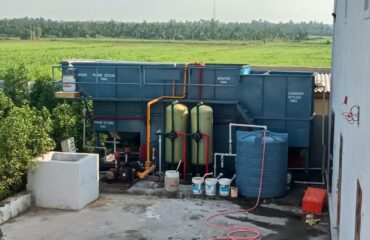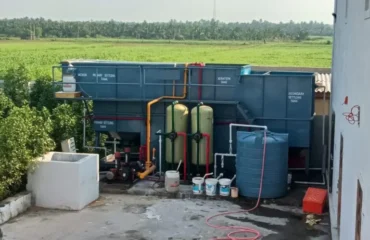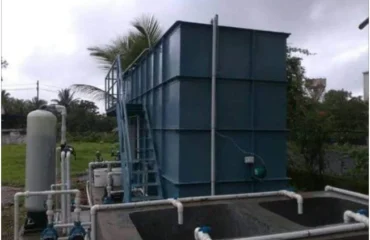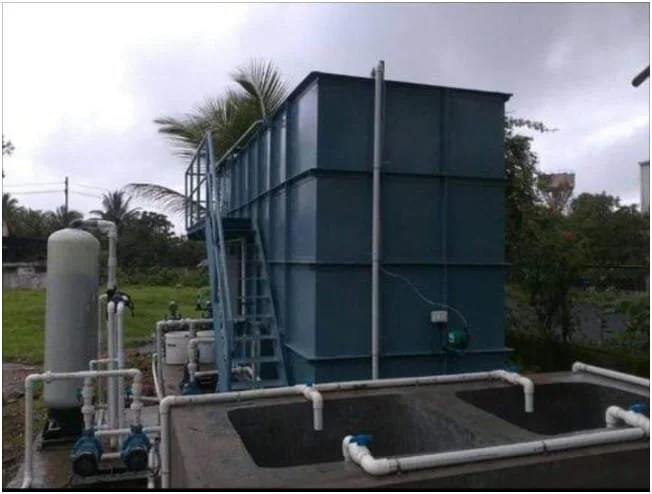
Sewage Water Treatment Plant in Kolkata: Leading Manufacturers for a Sustainable Future
Kolkata, affectionately known as the ‘City of Joy,’ is a bustling metropolis grappling with the dual pressures of rapid urbanisation and industrial expansion. While these developments are vital for economic growth, they invariably lead to an exponential increase in wastewater generation. The responsible management and treatment of this sewage are not merely regulatory mandates; they are foundational pillars for safeguarding public health, preserving the delicate ecological balance of the region, and charting a course towards a truly sustainable future. In this critical endeavour, expert Water Treatment Plant manufacturers in Kolkata emerge as indispensable partners, delivering state-of-the-art solutions for highly efficient and environmentally sound sewage treatment.
For any entity within Kolkata – be it a municipal corporation, a sprawling industrial complex, a prominent commercial establishment, or a large residential development – the strategic investment in a robust Sewage Treatment Plant (STP) is no longer an option but a paramount necessity. These sophisticated plants are meticulously engineered to meticulously remove contaminants from wastewater, thereby yielding an effluent that is not only safe for environmental discharge but often pristine enough for various non-potable reuse applications. The pivotal decision of selecting the most proficient stp plant manufacturer holds immense weight, directly influencing the long-term effectiveness, operational longevity, and economic viability of the entire wastewater treatment system.
The Urgent Need for Advanced Sewage Treatment in Kolkata’s Dynamic Landscape
The discharge of untreated or inadequately treated sewage into Kolkata’s natural waterways, particularly the revered Hooghly River, precipitates a cascade of severe environmental and public health ramifications:
- Aggravated Environmental Degradation: The continuous influx of raw sewage saturates water bodies with organic pollutants, nutrients, and heavy metals. This leads to eutrophication, oxygen depletion, and a drastic decline in biodiversity, severely compromising aquatic ecosystems and the health of the Hooghly, a lifeline for millions.
- Escalating Public Health Risks: Wastewater is a breeding ground for pathogenic bacteria, viruses, and parasites. Its presence in water sources can trigger widespread outbreaks of waterborne diseases such as cholera, typhoid, and dysentery, posing an existential threat to communities reliant on these contaminated waters.
- Critical Resource Depletion: With the escalating global challenge of water scarcity, every drop of treated water represents a valuable resource. Treating and subsequently reusing wastewater for purposes like agricultural irrigation, industrial cooling, landscape maintenance, or toilet flushing significantly alleviates the pressure on finite freshwater reserves, thereby enhancing water security.
- Mandatory Regulatory Compliance: India, and specifically West Bengal, has increasingly stringent environmental regulations governing wastewater discharge quality. Non-compliance is not only met with substantial financial penalties but also severely damages an organisation’s public image and operational licenses.
This escalating environmental urgency has catalysed a surge of innovation and technological advancement among STP Plant manufacturers in India. They are relentlessly developing more efficient, compact, and sustainable treatment methodologies meticulously tailored to address diverse operational scales, varying influent characteristics, and stringent effluent quality requirements. Kolkata, as a major urban hub, stands at the forefront of this environmental renaissance, with local manufacturers providing exemplary and context-specific solutions.
Understanding Sewage Treatment Plants (STPs) and Their Diverse Technologies
At its core, a Sewage Treatment Plant (STP) is a dedicated facility engineered to purify wastewater originating from myriad sources – domestic households, commercial establishments, and various industrial processes. The overarching objective is to meticulously remove pollutants, suspended solids, dissolved organic matter, and harmful microorganisms, ultimately producing an effluent suitable for safe discharge into the environment or for various beneficial reuse applications. Distinguished STP Plant manufacturers offer an impressive array of technologies, each strategically designed to cater to specific capacities, space constraints, and unique wastewater characteristics.
Advanced STP Technologies Provided by Leading Manufacturers:
- Conventional Activated Sludge Process (ASP): This remains a cornerstone of biological treatment. Air is vigorously introduced into the sewage within aeration tanks, fostering the proliferation of aerobic microorganisms. These microbes efficiently consume and break down organic pollutants, clarifying the water. ASP is robust and suitable for large-scale municipal applications but often requires a significant footprint.
- Moving Bed Biofilm Reactor (MBBR): A highly efficient and compact biological treatment method that has gained immense popularity. MBBR systems utilise thousands of small, specially designed polyethylene carriers that are suspended within an aeration tank. These carriers provide an expansive protected surface area for the growth of beneficial biofilm. The result is enhanced biological treatment, allowing for higher volumetric loading rates and a smaller plant footprint, making it a preferred choice for many stp plant manufacturer in India, especially in space-constrained urban areas.
- Sequential Batch Reactor (SBR): Represents an intermittent and highly flexible activated sludge process. In an SBR system, all critical treatment steps – filling, reacting (aeration), settling, and decanting (effluent withdrawal) – occur sequentially within a single tank, albeit in a timed batch mode. SBRs are renowned for their operational flexibility, adaptability to fluctuating flow rates, and their ability to consistently produce a high-quality effluent.
- Membrane Bioreactor (MBR): This cutting-edge technology synergistically combines the conventional activated sludge treatment process with advanced membrane filtration. Submerged or external membranes (microfiltration or ultrafiltration) are used to separate treated water from the mixed liquor, eliminating the need for a secondary clarifier and tertiary filtration. MBR technology consistently delivers superior effluent quality, often suitable for direct reuse applications, and boasts a significantly smaller physical footprint, making it a flagship offering by many Top 10 STP manufacturers in India for demanding applications.
- Upflow Anaerobic Sludge Blanket (UASB): Primarily an anaerobic biological treatment process, UASB reactors are particularly effective for treating industrial wastewater with high concentrations of organic matter. Wastewater flows upwards through a blanket of anaerobic granular sludge, where organic pollutants are converted into biogas. This technology is energy-efficient and generates useful biogas.
The judicious selection of the appropriate STP technology is contingent upon a meticulous assessment of various project-specific factors. These include the influent wastewater quality profile, the stringency of desired effluent discharge standards, the available land area for plant construction, and a detailed analysis of both capital and operational expenditures. Highly experienced Water Treatment Plant manufacturers in Kolkata provide comprehensive consulting and engineering services to meticulously guide clients through this selection process, ensuring the deployment of the most appropriate, cost-effective, and sustainable treatment solution.
Key Benefits of Installing an STP with Leading Manufacturers
Partnering with reputable and experienced Sewage treatment plant providers in Kolkata unlocks a multitude of profound advantages for businesses, institutions, and communities alike:
- Unwavering Environmental Protection: The primary and most significant benefit is the dramatic reduction in the discharge of harmful pollutants, including organic matter, nutrients, and pathogens, into rivers, lakes, and other natural water bodies. This directly safeguards fragile aquatic ecosystems and preserves invaluable biodiversity.
- Enhanced Public Health and Safety: By effectively eliminating disease-causing microorganisms from wastewater, STPs play a pivotal role in preventing the spread of waterborne diseases, thereby protecting the health and well-being of surrounding communities and downstream populations.
- Expansive Water Reuse Opportunities: Treated wastewater, often reaching near-potable quality with advanced systems, can be effectively repurposed for a wide array of non-potable applications. These include irrigation of landscapes and agricultural fields, industrial process water, cooling tower make-up, and toilet flushing, significantly easing the strain on advanced water purification solutions and freshwater sources.
- Assured Compliance with Environmental Regulations: Investing in a compliant STP ensures that your operations meticulously adhere to the stringent environmental discharge norms and legal requirements stipulated by central and state pollution control boards, thereby avoiding costly penalties and legal liabilities.
- Robust Resource Conservation: Through diligent wastewater recycling and reuse, STPs contribute fundamentally to sustainable water management practices. This reduces the overall ecological footprint of an establishment and promotes responsible resource stewardship.
- Potential Long-Term Cost Savings: While the initial investment in an STP is significant, the long-term benefits include potentially reduced water utility bills (due to lower fresh water consumption), avoidance of fines, and enhanced corporate social responsibility (CSR) standing.
Choosing the Right Water Treatment Plant Manufacturers in Kolkata: A Comprehensive Guide
The process of selecting an ideal STP plant manufacturer in India, particularly in a vibrant and geographically diverse region like Kolkata, demands careful consideration of several critical factors to guarantee the success and sustainability of your wastewater treatment project:
- Extensive Experience and Unrivalled Expertise: Prioritise manufacturers with a demonstrable and robust track record in the successful design, meticulous engineering, precise installation, and efficient commissioning of STPs. Seek evidence of projects similar in scale, complexity, and wastewater characteristics to your own.
- Cutting-Edge Technological Prowess: A reputable manufacturer should offer a comprehensive portfolio of advanced, proven, and reliable treatment technologies. Their solutions should be capable of meeting your precise project requirements, adaptable to future regulatory changes, and scalable for potential expansion.
- Exceptional Customisation Capabilities: Recognise that every wastewater treatment project presents unique challenges. The capacity of a manufacturer to meticulously tailor solutions to specific influent wastewater profiles, navigate complex site constraints, and consistently achieve desired effluent quality standards is absolutely paramount.
- Superior After-Sales Service and Sustained Support: The relationship with your manufacturer extends far beyond the initial installation. Robust, responsive, and readily available maintenance services, swift access to genuine spare parts, and expert technical support are absolutely critical for ensuring the continuous, efficient, and long-term optimal performance of your STP.
- Unwavering Compliance and Industry Certifications: Verify that the chosen manufacturer rigorously adheres to all relevant national and international quality management standards (e.g., ISO certifications) and environmental best practices. This ensures the reliability and integrity of their products and services.
- Verifiable Client Testimonials and Strong References: Always request and thoroughly review case studies, client testimonials, and direct references from past projects. This provides invaluable insights into the manufacturer’s reliability, project execution capabilities, and the sustained performance of their installed plants.
For individuals and organisations specifically searching for “STP plant Manufacturers near me” within the Kolkata metropolitan area, focusing on local expertise offers a distinct set of compelling advantages. These include expedited response times for service and support, a nuanced understanding of local environmental regulations and permitting processes, and more readily accessible on-site assistance.
Why Partner with Expert Water Treatment Plant Manufacturers in Kolkata?
Engaging with specialist Water Treatment Plant manufacturers in Kolkata provides a strategic advantage for several compelling reasons:
- Profound Local Insight: Manufacturers based in Kolkata possess an intimate understanding of the region’s specific water quality characteristics, the unique challenges posed by its climate and geography, and the intricate nuances of local environmental regulations set by bodies like the West Bengal Pollution Control Board.
- Prompt and Efficient Service Delivery: Geographical proximity translates directly into faster mobilisation for site surveys, more rapid installation and commissioning processes, and significantly quicker response times for emergency maintenance or routine servicing, thereby minimising potential operational downtime.
- Enhanced Cost-Effectiveness: Local partnerships often result in reduced logistical overheads for equipment transportation, material sourcing, and personnel deployment. This can frequently lead to more competitive pricing structures and overall project cost efficiencies.
- Established Local Network: Reputable Kolkata-based manufacturers typically have well-cultivated relationships with local suppliers, subcontractors, and regulatory bodies. This established network streamlines project execution, facilitates smoother permitting processes, and enhances overall project coordination.
- Climate-Specific Design: Solutions provided by local experts are often intrinsically designed and engineered with Kolkata’s specific climatic conditions in mind, ensuring optimal performance and durability even under challenging local environmental parameters.
Irrespective of your organisational scope – be it a municipal authority striving to enhance public sanitation, a large-scale industrial enterprise committed to environmental stewardship, a burgeoning hospitality venture, or a residential developer aiming for sustainable living – forging a partnership with the appropriate STP plant manufacturer lays the foundational cornerstone for highly effective, compliant, and sustainable wastewater management.
Regulatory Landscape and Compliance for STPs in West Bengal
Operating a Sewage Treatment Plant in Kolkata and across West Bengal necessitates strict adherence to a framework of environmental laws and guidelines. The West Bengal Pollution Control Board (WBPCB) and the Central Pollution Control Board (CPCB) set forth rigorous standards for treated effluent discharge. These standards often specify permissible limits for parameters such as Biological Oxygen Demand (BOD), Chemical Oxygen Demand (COD), Total Suspended Solids (TSS), pH, and faecal coliform. Expert STP Plant manufacturers in India are not just engineers; they are also compliance specialists, ensuring that their designs and implemented systems meet or exceed these regulatory benchmarks. This not only prevents legal complications and penalties but also reinforces an organization’s commitment to environmental responsibility.
Navigating these regulations can be complex, but reliable Water Treatment Plant manufacturers in Kolkata offer invaluable guidance, from initial permitting assistance to ensuring continuous monitoring and reporting capabilities are integrated into the STP design. This holistic approach ensures that your investment not only performs optimally but also remains legally compliant throughout its operational lifespan.
The Future of Water Treatment in Kolkata: Innovation and Sustainability
As Kolkata continues its ambitious trajectory towards becoming a ‘Smart City’ and a beacon of sustainable urban development, the imperative for advanced, energy-efficient, and increasingly automated sewage treatment solutions will only intensify. Visionary Top 10 STP manufacturers in India are consistently pushing the boundaries of innovation, seamlessly integrating cutting-edge technologies such as advanced automation, the Internet of Things (IoT) for real-time monitoring, and Artificial Intelligence (AI) for predictive maintenance and process optimisation. This technological convergence aims to significantly enhance operational efficiency, drastically reduce energy consumption, minimise manual intervention, and improve the overall monitoring and control capabilities of STPs.
The contemporary focus in wastewater treatment is progressively shifting towards achieving Zero Liquid Discharge (ZLD) systems and maximising water reuse. This paradigm shift transforms wastewater from merely an environmental burden into a precious, valuable resource. By embracing a forward-thinking Sewage treatment plant provider, you are not just investing in a technology that is effective today, but one that is inherently adaptable to the unforeseen challenges of tomorrow and responsive to evolving environmental regulations.
Conclusion: Paving the Way for a Cleaner Kolkata
The pivotal role played by Water Treatment Plant manufacturers in Kolkata is more critical than at any preceding juncture in our collective endeavour to foster a healthier, pristine, and truly sustainable urban milieu. By providing an extensive range of state-of-the-art Sewage Treatment Plants and delivering unparalleled expert services, these dedicated manufacturers are unequivocally instrumental in comprehensively tackling the multifaceted wastewater challenges confronting the city. When embarking on the crucial quest for an accomplished STP plant manufacturer, it is imperative to judiciously prioritise factors such as extensive industry experience, robust technological capabilities, bespoke customisation options, and unwavering after-sales support. This meticulous approach ensures the successful implementation and sustained operational excellence of your wastewater management solution.
Invest prudently in responsible and advanced wastewater management solutions today, and actively contribute to the enduring legacy of a cleaner, greener, and healthier Kolkata for generations to come!
Frequently Asked Questions (FAQs)
- What exactly is a Sewage Treatment Plant (STP)?
- An STP is a sophisticated facility specifically designed to treat wastewater originating from various sources like homes, businesses, and industries. Its primary function is to remove harmful pollutants, suspended solids, organic matter, and pathogenic microorganisms, thereby producing an environmentally safe effluent. This treated water can then be safely discharged or repurposed for various uses.
- Why is comprehensive sewage treatment critically important for metropolitan cities like Kolkata?
- For a densely populated and rapidly developing city like Kolkata, robust sewage treatment is absolutely vital to prevent severe contamination of the Hooghly River and other local water bodies. It’s crucial for safeguarding public health from the threat of waterborne diseases, ensuring strict compliance with increasingly stringent environmental regulations, and enabling crucial water reuse initiatives that contribute significantly to regional water security and sustainability.
- What are some of the most common and advanced types of STP technologies available today?
- The spectrum of STP technologies includes the conventional Activated Sludge Process (ASP), the efficient Moving Bed Biofilm Reactor (MBBR), the flexible Sequential Batch Reactor (SBR), and the advanced Membrane Bioreactor (MBR). There’s also the Upflow Anaerobic Sludge Blanket (UASB) primarily for industrial effluents. The selection of technology is carefully made based on factors such as influent quality, desired effluent standards, and site-specific conditions.
- What key criteria should I consider when choosing the best STP plant manufacturer in Kolkata?
- When making this critical decision, look for manufacturers boasting extensive experience, a proven track record, and a wide array of advanced and reliable technologies. Crucial factors include their customisation capabilities, the strength and responsiveness of their after-sales service and support, their adherence to industry quality certifications, and positive client testimonials and references from previous projects.
- What are the primary long-term benefits of installing a modern STP?
- The installation of a modern STP offers numerous long-term benefits, including profound environmental protection (through drastically reduced pollution), significant improvements in public health and safety, abundant opportunities for water reuse and recycling (conserving valuable freshwater resources), assured compliance with all prevailing environmental regulations, and potential long-term operational cost savings due to reduced water consumption and avoidance of penalties.