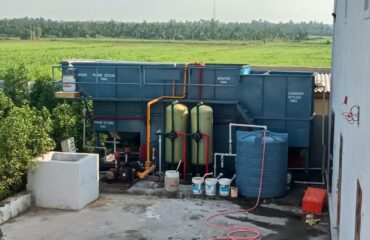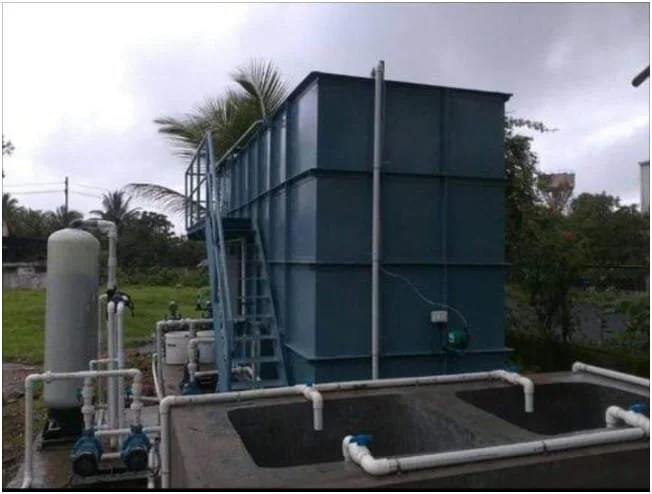
Introduction: Safeguarding Kandla’s Future with Advanced Sewage Treatment
Kandla, a prominent port city in Gujarat, stands as a pivotal hub for trade and industry in India. Its rapid urbanization and industrial expansion bring forth not only economic prosperity but also significant environmental challenges, particularly concerning wastewater management. The proper treatment of sewage water is paramount to preserving Kandla’s delicate ecosystem, protecting public health, and ensuring sustainable growth. This is where the expertise of leading Water Treatment Plant manufacturers in Kandla becomes indispensable.
A modern Sewage Treatment Plant (STP) is not merely an infrastructure project; it’s a commitment to environmental stewardship and a healthier community. This comprehensive guide will delve into the critical role of STPs, the benefits they offer, and most importantly, how to identify and partner with the top STP plant manufacturers in India who can deliver tailored, efficient, and reliable sewage treatment solutions for Kandla and its surrounding regions.
The Growing Need for Sewage Treatment in Kandla
Kandla’s strategic location along the Gulf of Kutch, coupled with the presence of major industries and a growing population, places immense pressure on its natural resources. Untreated or inadequately treated sewage poses a direct threat to:
- Marine Ecosystems: Discharge into the Arabian Sea can severely harm marine life, coral reefs, and coastal biodiversity, impacting fisheries and ecological balance.
- Public Health: Contaminated water sources lead to the spread of waterborne diseases like cholera, typhoid, and dysentery, jeopardizing community health.
- Freshwater Resources: Pollution of groundwater and surface water bodies makes them unsuitable for agriculture, industrial use, or even potable purposes after extensive treatment.
- Economic Impact: Environmental degradation can deter tourism, impact local livelihoods, and incur substantial costs for remedial measures.
Recognizing these challenges, the demand for robust and technologically advanced sewage treatment solutions has surged. Industries, municipalities, residential complexes, and commercial establishments in and around Kandla are actively seeking reliable sewage treatment plant providers to meet stringent environmental regulations and contribute to a greener future.
Understanding Sewage Treatment Plants (STPs)
A Sewage Treatment Plant (STP) is a facility designed to remove contaminants from wastewater and household sewage, producing an effluent that is environmentally safe to discharge or suitable for reuse. The primary goal is to reduce the pollution load before the water is returned to the natural environment.
How an STP Works: A Multi-Stage Process
Modern STPs typically employ a multi-stage treatment process:
- Preliminary Treatment: This initial stage involves screening to remove large solids like rags, plastics, and grit from the raw sewage. This protects downstream equipment from damage and blockages.
- Primary Treatment: Wastewater flows into large tanks, where heavier organic solids settle at the bottom (as primary sludge) and lighter materials (like oils and grease) float to the top, forming scum. These are then removed.
- Secondary (Biological) Treatment: This is the core of the treatment process. Microorganisms (bacteria) are introduced to consume the dissolved and suspended organic matter in the wastewater. Common methods include Activated Sludge Process, Moving Bed Biofilm Reactor (MBBR), Sequential Batch Reactor (SBR), and Membrane Bioreactor (MBR). This significantly reduces the Biological Oxygen Demand (BOD) and Chemical Oxygen Demand (COD).
- Tertiary Treatment (Advanced Treatment): Depending on the desired effluent quality and reuse potential, further treatment stages may be employed. This can include filtration (sand filters, activated carbon filters) for removing fine suspended solids, disinfection (chlorination, UV radiation, ozonation) to kill pathogens, and nutrient removal (nitrogen and phosphorus).
- Sludge Treatment: The sludge generated during primary and secondary treatment is further processed to reduce its volume, stabilize it, and prepare it for safe disposal or beneficial reuse (e.g., as fertilizer).
Benefits of Installing a Modern STP
Investing in a high-quality sewage treatment plant from reputable STP plant manufacturers near me (or serving Kandla) offers a multitude of benefits:
Environmental Protection
The most immediate benefit is the drastic reduction in water pollution. Treated effluent meets discharge standards, preventing contamination of rivers, lakes, and oceans. This safeguards aquatic ecosystems, preserves biodiversity, and maintains the ecological balance of coastal areas like the Gulf of Kutch.
Public Health Safeguard
By effectively removing pathogens, bacteria, and viruses, STPs significantly reduce the risk of waterborne diseases. This leads to improved public health, better sanitation, and a higher quality of life for residents in Kandla and surrounding communities.
Water Conservation & Reuse
Treated sewage water, especially after tertiary treatment, can be safely reused for various non-potable applications. This includes irrigation for landscaping and agriculture, industrial cooling processes, toilet flushing, and groundwater recharge. Water reuse is a crucial strategy for conserving freshwater resources, particularly in water-stressed regions.
Regulatory Compliance
Environmental regulations set by bodies like the Central Pollution Control Board (CPCB) and Gujarat Pollution Control Board (GPCB) mandate proper sewage treatment and discharge norms. Installing an efficient STP ensures compliance with these regulations, avoiding penalties and fostering a responsible corporate or civic image.
Choosing the Right Water Treatment Plant Manufacturer in Kandla
Selecting the ideal Water Treatment Plant manufacturer in Kandla or a company that proficiently serves the region is critical for the long-term success and efficiency of your STP. Here are key factors to consider:
Experience and Expertise
Look for manufacturers with a proven track record in designing, installing, and commissioning STPs of varying capacities and complexities. Experience with similar projects, a strong portfolio, and client testimonials can indicate their reliability and technical prowess. The Top 10 STP manufacturers in India often have extensive experience across diverse sectors.
Technology and Innovation
The field of wastewater treatment is constantly evolving. A good manufacturer should be abreast of the latest technologies (MBBR, SBR, MBR, advanced oxidation processes) and be able to recommend the most suitable and cost-effective solution for your specific needs, considering effluent quality requirements and space constraints.
Customization and Scalability
Every project has unique requirements. A leading STP plant manufacturer should offer customized solutions rather than one-size-fits-all designs. Furthermore, consider if the system can be easily upgraded or expanded in the future to accommodate increased demand without major overhauls.
After-Sales Service and Support
The relationship with a manufacturer doesn’t end after installation. Excellent after-sales service, including operation and maintenance (O&M) support, spare parts availability, troubleshooting, and regular servicing, is crucial for the continuous and efficient functioning of the STP. A local presence or a strong service network in Kandla is a significant advantage.
Certifications and Compliance
Ensure the manufacturer adheres to national and international quality standards (e.g., ISO certifications) and that their designs comply with all relevant environmental regulations and safety standards. This guarantees the reliability and legality of the installed plant.
Key Features of a High-Quality STP Plant
When evaluating offerings from various STP plant manufacturers, pay attention to these essential features that define a high-quality, efficient, and sustainable sewage treatment plant:
Robust Design and Construction
The plant should be built with durable, corrosion-resistant materials capable of withstanding the local environmental conditions in Kandla. A compact and modular design can save valuable space and facilitate easier installation and expansion.
Energy Efficiency
Operating an STP involves significant energy consumption, primarily for pumping and aeration. A well-designed plant incorporates energy-efficient equipment and processes to minimize operational costs and reduce its carbon footprint.
Automation and Monitoring
Advanced STPs feature automated control systems (SCADA) for continuous monitoring, data logging, and remote operation. This ensures optimal performance, reduces manual intervention, and allows for proactive maintenance and troubleshooting.
Low Maintenance Requirements
Components should be easily accessible for routine maintenance, and the overall design should aim for minimal operational complexity. This translates to lower labor costs and less downtime for the plant.
Effective Sludge Management
Sludge is a byproduct of sewage treatment. A high-quality STP includes an effective sludge management system that can dewater and stabilize sludge, making it easier and safer for disposal or beneficial reuse.
The Manufacturing Process: Ensuring Quality
The journey of a high-performance sewage treatment plant begins long before installation. Reputable STP plant manufacturer in India follow a meticulous process:
- Detailed Design & Engineering: Based on wastewater characteristics, flow rates, and desired effluent quality, engineers create a custom design.
- Material Procurement: High-grade, durable materials are sourced to ensure longevity and operational integrity.
- Fabrication & Assembly: Components are precisely fabricated and assembled in controlled environments, often modularly, for easier transport and installation.
- Quality Control & Testing: Rigorous quality checks and performance testing are conducted at various stages to ensure every part meets specified standards before dispatch.
- Installation & Commissioning: Skilled teams oversee the installation, followed by thorough commissioning to ensure the plant operates optimally from day one.
Why Partner with Top STP Manufacturers in India Serving Kandla?
While seeking STP plant manufacturers near me in Kandla is ideal for local support, partnering with established STP plant manufacturer in India who have a strong presence or serve the Kandla region offers distinct advantages:
- National Expertise, Local Application: They bring extensive experience from diverse projects across India, adapting best practices to Kandla’s specific needs.
- Cutting-Edge Technology: Larger manufacturers often invest more in R&D, offering advanced and innovative treatment solutions.
- Reliability and Trust: Reputed national players have a brand reputation to uphold, ensuring higher quality standards and dependable service.
- Comprehensive Solutions: They often provide end-to-end services, from consultation and design to installation, operation, and maintenance.
- Cost-Effectiveness in Long Run: While initial costs might vary, the efficiency, durability, and lower operational costs of plants from top manufacturers often prove more economical over their lifespan.
Choosing the right partner for your wastewater treatment solutions in Kandla is a strategic decision that impacts environmental sustainability, public health, and operational costs. Ensure thorough due diligence to find a manufacturer that aligns with your project’s goals and values.
Conclusion: A Sustainable Future for Kandla Through Responsible Wastewater Management
The journey towards a sustainable and healthy Kandla hinges significantly on effective sewage water treatment. Investing in a robust and efficient Sewage Treatment Plant is not just a regulatory obligation but a visionary step towards environmental preservation, public well-being, and resource conservation. By partnering with experienced and technologically advanced Water Treatment Plant manufacturers in Kandla or those leading STP plant manufacturers across India who serve the region, industries, municipalities, and communities can secure a cleaner, healthier, and more prosperous future.
Make an informed choice, prioritize quality, efficiency, and reliable long-term support. Your commitment to responsible wastewater management today will pave the way for a thriving Kandla tomorrow. Explore industrial water treatment options that align with these critical objectives.
Frequently Asked Questions (FAQs)
-
Q: What is a Sewage Treatment Plant (STP)?
A: A Sewage Treatment Plant (STP) is a facility designed to remove physical, chemical, and biological contaminants from wastewater and domestic sewage, producing an environmentally safe fluid waste stream and a solid waste suitable for disposal or reuse.
-
Q: Why is sewage treatment important for a city like Kandla?
A: For Kandla, a major port and industrial city, sewage treatment is crucial to protect its marine ecosystem (Gulf of Kutch), safeguard public health from waterborne diseases, conserve freshwater resources by enabling reuse, and ensure compliance with stringent environmental regulations set by bodies like CPCB and GPCB.
-
Q: What should I look for in a Water Treatment Plant manufacturer in Kandla?
A: When choosing a manufacturer, consider their experience, technical expertise in various STP technologies, ability to customize solutions, quality of after-sales service and support, and adherence to certifications and environmental compliance standards.
-
Q: What are the different types of STP technologies available?
A: Common STP technologies include Activated Sludge Process, Moving Bed Biofilm Reactor (MBBR), Sequential Batch Reactor (SBR), and Membrane Bioreactor (MBR). Each has specific advantages regarding space requirements, effluent quality, and operational costs.
-
Q: How often does an STP require maintenance?
A: The maintenance frequency for an STP depends on its design, technology, operational load, and specific components. Generally, daily monitoring, weekly checks, and monthly or quarterly preventive maintenance by skilled technicians are recommended to ensure optimal performance and longevity.