Delhi, a sprawling metropolis grappling with rapid urbanization and an ever-expanding population, faces immense pressure on its natural resources, particularly water. The exponential growth translates into a significant increase in wastewater generation, making efficient sewage treatment not just a necessity but a critical mandate for environmental sustainability and public health. This is where dedicated Water Treatment Plant manufacturers in Delhi play a pivotal role, offering advanced solutions to transform hazardous wastewater into reusable resources, thereby safeguarding the city’s future.
The Yamuna River, a lifeline for Delhi, unfortunately bears the brunt of untreated and inadequately treated sewage discharge, leading to severe pollution. Addressing this challenge requires robust infrastructure and state-of-the-art Sewage Treatment Plants (STPs). Understanding the technology, choosing the right stp plant manufacturer, and implementing effective solutions are paramount for Delhi’s journey towards a cleaner, healthier, and more sustainable water ecosystem.
Understanding Sewage Treatment Plants (STPs): A Comprehensive Overview
A Sewage Treatment Plant (STP) is a facility meticulously designed to remove contaminants from municipal wastewater, which primarily consists of household sewage, with contributions from commercial establishments and some industrial effluents. The overarching objective of an STP is twofold: to produce an environmentally safe fluid effluent (treated wastewater) that can be safely discharged or reused, and to generate a solid waste (treated sludge) suitable for disposal or beneficial reuse.
In densely populated urban centres like Delhi, STPs are not merely utility installations; they are essential environmental guardians. They prevent the widespread contamination of rivers, lakes, and groundwater sources, which are vital for ecological balance and human consumption. By effectively treating sewage, STPs significantly reduce the incidence of waterborne diseases, protect aquatic ecosystems, and contribute directly to the overall quality of life for millions. Moreover, with increasing water scarcity, treated wastewater from STPs presents a valuable, albeit non-potable, resource for various applications.
The STP Process: From Wastewater to Reusable Resource
The journey of wastewater through an STP is a multi-stage process, each designed to progressively remove different types of pollutants. Modern STP Plant manufacturers employ sophisticated technologies to optimize each stage:
- Preliminary Treatment: This initial stage involves screening to remove large debris (rags, plastics, sticks) and grit removal (sand, gravel) using grit chambers. This protects downstream equipment from damage and blockages.
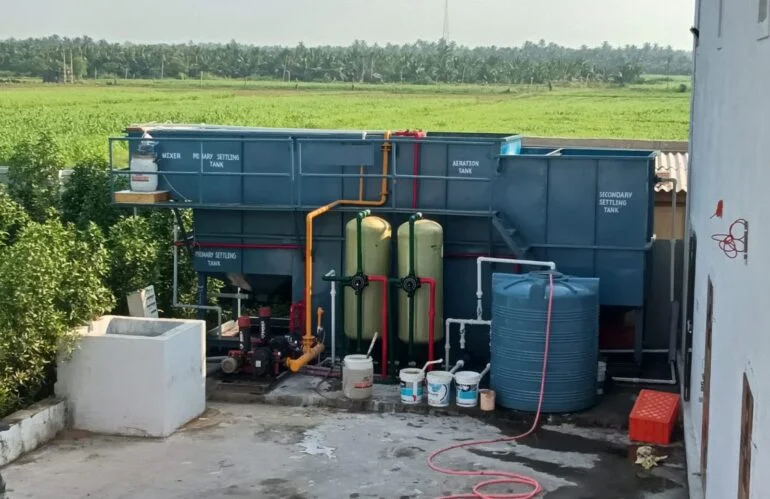
- Primary Treatment: Wastewater flows into large sedimentation tanks (primary clarifiers) where heavier organic solids settle at the bottom, forming primary sludge, and lighter materials (grease, oil) float to the surface as scum. Both are removed, significantly reducing suspended solids.
- Secondary Treatment (Biological Treatment): This is the core stage where dissolved and colloidal organic matter is removed through biological processes. Microorganisms are introduced and encouraged to consume the organic pollutants. Common methods include:
- Activated Sludge Process (ASP): Utilizes a suspension of activated sludge (rich in microorganisms) agitated and aerated in a tank. The microorganisms consume organic matter.
- Moving Bed Biofilm Reactor (MBBR): Uses thousands of small plastic carriers suspended in the aeration tank, providing a large surface area for biofilm growth, leading to higher efficiency in a smaller footprint. Many leading stp plant manufacturer in india offer MBBR solutions.
- Submerged Aerated Filter (SAF): Wastewater passes through a media bed where microorganisms attached to the media consume pollutants, often combined with aeration.
- Sequential Batch Reactor (SBR): An intermittent process where all steps (fill, react, settle, draw) occur in a single tank in sequence.
After biological treatment, the water enters secondary clarifiers where the microorganisms (biomass) settle, separating from the treated water.
- Tertiary Treatment (Advanced Treatment): For higher quality effluent, especially for reuse applications, advanced treatment steps are employed. This can include:
- Filtration: Using sand filters, activated carbon filters, or membrane filtration (e.g., Ultrafiltration, Reverse Osmosis) to remove fine suspended solids and remaining pollutants.
- Disinfection: To eliminate harmful pathogens, typically through chlorination, ultraviolet (UV) radiation, or ozonation.
- Nutrient Removal: Specific processes to remove nitrogen and phosphorus, which can cause eutrophication in water bodies.
- Sludge Treatment: The accumulated primary and secondary sludge is further treated to reduce its volume, stabilize it, and make it safe for disposal or reuse. This often involves thickening, dewatering (e.g., using filter presses or centrifuges), and anaerobic digestion (which can produce biogas).
Types of STP Plants: Solutions for Every Scale and Requirement
The diversity in wastewater characteristics, volume, available land, and discharge standards necessitates a range of STP technologies. Reputable Water Treatment Plant manufacturers in Delhi provide tailored solutions, understanding that one size does not fit all. Here are some prevalent types:
- Conventional Activated Sludge Process (ASP): This is one of the most widely used biological treatment methods globally. It’s robust and suitable for large municipal plants, though it requires a significant footprint due to its large aeration and sedimentation tanks. Its proven effectiveness makes it a reliable choice for many installations.
- Moving Bed Biofilm Reactor (MBBR): Known for its compact design and high efficiency, MBBR technology utilizes thousands of small plastic carriers within the aeration tank. These carriers provide a large protected surface area for the growth of a robust biofilm, which effectively treats organic matter. MBBR is excellent for upgrading existing plants or for new installations with limited space, making it a popular choice among modern STP Plant manufacturers.
- Submerged Aerated Filter (SAF): SAF systems are modular and often preferred for smaller to medium-sized applications. They involve passing wastewater through a bed of media where microorganisms attached to the media degrade pollutants, with air introduced for aerobic conditions. SAFs are known for their low maintenance and consistent effluent quality. Many clients seeking “STP plant Manufacturers near me” find SAF systems ideal for their localized needs.
- Sequential Batch Reactor (SBR): An SBR operates in a batch mode within a single tank, performing all treatment steps sequentially over time (fill, react, settle, draw). This flexibility allows for easy adjustment to varying influent flows and quality, making it a versatile option for communities and industries with fluctuating wastewater generation.
- Membrane Bioreactor (MBR): Representing an advanced form of secondary and tertiary treatment, MBR technology combines a biological treatment process with membrane filtration (microfiltration or ultrafiltration). This results in exceptionally high-quality effluent suitable for direct reuse applications, such as irrigation or industrial processes, and significantly reduces the plant’s physical footprint. MBR is often considered by “Top 10 STP manufacturers in India” for high-end projects requiring superior treated water quality.
- Packaged/Compact STPs: These are pre-engineered, modular units designed for ease of installation and operation, often ideal for residential complexes, hotels, hospitals, and small industries. They offer a quick and efficient solution for decentralized wastewater treatment.
Choosing the Right “Water Treatment Plant manufacturers in Delhi”: Key Considerations
Selecting an appropriate stp plant manufacturer is a critical decision that impacts the project’s success, operational efficiency, and long-term sustainability. For businesses, communities, or developers in Delhi, a thorough evaluation is essential. Here are the key factors to consider:
- Experience and Track Record: Look for manufacturers with a substantial portfolio of successfully implemented STP projects, particularly in Delhi or similar challenging urban environments. Proven experience indicates an understanding of local conditions, regulations, and operational nuances. Reputable companies will readily provide references and case studies. This is crucial when evaluating potential “Top 10 STP manufacturers in India.”
- Technological Expertise and Innovation: The wastewater treatment landscape is constantly evolving. Choose a manufacturer that invests in R&D and offers modern, energy-efficient, and effective technologies (like MBBR or MBR) that align with your specific needs. They should be capable of integrating automation and smart monitoring systems for optimized performance.
- Customization and Scalability: Your project’s requirements are unique. A good manufacturer should offer bespoke solutions rather than off-the-shelf products. They should be able to design a plant that matches your wastewater characteristics, flow rates, available land, and future expansion possibilities.
- Compliance and Certifications: Ensure the manufacturer adheres to all relevant environmental regulations and standards set by the Central Pollution Control Board (CPCB) and local authorities. Certifications like ISO 9001 (Quality Management) and ISO 14001 (Environmental Management) are indicators of a commitment to quality and responsible practices.
- After-Sales Service and Maintenance: An STP is a complex system requiring regular maintenance and occasional troubleshooting. Reliable after-sales support, including spare parts availability, technical assistance, and Annual Maintenance Contracts (AMCs), is vital for the plant’s continuous and efficient operation. Proximity from “STP plant Manufacturers near me” can significantly enhance response times.
- Cost-Effectiveness (CAPEX & OPEX): While the initial capital expenditure (CAPEX) is important, also consider the operational expenditure (OPEX) – energy consumption, chemical usage, and maintenance costs – over the plant’s lifecycle. A well-designed, energy-efficient plant can offer significant long-term savings.
- Reputation and Client Testimonials: Research online reviews, industry forums, and seek testimonials from previous clients. A manufacturer’s reputation for quality, reliability, and customer satisfaction speaks volumes about their commitment.
The Advantage of Partnering with a Local “STP Plant Manufacturer in India”
While global expertise is valuable, partnering with a local STP plant manufacturer in India, especially one within Delhi or nearby regions, offers distinct advantages:
- Better Understanding of Local Regulations: Indian manufacturers are inherently more familiar with the country’s specific environmental laws, discharge norms, and bureaucratic processes, ensuring smoother project approvals and compliance.
- Faster Response Times and Local Support: For operational issues, emergencies, or routine maintenance, a local presence ensures quicker dispatch of technical teams, minimizing downtime and operational disruptions. This is a key benefit for those seeking “STP plant Manufacturers near me.”
- Cost Efficiency in Logistics: Reduced transportation costs for equipment, spare parts, and personnel contribute to overall project savings.
- Cultural and Business Understanding: Local manufacturers often have a deeper understanding of regional business practices, labor availability, and supplier networks, which can streamline project execution.
- Availability of Spare Parts: Sourcing spare parts for plants manufactured locally is generally easier and faster, reducing the risk of prolonged shutdowns.
The Far-Reaching Benefits of Implementing Modern STP Plants
Investing in a high-quality sewage treatment plant provides a cascade of benefits, extending beyond immediate wastewater management:
- Environmental Protection: By treating domestic and industrial wastewater, STPs significantly reduce the discharge of pollutants into natural water bodies, protecting aquatic ecosystems, reducing harmful algal blooms, and preserving biodiversity.
- Public Health Safeguard: Untreated sewage is a breeding ground for pathogens that cause waterborne diseases like cholera, typhoid, and dysentery. STPs eliminate these threats, dramatically improving public health and hygiene.
- Water Resource Augmentation: Treated effluent, particularly from plants incorporating tertiary treatment, can be safely reused for non-potable purposes such as agricultural irrigation, industrial cooling, toilet flushing, gardening, and even groundwater recharge. This is crucial for a water-stressed city like Delhi, helping conserve precious freshwater resources.
- Resource Recovery: Modern STPs are increasingly designed for resource recovery. Anaerobic digestion of sludge can produce biogas, a renewable energy source that can power the plant itself. Nutrient-rich treated sludge (biosolids) can also be safely used as soil conditioner or fertilizer, closing the loop on resource management.
- Regulatory Compliance and Avoiding Penalties: Operating an STP ensures adherence to stringent environmental regulations, helping entities avoid hefty fines and legal repercussions associated with pollution.
Navigating Challenges and Embracing Innovations in Sewage Treatment
Despite the critical importance of STPs, their implementation and operation in India, especially in dynamic urban settings like Delhi, come with their share of challenges:
- Aging Infrastructure: Many existing STPs in Delhi are old, operating below capacity, or using outdated technology. Upgrading and modernizing these facilities is a massive undertaking.
- Energy Consumption: STPs, particularly those relying heavily on aeration, can be significant energy consumers. Innovation is focused on developing more energy-efficient designs and harnessing renewable energy sources like biogas.
- Sludge Management: The safe and sustainable disposal or reuse of treated sludge remains a challenge. Advanced sludge treatment technologies and beneficial reuse strategies are crucial areas of development.
- Technological Advancements: There’s a continuous need to integrate advanced technologies like Membrane Bioreactors (MBR), advanced oxidation processes, and smart monitoring systems to improve efficiency, reduce footprint, and enhance effluent quality. Progressive stp plant manufacturer in India are at the forefront of these innovations.
- Funding and Public Awareness: Securing adequate funding for large-scale projects and increasing public awareness about the benefits of treated wastewater reuse are ongoing hurdles.
How to Identify Top “STP plant manufacturers” and “Top 10 STP manufacturers in India”
For individuals and organizations in Delhi looking for reliable partners, identifying the leading STP plant manufacturers requires a systematic approach:
- Thorough Online Research: Start with comprehensive searches using keywords like “Water Treatment Plant manufacturers in Delhi,” “STP plant manufacturer,” “sewage treatment plant Delhi,” and “Top 10 STP manufacturers in India.” Explore their websites, product offerings, and project galleries.
- Industry Directories and Associations: Consult reputable industry directories, trade publications, and associations like the Indian Water Works Association (IWWA) or the Water Quality Association (WQA) for lists of certified and recognized manufacturers.
- Client References and Case Studies: Request references from manufacturers and, if possible, visit their installed projects. Seeing their work firsthand and hearing from existing clients provides invaluable insights into their quality, reliability, and after-sales support.
- Detailed Proposals and Quotations: Obtain detailed technical and commercial proposals from multiple shortlisted manufacturers. Compare not just the cost, but also the technology offered, operational expenses, maintenance schedules, and warranty terms.
- Assess Certifications and Quality Standards: Verify that the manufacturer adheres to national and international quality and environmental management standards.
- Evaluate After-Sales Support Network: Confirm their service network in and around Delhi. A strong local service presence, common among “STP plant Manufacturers near me,” ensures timely support.
Conclusion: Paving the Way for a Sustainable Water Future in Delhi
The journey towards a sustainable water future for Delhi is inextricably linked to effective wastewater management and the widespread adoption of modern sewage treatment plant technologies. The role of competent and innovative Water Treatment Plant manufacturers in Delhi is central to this endeavor. By selecting the right partners, investing in advanced solutions, and embracing sustainable practices, Delhi can transform its wastewater challenge into an opportunity for resource recovery and environmental rejuvenation.
Making an informed choice for your STP project means looking beyond just the initial investment. It involves considering the manufacturer’s expertise, technological prowess, commitment to compliance, and most importantly, their dedication to long-term support. Only then can Delhi truly secure a cleaner, healthier, and water-secure future for its citizens and generations to come.