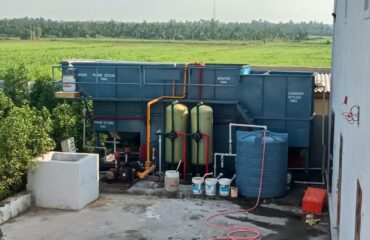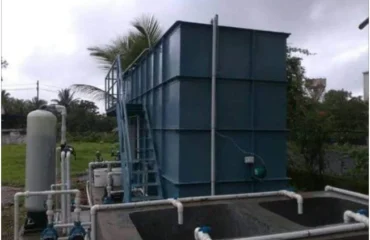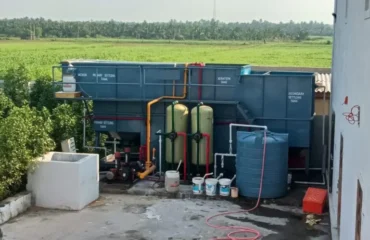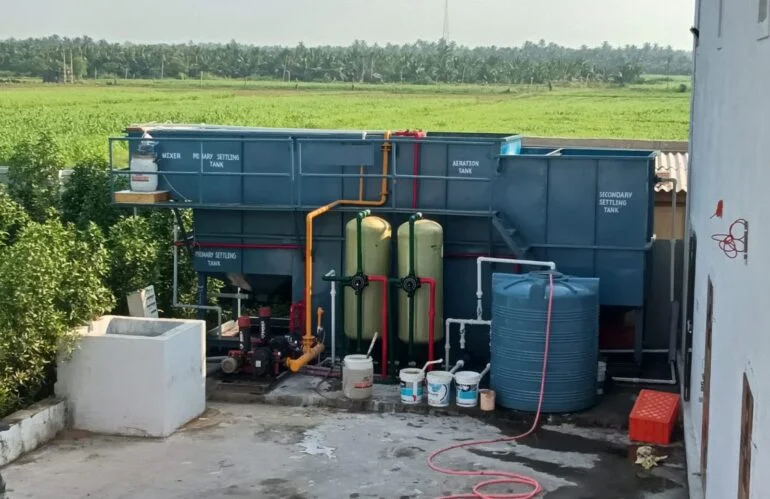
The pristine beauty and ecological balance of Kohima, the capital city of Nagaland, are invaluable assets that demand diligent preservation. As urbanisation and development continue, the management of wastewater becomes increasingly critical. Ensuring clean water for its residents and protecting its natural resources necessitates the expertise of reliable Water Treatment Plant manufacturers in Kohima. This comprehensive guide delves into the significance of robust sewage treatment, the process involved, and how to identify the best partners for implementing sustainable water solutions in this unique hilly terrain.
The Environmental Imperative: Why Sewage Treatment Matters in Kohima
Kohima’s scenic landscapes, rich biodiversity, and vital water sources—including springs and streams—are particularly vulnerable to pollution from untreated sewage. Without proper treatment, wastewater can contaminate these crucial lifelines, leading to severe ecological damage and public health risks. The installation and efficient operation of a Sewage Treatment Plant (STP) are not merely regulatory obligations but fundamental steps towards safeguarding Kohima’s environmental health for future generations. Protecting these resources is paramount to maintaining the region’s natural charm and ensuring the well-being of its communities.
Untreated sewage can introduce harmful pathogens into drinking water sources, causing waterborne diseases. Furthermore, it degrades the quality of soil, impacts aquatic life, and contributes to unpleasant odours, diminishing the quality of life. For a growing urban centre like Kohima, proactively addressing wastewater management through advanced treatment plants is a cornerstone of sustainable development.
Understanding the Core of Clean Water: What is an STP Plant?
A Sewage Treatment Plant (STP) is an engineered facility designed to purify wastewater, primarily from domestic, commercial, and sometimes industrial sources, to a standard suitable for safe discharge back into the environment or for reuse. The primary goal is to remove harmful pollutants, including organic matter, suspended solids, nutrients (nitrogen and phosphorus), and pathogens, ensuring the health of ecosystems and human populations.
The Multi-Stage Process of a Modern STP Plant:
- Preliminary Treatment: This initial stage removes large, easily separable solids such as rags, plastics, grit, and other debris using screens and grit chambers. This protects downstream equipment from damage and blockages.
- Primary Treatment: Wastewater flows into large sedimentation tanks where heavier organic solids settle at the bottom to form primary sludge, while lighter materials float to the surface. This physical process removes a significant portion of suspended solids.
- Secondary Treatment (Biological Treatment): This is the core of an STP, where biological processes break down dissolved organic matter. Microorganisms (bacteria, fungi) consume organic pollutants under controlled conditions. Common technologies include:
- Activated Sludge Process (ASP): Utilizes aerated tanks to encourage microbial growth that consumes organic matter.
- Moving Bed Biofilm Reactor (MBBR): Employs thousands of polyethylene biofilm carriers that provide a protected surface area for beneficial bacteria to grow.
- Sequencing Batch Reactor (SBR): A fill-and-draw activated sludge system that performs all treatment steps in a single tank in a timed sequence.
- Tertiary Treatment (Advanced Treatment – Optional but Recommended): For higher effluent quality, especially for discharge into sensitive areas or for reuse, additional steps are employed. These can include advanced filtration (sand filters, activated carbon), disinfection (chlorination, UV radiation, ozonation), and nutrient removal systems.
- Sludge Treatment: The concentrated sludge generated from primary and secondary treatment undergoes further processing, often involving thickening, digestion, and dewatering, to reduce its volume and stabilize it before safe disposal or beneficial reuse.
Unlocking the Advantages: Benefits of a High-Quality Sewage Treatment Plant
Investing in a high-efficiency Sewage Treatment Plant provides multifaceted benefits for both the environment and the community:
- Superior Environmental Protection: By treating wastewater to stringent standards, STPs prevent the contamination of rivers, lakes, groundwater, and soil, preserving natural ecosystems and biodiversity.
- Enhanced Public Health: The removal of pathogens and harmful substances from sewage dramatically reduces the risk of waterborne diseases, contributing to a healthier populace.
- Potential for Water Reuse: Treated effluent can be repurposed for non-potable uses such as irrigation for agriculture and landscaping, industrial cooling, toilet flushing, and even groundwater recharge, significantly reducing the demand on fresh water sources.
- Compliance with Regulatory Standards: Modern STPs ensure adherence to increasingly strict environmental regulations and discharge norms set by pollution control boards, avoiding penalties and fostering corporate responsibility.
- Sustainable Resource Management: By effectively managing wastewater, communities contribute to a circular economy model, where water is treated, reused, and returned to the environment responsibly, supporting long-term sustainability.
- Odour Control and Aesthetic Improvement: Efficient treatment processes significantly reduce foul odours associated with raw sewage, improving the local environment and quality of life.
Finding the Right Partner: Water Treatment Plant Manufacturers in Kohima
Selecting the ideal Water Treatment Plant manufacturers in Kohima is a critical decision that impacts the project’s success and long-term sustainability. Given Kohima’s unique geographical challenges—hilly terrain, specific climatic conditions, and logistical considerations—it is essential to partner with an stp plant manufacturer that possesses a deep understanding of these local nuances.
Key Considerations When Choosing an STP Plant Manufacturer:
- Proven Experience in Challenging Terrains: Look for manufacturers with a demonstrated history of successfully executing projects in hilly or remote areas, indicating their capability to handle unique logistical and installation challenges specific to Kohima.
- Technological Prowess and Innovation: A leading STP Plant manufacturer in India should offer a range of advanced, energy-efficient, and compact technologies suitable for varying scales and effluent quality requirements. They should be at the forefront of sustainable solutions.
- Customization and Scalability: Every project has unique needs. The chosen manufacturer should be capable of designing and fabricating bespoke STP solutions that are perfectly tailored to the specific wastewater characteristics, discharge standards, and available space for your project in Kohima.
- Comprehensive After-Sales Support: The longevity and efficiency of an STP depend heavily on reliable operation and maintenance. Inquire about annual maintenance contracts (AMCs), operator training programs, and the ready availability of genuine spare parts and technical support.
- Regulatory Compliance and Certifications: Ensure the manufacturer adheres to all relevant national and state environmental standards and possesses necessary certifications, guaranteeing the quality and compliance of their systems.
- Robust Project Management: A good manufacturer will offer end-to-end solutions, from initial consultation and design to installation, commissioning, and ongoing support, ensuring a seamless project execution.
- Client Testimonials and References: Reviewing past projects and client feedback, especially from those in similar regions or with comparable needs, can provide valuable insights into a manufacturer’s reliability and service quality.
Beyond Local: STP Plant Manufacturers in India and Their National Impact
While focusing on local expertise is vital, understanding the broader market of STP Plant manufacturers in India can provide access to cutting-edge technologies and national-level service networks. Many companies are recognized as Top 10 STP manufacturers in India for their significant contributions to sustainable water management across the nation. These leading players often set industry benchmarks for technological innovation, operational efficiency, and customer satisfaction.
Characteristics of Leading STP Plant Manufacturers Nationally:
- Diverse Portfolio of Technologies: They typically offer a wide array of treatment solutions, including highly advanced MBR (Membrane Bioreactor) and SBR (Sequencing Batch Reactor) systems, suitable for diverse applications from small residential complexes to large industrial setups.
- Focus on Automation and Smart Systems: Integration of IoT and automation allows for real-time monitoring, remote control, and optimized plant performance, reducing manual intervention and operational costs.
- Commitment to Research and Development: Continuous innovation in design, materials, and processes leads to more efficient, compact, and environmentally friendly solutions.
- Extensive Service Network: Even if their primary manufacturing unit isn’t in Kohima, national leaders often have a strong regional presence or channel partner networks that ensure timely installation, maintenance, and technical support.
Tailoring Treatment: Choosing the Right Sewage Treatment Plant Technology
The selection of the appropriate Sewage treatment plant technology is paramount for effective and economical wastewater management. The choice is dictated by several factors, including the volume and characteristics of the wastewater, the desired quality of the treated effluent, available land area, and budget constraints.
Popular STP Technologies and Their Applications:
- Conventional Activated Sludge Process (ASP): A robust and widely used biological treatment method, suitable for medium to large-scale applications where land availability is not a major constraint.
- Moving Bed Biofilm Reactor (MBBR): Known for its compact design and high treatment efficiency, MBBR systems are ideal for situations with limited space or for upgrading existing plants. They are also highly resilient to load variations.
- Sequencing Batch Reactor (SBR): This technology performs all stages of the activated sludge process in a single tank, making it efficient for fluctuating flows and smaller footprints. It’s a good option for municipal and industrial wastewater.
- Membrane Bioreactor (MBR): Combining activated sludge with membrane filtration, MBRs produce exceptionally high-quality effluent suitable for direct reuse. They are compact and highly effective, albeit with higher initial capital and operating costs.
- Fabricated/Packaged STPs: These pre-engineered, skid-mounted units are designed for quick installation and commissioning. Often preferred by STP plant manufacturers near me for smaller capacities (e.g., residential colonies, hotels, small commercial establishments) due to their modularity and ease of deployment.
- Fixed-Film Reactors (e.g., Trickling Filters, Rotating Biological Contactors): These systems use a medium (rocks, plastic) for microbial growth, providing robust treatment with lower energy consumption compared to some suspended growth systems.
The Local Advantage: Why “STP Plant Manufacturers Near Me” Matter in Kohima
While national players offer broad expertise, searching for “STP plant Manufacturers near me” in Kohima can provide significant advantages, particularly concerning logistics, immediate support, and local understanding. A manufacturer with a strong local presence or a dedicated regional team can offer:
- Faster Response Times: Quick access for site visits, troubleshooting, and emergency repairs minimizes downtime.
- Better Understanding of Local Regulations: Local manufacturers are often more adept at navigating Nagaland’s specific environmental policies and obtaining necessary clearances.
- Logistical Efficiency: Reduced transportation costs and quicker delivery of equipment and spare parts.
- Personalized Service: A localized approach often translates to more attentive customer service and tailored solutions that consider the unique context of Kohima.
- Community Engagement: Local businesses often have a vested interest in the regional community and environmental well-being.
Ensuring Peak Performance: Maintenance and After-Sales Support
The long-term performance and efficiency of an STP plant are heavily reliant on robust maintenance and excellent after-sales support. A reputable stp plant manufacturer understands this and provides comprehensive services that include:
- Preventive Maintenance Programs: Regular inspections and scheduled servicing to prevent breakdowns, identify potential issues early, and extend the lifespan of the plant components.
- Operator Training: Comprehensive training for local staff ensures they are competent in operating, monitoring, and performing routine maintenance tasks, empowering local communities.
- Readily Available Spare Parts: Quick access to genuine spare parts is crucial to minimize downtime during repairs or replacements.
- 24/7 Technical Support: Prompt and expert assistance for any operational issues, ensuring continuous and optimal functioning of the plant.
- Performance Monitoring and Optimization: Regular assessment of effluent quality and plant efficiency, with recommendations for process improvements.
The Sustainable Horizon: Future of Water Treatment in Kohima
As Kohima continues its path toward sustainable urban development, the future of water treatment will be marked by innovation and an increasing emphasis on resource recovery. Forward-thinking Water Treatment Plant manufacturers in Kohima will play a pivotal role in introducing smart STPs integrated with IoT for real-time data analytics, predictive maintenance, and remote operation. There will be a greater focus on achieving zero liquid discharge (ZLD) in specific industrial applications and maximizing water reuse for various non-potable purposes, contributing to water security. Energy efficiency and the adoption of renewable energy sources for plant operations will also become standard, further reducing the carbon footprint of wastewater treatment.
Conclusion: The decision to invest in a high-quality Sewage Treatment Plant and to partner with experienced Water Treatment Plant manufacturers in Kohima is a strategic move towards a healthier, more sustainable future for the city. By carefully evaluating manufacturers based on their technological prowess, experience, customization capabilities, and commitment to comprehensive after-sales support, individuals, businesses, and municipal bodies in Kohima can ensure they implement robust and effective wastewater management solutions. This collective effort will safeguard Kohima’s precious natural resources and enhance the quality of life for all its inhabitants.