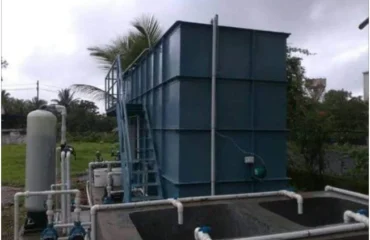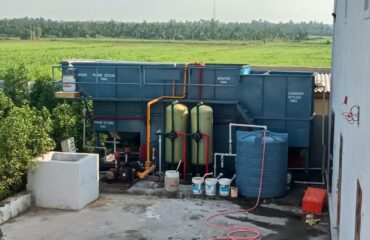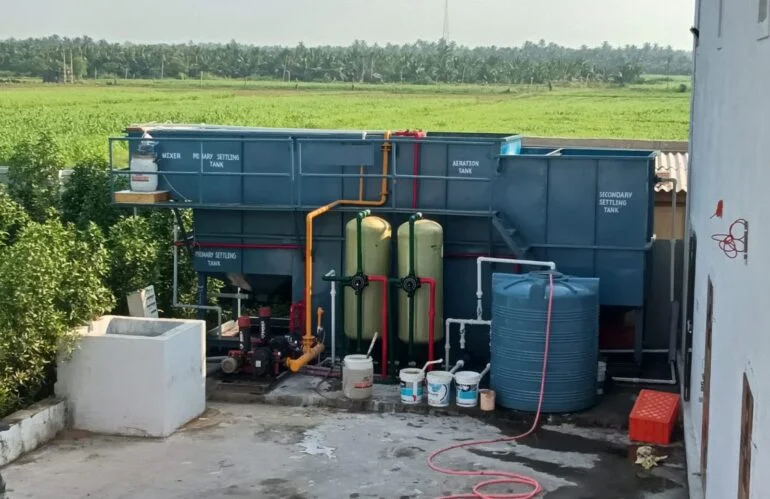
Dhampur, a bustling region witnessing rapid urbanization and industrial growth, faces the critical challenge of managing its wastewater effectively. As the population expands and commercial activities intensify, the volume of sewage generated poses a significant threat to the local environment, public health, and natural water resources. This escalating concern underscores the urgent need for advanced and efficient sewage water treatment solutions. Investing in a robust Sewage Treatment Plant (STP) is no longer a luxury but a fundamental necessity for sustainable development in Dhampur.
At the heart of this crucial infrastructure development are the dedicated Water Treatment Plant manufacturers in Dhampur. These specialized companies play a pivotal role in designing, manufacturing, installing, and maintaining state-of-the-art STPs that can effectively purify wastewater, making it safe for discharge or reuse. By partnering with experienced STP plant manufacturer, industries, municipalities, and residential complexes in Dhampur can ensure compliance with environmental regulations, protect their communities, and contribute to a healthier ecosystem.
The Urgent Need for Effective Sewage Treatment in Dhampur
Untreated sewage discharged into local rivers, lakes, or land can have devastating consequences. For Dhampur, these impacts include:
- Environmental Degradation: Contamination of water bodies leads to the loss of aquatic life, disruption of ecosystems, and degradation of natural landscapes. This directly affects biodiversity and the aesthetic appeal of the region.
- Public Health Risks: Sewage contains numerous pathogens, bacteria, and viruses that can cause waterborne diseases such as cholera, typhoid, and dysentery. Ensuring proper sewage treatment is vital for safeguarding the health of Dhampur’s residents.
- Groundwater Contamination: Untreated wastewater can seep into the ground, contaminating precious groundwater reserves, which are often a primary source of drinking water for many communities.
- Economic Impact: Polluted water resources can negatively affect agriculture, fisheries, and tourism, impacting the local economy. Conversely, treated wastewater can be a valuable resource for irrigation or industrial processes, reducing reliance on fresh water sources.
- Regulatory Compliance: Government bodies enforce strict standards for wastewater discharge. Businesses and municipalities in Dhampur must comply with these regulations to avoid hefty fines and legal repercussions.
Understanding How a Sewage Treatment Plant (STP) Works
A Sewage Treatment Plant (STP) is a facility designed to remove contaminants from wastewater and household sewage, producing an effluent that is suitable for discharge to the natural environment or for reuse. The general process typically involves several stages:
Preliminary Treatment
This initial stage involves screening to remove large solids like rags, plastics, and grit that could damage equipment or interfere with subsequent treatment processes.
Primary Treatment
Wastewater flows into large tanks where solids settle to the bottom (primary sludge) and lighter materials like grease and oil float to the surface (scum). Both are then removed.
Secondary Treatment (Biological Treatment)
This is the core of an STP, where biological processes are used to remove dissolved and suspended organic matter. Microorganisms consume organic pollutants under controlled conditions. Common technologies here include activated sludge, trickling filters, and advanced systems like MBBR and SBR.
Tertiary Treatment (Advanced Treatment)
This optional but increasingly crucial stage further purifies the water to a higher standard. It can involve filtration (sand, activated carbon), disinfection (chlorination, UV radiation, ozonation), and nutrient removal (nitrogen and phosphorus). The goal is to make the water suitable for specific reuse applications or for discharge into sensitive environments.
Key Technologies Employed by Top STP Plant Manufacturers in India
Modern STP Plant manufacturers in India leverage a variety of advanced technologies to achieve efficient and cost-effective wastewater treatment. Understanding these can help in choosing the right solution for Dhampur:
1. Moving Bed Biofilm Reactor (MBBR)
- Description: MBBR systems use thousands of polyethylene biofilm carriers operating in an aerated wastewater treatment basin. The microorganisms grow on these carriers, breaking down organic matter.
- Advantages: Compact footprint, high treatment efficiency, robust against shock loads, easy to operate, and minimal sludge production.
- Applications: Ideal for industrial wastewater, municipal sewage, and upgrades to existing plants.
2. Sequencing Batch Reactor (SBR)
- Description: SBR is a fill-and-draw activated sludge system where all treatment steps (fill, react, settle, draw, idle) occur sequentially in a single reactor basin.
- Advantages: High flexibility, consistent effluent quality, excellent nutrient removal capabilities, and simple operation.
- Applications: Suitable for small to medium-sized municipalities, industrial facilities with variable flow rates, and communities with strict discharge limits.
3. Membrane Bioreactor (MBR)
- Description: MBR combines activated sludge treatment with membrane filtration. Membranes act as a physical barrier, effectively separating solids from treated water.
- Advantages: Produces extremely high-quality effluent suitable for reuse, smaller footprint than conventional systems, and better sludge retention.
- Applications: Highly effective for situations requiring water reuse (e.g., irrigation, industrial process water) and where space is limited.
4. Upflow Anaerobic Sludge Blanket (UASB)
- Description: UASB is an anaerobic treatment technology where wastewater flows upwards through a blanket of granular sludge containing anaerobic microorganisms. These microorganisms digest organic matter, producing biogas.
- Advantages: Low energy consumption, produces biogas as a renewable energy source, and less sludge production compared to aerobic systems.
- Applications: Commonly used for high-strength industrial wastewater and suitable for warmer climates.
How to Choose the Right Water Treatment Plant Manufacturers in Dhampur
Selecting the ideal Water Treatment Plant manufacturers in Dhampur requires careful consideration of several factors to ensure a successful and sustainable sewage treatment solution. Here’s what to look for:
1. Experience and Expertise
Opt for manufacturers with a proven track record in designing and installing STPs. Look for their portfolio of completed projects, especially those similar in scale and complexity to your requirements. An experienced STP plant manufacturer will understand local regulations and environmental conditions specific to Dhampur.
2. Technology and Customization
A good manufacturer should offer a range of technologies (MBBR, SBR, MBR, UASB, etc.) and be able to customize the solution to your specific needs, considering factors like raw sewage characteristics, desired effluent quality, space availability, and budget. Avoid one-size-fits-all solutions.
3. Compliance and Certifications
Ensure the manufacturer adheres to all national and local environmental standards and possesses relevant certifications (e.g., ISO, CE). This guarantees that the installed STP will meet regulatory requirements and operate safely and efficiently.
4. After-Sales Service and Support
An STP is a long-term investment. Reliable after-sales service, including maintenance contracts, spare parts availability, operational training, and troubleshooting, is crucial for the plant’s continuous and efficient operation. Inquire about the proximity and responsiveness of “STP plant Manufacturers near me” for quick support.
5. Cost-Effectiveness and Return on Investment (ROI)
While initial cost is a factor, prioritize the overall lifecycle cost, which includes operational expenses (energy, chemicals, sludge disposal) and maintenance. A more efficient plant might have a higher upfront cost but offer significant savings in the long run. Seek transparent pricing and detailed cost breakdowns.
The Impact of Top 10 STP Manufacturers in India
While naming specific companies is beyond the scope, understanding the qualities that make up the Top 10 STP manufacturers in India can guide your selection process. These leading manufacturers are characterized by:
- Innovation: Constantly researching and implementing new technologies for improved efficiency and environmental performance.
- Quality Assurance: Adhering to stringent quality control measures in manufacturing and installation.
- Comprehensive Solutions: Offering end-to-end services from consultation and design to installation, commissioning, and AMC.
- Robust Portfolio: A diverse range of successful projects across various sectors (municipal, industrial, residential).
- Client-Centric Approach: Focusing on understanding client needs and providing tailored, sustainable solutions.
Even if a manufacturer isn’t globally recognized, a reputable STP plant manufacturer in India will demonstrate these core values, ensuring high standards for projects in Dhampur.
Benefits of Investing in a Modern Sewage Treatment Plant
The installation of a high-quality Sewage treatment plant offers a multitude of benefits:
- Environmental Protection: Prevents pollution of rivers, lakes, and groundwater, preserving natural ecosystems.
- Water Reuse Potential: Treated water can be safely reused for non-potable purposes such as irrigation, industrial cooling, and toilet flushing, conserving fresh water resources.
- Public Health Improvement: Reduces the spread of waterborne diseases, leading to a healthier community.
- Resource Conservation: Treated wastewater can reduce the demand on conventional water sources, contributing to wastewater management and sustainability.
- Compliance and Reputation: Ensures adherence to environmental regulations, enhancing corporate social responsibility and public image.
- Sludge Management: Modern STPs often include efficient sludge handling, sometimes even converting it into valuable by-products.
Conclusion
For Dhampur to continue its trajectory of growth and development sustainably, effective sewage water treatment is paramount. Partnering with a reliable and experienced Water Treatment Plant manufacturers in Dhampur is the most critical step toward achieving this goal. By carefully evaluating options based on technology, experience, compliance, and after-sales support, municipalities, industries, and residential developers can secure a future where clean water is not just a dream but a reality.
Invest in an advanced Sewage treatment plant today to safeguard the environment, protect public health, and ensure a sustainable future for Dhampur. Choose a manufacturer who is not just a supplier but a partner in environmental stewardship, providing solutions that stand the test of time.
Considering solutions for industrial water needs? Explore more about industrial water treatment options that complement your wastewater management strategy.