Introduction: The Growing Need for Sewage Treatment in Amritsar
Amritsar, a city steeped in history and culture, is experiencing rapid urbanization and industrial growth. While this progress brings prosperity, it also presents significant environmental challenges, particularly concerning wastewater management. The increasing volume of domestic and industrial sewage necessitates robust and efficient treatment solutions to protect the city’s natural water bodies and ensure public health. This is where the expertise of leading Water Treatment Plant manufacturers in Amritsar becomes indispensable. Investing in advanced Sewage Treatment Plants (STPs) is not just about compliance; it’s about safeguarding the future of Amritsar, its environment, and the well-being of its residents.
Understanding Sewage Treatment Plants (STPs): A Crucial Infrastructure
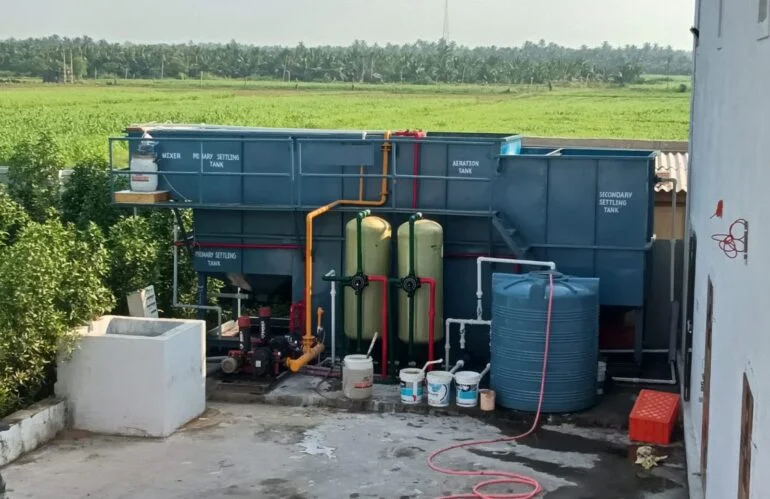
A Sewage Treatment Plant (STP) is a facility designed to remove contaminants from wastewater and household sewage, producing an effluent that is suitable for discharge to the natural environment or for reuse. These plants are a cornerstone of modern urban infrastructure, playing a vital role in preventing water pollution and maintaining ecological balance.
What is an STP?
An STP employs a multi-stage process to clean sewage. This typically involves physical, chemical, and biological processes to remove solids, organic matter, nutrients, and pathogens. The goal is to transform harmful wastewater into a cleaner output, often referred to as treated effluent, which can then be safely returned to the environment or repurposed for non-potable uses like irrigation, industrial cooling, or toilet flushing. The demand for reliable stp plant manufacturer expertise is growing across India, as communities recognise the critical role these systems play.
Why are STPs Essential for Amritsar’s Environment?
- Environmental Protection: Untreated sewage discharged into rivers like the Beas or groundwater contaminates ecosystems, harming aquatic life and disrupting biodiversity. STPs prevent this widespread pollution.
- Public Health: Wastewater contains numerous pathogens that can cause waterborne diseases. Effective sewage treatment significantly reduces the risk of outbreaks, protecting the health of Amritsar’s citizens.
- Water Resource Management: With increasing water scarcity, treating sewage allows for the reuse of water, reducing the demand on fresh water sources and promoting sustainable resource management within the region. This makes the role of every Stp plant manufacturer in india incredibly important.
- Compliance with Regulations: Indian environmental laws mandate proper sewage treatment before discharge. STPs ensure that municipalities and industries adhere to these crucial environmental standards.
Key Factors When Choosing STP Plant Manufacturers in Amritsar
Selecting the right partner for your sewage treatment needs is critical to the success and longevity of the plant. Given the technical complexities and the significant investment involved, it’s imperative to evaluate potential STP Plant manufacturers thoroughly. Here are key factors to consider:
- Experience and Expertise: Look for manufacturers with a proven track record in designing, installing, and commissioning STPs of similar scale and complexity. A manufacturer with extensive experience will better understand the specific challenges and requirements of the Amritsar region. Their portfolio should showcase successful projects, highlighting their technical capabilities as a seasoned stp plant manufacturer.
- Technology and Innovation: The field of wastewater treatment is constantly evolving. Choose a manufacturer that utilizes state-of-the-art technology, offering energy-efficient, robust, and effective treatment solutions. Inquire about their research and development efforts and their ability to integrate advanced processes.
- Customization Capabilities: Every project has unique requirements based on sewage characteristics, desired effluent quality, space availability, and budget. A good manufacturer should be able to offer tailored solutions rather than one-size-fits-all approaches. This flexibility is a hallmark of the Top 10 STP manufacturers in India.
- Compliance and Certifications: Ensure the manufacturer adheres to all national and local environmental regulations and possesses necessary certifications (e.g., ISO standards). This guarantees that the plant will meet discharge norms and operate legally.
- After-Sales Service and Support: An STP is a long-term investment that requires ongoing maintenance and operational support. Evaluate the manufacturer’s commitment to after-sales service, including spare parts availability, troubleshooting, and operator training. Proximity and responsiveness are key, especially when looking for “STP plant Manufacturers near me“.
- Cost-effectiveness and ROI: While initial investment is a factor, focus on the total cost of ownership, including operational costs (energy, chemicals, maintenance) and the return on investment through water reuse or avoided penalties. A reliable Sewage treatment plant should offer long-term value.
Navigating the Market: Top STP Plant Manufacturers in India Serving Amritsar
The Indian market boasts a vibrant landscape of wastewater treatment companies, ranging from multinational corporations to specialized regional players. When seeking Water Treatment Plant manufacturers in Amritsar, it’s beneficial to consider firms that have a strong presence or a track record of successful installations in North India. Many of the Top 10 STP manufacturers in India operate nationally, providing comprehensive solutions across various scales.
These manufacturers often excel in offering a diverse range of STP technologies, including Moving Bed Biofilm Reactor (MBBR), Sequential Batch Reactor (SBR), Activated Sludge Process (ASP), and Membrane Bioreactor (MBR) systems. The choice of technology heavily depends on the specific influent characteristics, desired treated water quality, and available footprint. A reputable Stp plant manufacturer in india will guide you through this selection process, ensuring the technology aligns perfectly with your operational goals and environmental commitments. Focusing on those who truly understand the local context and regulatory framework in Punjab is also an added advantage, reinforcing the idea of finding an “STP Plant manufacturers near me” with specific regional expertise.
The STP Process: From Wastewater to Reusable Resource
The journey of wastewater through an STP is a fascinating transformation, turning a pollutant into a potentially reusable resource. While specific technologies may vary, the core stages remain consistent across most Sewage treatment plant designs.
Preliminary Treatment
This initial stage involves the physical removal of large solids, debris, and grit that could damage equipment or interfere with subsequent treatment processes. It typically includes bar screens, grit chambers, and sometimes comminutors. This step is crucial for the efficient operation of the entire Sewage treatment plant.
Primary Treatment
Following preliminary treatment, wastewater flows into large sedimentation tanks (primary clarifiers). Here, heavier organic and inorganic solids settle to the bottom as primary sludge, while lighter materials like oil and grease float to the surface and are skimmed off. This stage removes approximately 25-50% of the biochemical oxygen demand (BOD) and 50-70% of suspended solids.
Secondary Treatment
This is the biological treatment stage, where dissolved and colloidal organic matter is removed. Microorganisms (bacteria, protozoa) consume the organic pollutants in the wastewater, converting them into stable end products like carbon dioxide, water, and new biomass. Common secondary treatment methods include activated sludge process, trickling filters, Rotating Biological Contactors (RBCs), and advanced systems like MBBR and SBR, which are often offered by a proficient stp plant manufacturer.
Tertiary Treatment (Advanced Treatment)
Tertiary treatment is an optional but increasingly common stage, especially when a higher quality effluent is required for discharge into sensitive receiving waters or for reuse applications. This stage can involve various processes such as filtration (sand filters, membrane filtration), nutrient removal (nitrogen and phosphorus), and activated carbon adsorption to remove remaining trace pollutants. Manufacturers often tailor these advanced stages based on specific project needs, underscoring their role as versatile STP Plant manufacturers.
Disinfection and Sludge Management
Before the treated effluent is discharged, it often undergoes disinfection to kill any remaining pathogenic microorganisms. Common disinfection methods include chlorination, ultraviolet (UV) irradiation, or ozonation. Simultaneously, the sludge generated from primary and secondary treatment stages is further processed (thickened, dewatered, digested) to reduce its volume, stabilize it, and prepare it for safe disposal or beneficial reuse (e.g., as soil conditioner), completing the comprehensive cycle of a Sewage treatment plant.
Benefits of Investing in a Modern Sewage Treatment Plant
Beyond regulatory compliance, installing an efficient STP offers a multitude of advantages for communities, industries, and the environment in Amritsar.
- Environmental Sustainability: Protecting local rivers, groundwater, and soil from pollution, thereby preserving biodiversity and ecological balance.
- Resource Recovery: Treated wastewater can be reused for non-potable purposes, significantly reducing the demand for fresh water resources and contributing to water security. Sludge can also be processed for biogas generation or agricultural applications.
- Public Health and Hygiene: Eliminating pathogens from wastewater drastically reduces the incidence of waterborne diseases, ensuring a healthier living environment for all residents.
- Regulatory Compliance and Brand Image: Adhering to environmental discharge norms avoids hefty penalties and enhances the public image and corporate social responsibility (CSR) profile of industries and municipalities.
- Economic Advantages: Reduced reliance on fresh water, potential for resource recovery, and avoidance of fines can lead to long-term operational cost savings. A well-designed plant from a reliable Water Treatment Plant manufacturers in Amritsar offers excellent return on investment.
The Future of Water Treatment in Amritsar
As Amritsar continues to grow, the demand for sophisticated and sustainable water management solutions will only intensify. Future STPs will likely incorporate more advanced monitoring, automation, and energy-efficient technologies. There’s a growing emphasis on not just treating wastewater, but transforming it into a valuable resource – whether for irrigation, industrial processes, or even groundwater recharge. Collaboration between government bodies, local communities, and experienced STP Plant manufacturers will be crucial in achieving a water-secure and environmentally resilient Amritsar.
Conclusion: Partnering for a Cleaner, Healthier Amritsar
The imperative for effective sewage treatment in Amritsar is clear. By choosing competent and experienced Water Treatment Plant manufacturers in Amritsar, industries and municipalities can implement sustainable solutions that protect the environment, enhance public health, and contribute to the city’s overall development. Investing in a high-quality Sewage treatment plant is an investment in a cleaner, greener, and healthier future for the holy city.