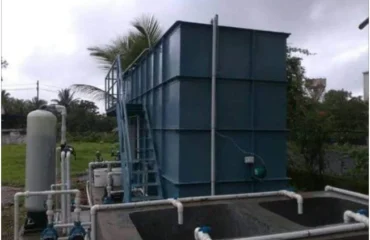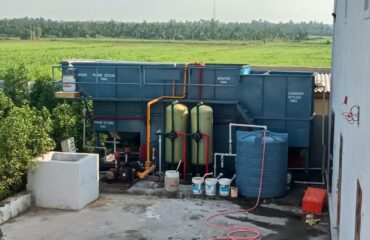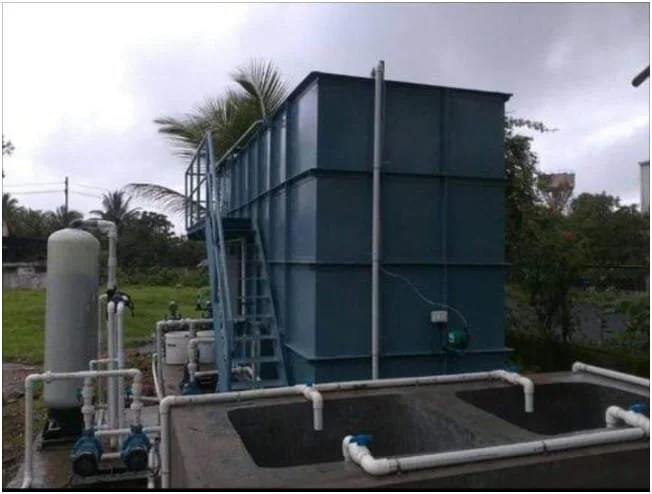
Introduction to Effluent Treatment Plant (ETP)
Effluent Treatment Plants (ETPs) play a crucial role in managing industrial wastewater to ensure minimal environmental impact. In Khamman, a rapidly industrializing region, ETPs have become essential for sustainable manufacturing practices.
Why Effluent Treatment Plants Are Vital
Industries generate significant amounts of wastewater containing harmful chemicals, solids, and organic pollutants. Proper treatment through ETPs ensures:
- Compliance with environmental regulations
- Protection of local water bodies and ecosystems
- Reduction of health hazards to communities
- Promotion of resource recovery and reuse
Effluent Treatment Plant Manufacturers in Khamman: An Overview
Khamman houses some of the most reputed ETP plant manufacturers known for their innovative and efficient solutions. These manufacturers provide tailored ETP systems to cater to diverse industrial needs, including textile, pharmaceuticals, chemicals, and more.
Key Features Offered by ETP Manufacturers in Khamman
- Customized design to suit industry-specific wastewater characteristics
- High-efficiency treatment processes including biological, chemical, and physical methods
- Use of advanced technology for automation and monitoring
- Emphasis on sustainability and cost-effectiveness
ETP Plant Manufacturer in India: Market Landscape
India’s ETP market is growing robustly, with numerous companies specializing in effluent treatment technologies. Among these, the ETP plant manufacturers in Khamman stand out for quality and service.
Top 10 ETP Manufacturers in India
Based on industry recommendations and customer trust, here’s a snapshot:
- Manufacturer A – Expertise in municipal and industrial ETPs
- Manufacturer B – Leader in advanced biological treatment
- Manufacturer C – Custom large-scale ETPs for heavy industries
- Manufacturer D – Innovative chemical treatment solutions
- Manufacturer E – Green and sustainable ETP technology
- Manufacturer F – Versatile designs for various sectors
- Manufacturer G – Cost-efficient ETP systems
- Manufacturer H – Comprehensive maintenance and support
- Manufacturer I – Skilled in hazardous waste treatment
- Manufacturer J – Focus on automation and remote monitoring
Choosing the Right ETP Plant Manufacturer Near You
When searching for ETP plant manufacturers near me in Khamman or elsewhere, consider these factors:
- Experience & Track Record: Longevity in the industry and successful project case studies.
- Technology & Innovation: Use of latest treatment technologies and R&D capabilities.
- Customization: Ability to tailor systems to your specific requirements.
- After-Sales Support: Reliable maintenance, training, and quick response services.
- Cost & Efficiency: Competitive pricing without compromising on quality.
Understanding the Process of Effluent Treatment Plant
The typical ETP process involves several stages to ensure wastewater is treated effectively:
- Pre-Treatment: Removal of large solids and grit.
- Primary Treatment: Sedimentation to separate suspended solids.
- Secondary Treatment: Biological methods to degrade organic matter.
- Tertiary Treatment: Advanced filtration, chemical treatment, or disinfection.
- Sludge Treatment: Processing and safe disposal of residual sludge.
Benefits of Installing an Effluent Treatment Plant
- Ensures compliance with local and national environmental standards.
- Protects public health by preventing water pollution.
- Saves water by enabling treatment and reuse in industrial processes.
- Enhances corporate social responsibility and brand image.
Frequently Asked Questions (FAQs)
Q1: What industries require an Effluent Treatment Plant?
A1: Industries such as textiles, pharmaceuticals, chemicals, food processing, and paper manufacturing require ETPs to treat their wastewater.
Q2: How long does it take to install an ETP?
A2: Installation time varies based on plant size and complexity, typically ranging from a few weeks to several months.
Q3: Are there government regulations regarding effluent treatment?
A3: Yes, government bodies like the Central Pollution Control Board (CPCB) mandate effluent treatment to meet discharge standards.
Q4: Can treated water from ETP be reused?
A4: Yes, treated water can be reused in cooling, irrigation, or other industrial processes depending on quality.
Q5: How do I choose the best ETP manufacturer?
A5: Consider experience, technology, customization, after-sales support, and compliance with environmental standards.
Conclusion
Selecting the right Effluent Treatment Plant manufacturers in Khamman ensures your industry’s wastewater is managed sustainably and efficiently. With a wide range of experienced and technologically advanced manufacturers available locally, industries can meet environmental compliance while promoting green industrial growth.