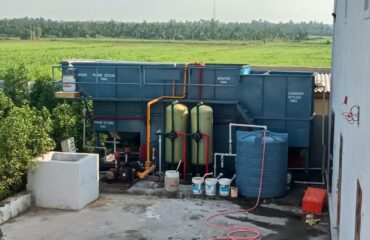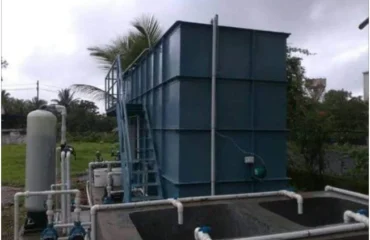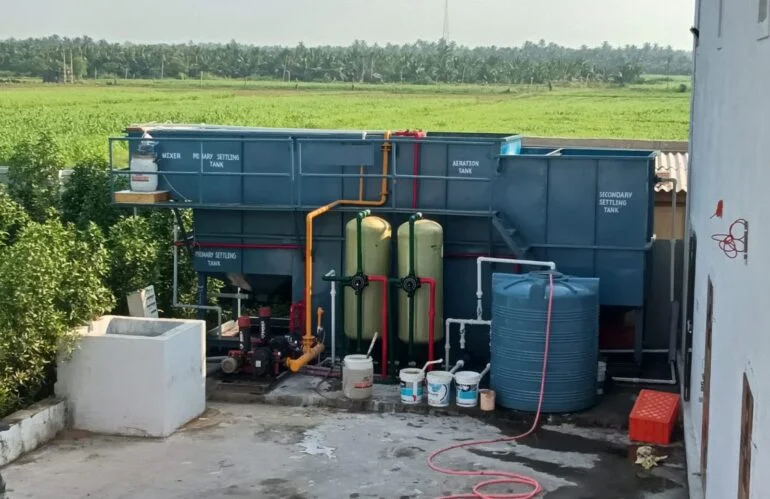
Introduction to Effluent Treatment Plants (ETP) in Mathura
Effluent Treatment Plants (ETPs) play a crucial role in managing industrial wastewater to protect the environment and comply with regulatory standards. Mathura, a significant industrial hub in India, has witnessed a surge in demand for efficient effluent treatment solutions. This blog explores the top Effluent Treatment Plant manufacturers in Mathura, highlighting their capabilities, technologies, and how they contribute to sustainable industrial practices.
What is an Effluent Treatment Plant (ETP)?
An Effluent Treatment Plant is a system designed to treat wastewater produced by industries before it is released into the environment. The primary goal is to remove harmful contaminants, ensuring that the water is safe for discharge or reuse. ETPs are essential for industries such as chemical manufacturing, textiles, pharmaceuticals, and food processing.
Key Components of an ETP
- Pre-treatment: Screening and removal of large solids.
- Primary treatment: Settling tanks to remove suspended solids.
- Secondary treatment: Biological processes to degrade organic matter.
- Tertiary treatment: Advanced filtration and disinfection processes.
- Sludge treatment: Management and disposal of residual sludge.
Importance of Effluent Treatment Plants in Mathura
Being an industrial city with diverse manufacturing units, Mathura generates substantial volumes of wastewater. Efficient wastewater management through ETPs helps in:
- Preventing water pollution and safeguarding local water bodies.
- Ensuring compliance with environmental regulations.
- Promoting water reuse and sustainability within industries.
- Protecting public health and ecological balance.
Top Effluent Treatment Plant Manufacturers in Mathura
Several renowned ETP plant manufacturers serve Mathura, specializing in customized solutions tailored to different industry needs. These manufacturers emphasize cutting-edge technology, quality assurance, and after-sales service.
Features to Look for in an ETP Manufacturer
- Proven expertise with tailored ETP designs.
- Use of advanced treatment technologies.
- Compliance with national and international standards.
- Strong customer support and maintenance services.
- Competitive pricing with focus on sustainability.
Leading ETP Plant Manufacturers in India Serving Mathura
India is home to numerous ETP manufacturers known for their innovation and reliability. When searching for an ETP plant manufacturer in India or ETP Plant manufacturers near me in Mathura, consider the following top companies recognized nationally:
- Enviro Tech Systems Pvt. Ltd.
- Clear Water Solutions
- Green Enviro Technologies
- Eco Treat Engineers
- Pure Aqua Systems
These companies offer turnkey effluent treatment plant solutions, catering to various industries such as pharmaceuticals, textile mills, and chemical industries.
Technologies Used by ETP Manufacturers
ETP plant manufacturers integrate diverse treatment technologies to enhance efficiency and sustainability:
- Activated Sludge Process (ASP): Biological treatment for organic waste reduction.
- Membrane Bioreactors (MBR): Combines membranes and bioreactors for high-quality effluent.
- Reverse Osmosis (RO): Advanced filtration for removing dissolved contaminants.
- Electrocoagulation: Electrochemical process to remove suspended solids and heavy metals.
- UV and Ozone Treatment: Disinfection to eliminate pathogens.
Benefits of Investing in a Quality Effluent Treatment Plant
- Regulatory Compliance: Avoid penalties and shutdowns by meeting wastewater discharge standards.
- Environmental Protection: Reduce pollution impact on water bodies and ecosystems.
- Cost Saving: Potential reuse of treated water reduces fresh water consumption.
- Reputation: Demonstrate corporate responsibility and sustainability efforts.
- Operational Efficiency: Modern ETPs require less manual intervention and energy consumption.
How to Choose the Right ETP Plant Manufacturer in Mathura
Selecting the best ETP plant manufacturer in Mathura involves thorough evaluation of several factors:
- Experience and track record: Check past projects and client testimonials.
- Customization capabilities: Ability to design plants suited to your industry’s effluent characteristics.
- After-sales support: Availability of maintenance, operation training, and emergency services.
- Technology & Innovation: Use of modern, efficient treatment systems.
- Budget considerations: Balance between cost, quality, and long-term benefits.
Steps Involved in Setting Up an Effluent Treatment Plant
- Assessment of wastewater characteristics and volume.
- Designing a customized ETP based on industry and effluent type.
- Installation and commissioning by expert teams.
- Regular monitoring and maintenance to ensure compliance.
- Upgrading technology as per changing regulations and capacity.
Conclusion
Effluent Treatment Plants are indispensable for industries in Mathura aiming to reduce their environmental footprint and maintain regulatory compliance. Choosing the right Effluent Treatment Plant manufacturers in Mathura ensures you get efficient, reliable, and sustainable wastewater management solutions. Invest wisely in an ETP that aligns with your industry needs and environmental responsibilities.
Frequently Asked Questions (FAQs)
- Q1: What industries in Mathura commonly require effluent treatment plants?
A1: Textile, chemical, pharmaceutical, food processing, and dye industries commonly require ETPs in Mathura. - Q2: How often should an Effluent Treatment Plant be maintained?
A2: Regular maintenance is recommended monthly, with detailed inspections quarterly or bi-annually. - Q3: Are there government incentives for installing ETPs in Mathura?
A3: Some state and central government schemes offer subsidies and support for installing pollution control equipment like ETPs. - Q4: Can treated water from ETPs be reused?
A4: Yes, treated water can often be reused for industrial processes, irrigation, or cooling, depending on treatment levels. - Q5: How long does it take to install an ETP?
A5: Installation time varies based on plant size and complexity but typically ranges from 2 to 6 months.