Introduction to Sewage Water Treatment Plants in Bharatpur
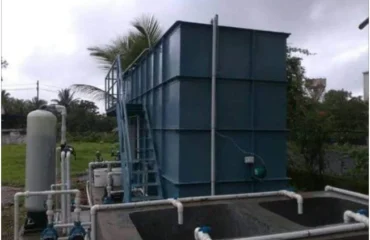
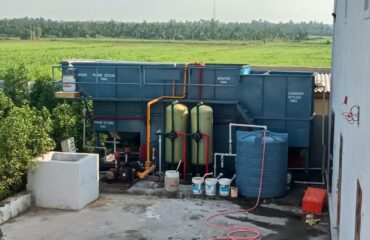
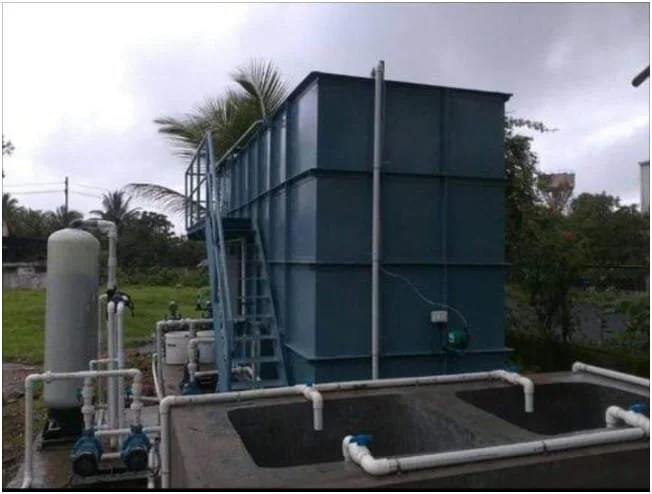
Sewage treatment plants (STPs) are crucial for managing wastewater and safeguarding the environment. Bharatpur, a city known for its growing infrastructure, is home to several water treatment plant manufacturers specializing in efficient sewage treatment solutions. This blog explores the top aspects of sewage water treatment plants, highlighting key players in Bharatpur and the latest technologies in the industry.
Why Choose Water Treatment Plant Manufacturers in Bharatpur?
Bharatpur’s thriving industrial and residential sectors demand high-quality sewage treatment. Choosing local water treatment plant manufacturers in Bharatpur offers several benefits:
- Proximity: Faster installation and maintenance services.
- Cost-efficient solutions: Reduced logistics and transportation costs.
- Customized designs: Manufacturers understand local water conditions and regulations.
- Expertise in STP technology: Access to manufacturers focusing on the latest sewage treatment solutions.
Understanding Sewage Treatment Plants (STP)
An STP is designed to remove contaminants from sewage water, making it safe for release or reuse. The treatment process typically includes:
- Preliminary Treatment: Removal of large solids and grit.
- Primary Treatment: Settling of suspended solids.
- Secondary Treatment: Biological treatment to break down organic matter.
- Tertiary Treatment: Additional filtering and disinfection for enhanced water quality.
Top STP Plant Manufacturers in Bharatpur and India
Here are some recognized names in the sewage treatment industry, including those around Bharatpur:
- STP Plant manufacturer in India with extensive experience delivering turnkey sewage treatment plants.
- Companies listed among the Top 10 STP manufacturers in India known for innovation and reliability.
- STP Plant manufacturers near me often provide tailored solutions and quicker support.
How to Choose the Right STP Manufacturer
- Experience and Expertise: Look for manufacturers specializing in STP and sewage treatment plants.
- Technology: Advanced and eco-friendly treatment methods.
- Certifications: Compliance with environmental standards and industrial certifications.
- After-sale Service: Warranty, maintenance, and technical support availability.
- Customization and Capacity: Ability to design plants according to your capacity requirements.
Benefits of Sewage Treatment Plants
- Protects the environment by treating harmful wastewater before discharge.
- Conserves water through recycling and reuse of treated water.
- Supports sustainable development in urban and industrial areas.
- Reduces health risks caused by untreated sewage.
Common Types of Sewage Treatment Plants
- Activated Sludge Process (ASP)
- Extended Aeration
- Rotating Biological Contactors (RBC)
- Membrane Bioreactor (MBR)
- Natural Treatment Systems like lagoons and constructed wetlands
Maintenance Tips for Effective STP Operation
- Regular monitoring and testing of influent and effluent quality.
- Proper sludge handling and disposal.
- Routine inspection of mechanical and electrical components.
- Timely replacement of worn-out parts.
- Staff training for efficient operation procedures.
Future Trends in Sewage Treatment Technology
Manufacturers in Bharatpur and across India are adopting new technologies like automation, IoT-based monitoring, and energy-efficient processes to enhance the performance of sewage treatment plants. Emphasis on sustainable and green technologies is also increasing, paving the way for a cleaner environment.
Conclusion
For industries, municipalities, or residential complexes in Bharatpur looking for reliable sewage treatment solutions, selecting reputed Water Treatment Plant manufacturers in Bharatpur is essential. These manufacturers provide innovative, compliant, and cost-effective STP systems tailored to local needs, ensuring the sustainable management of wastewater and protecting public health.
FAQs
- What is the cost of setting up an STP?
The cost varies based on capacity, technology, and customization. Contact local manufacturers for detailed quotations. - How often does an STP require maintenance?
Regular maintenance is recommended monthly or quarterly depending on usage and design. - Can treated water be reused?
Yes, treated water is often reused for irrigation, industrial processes, and flushing purposes. - Are there government subsidies for installing STPs?
Some states and central government schemes promote subsidies. Check with local authorities for current programs. - How long does it take to install an STP?
Installation time depends on plant size and complexity but typically ranges from a few weeks to several months.