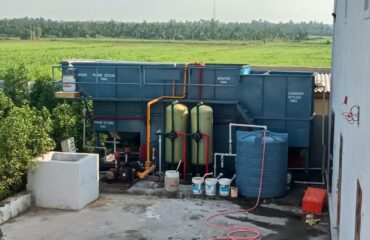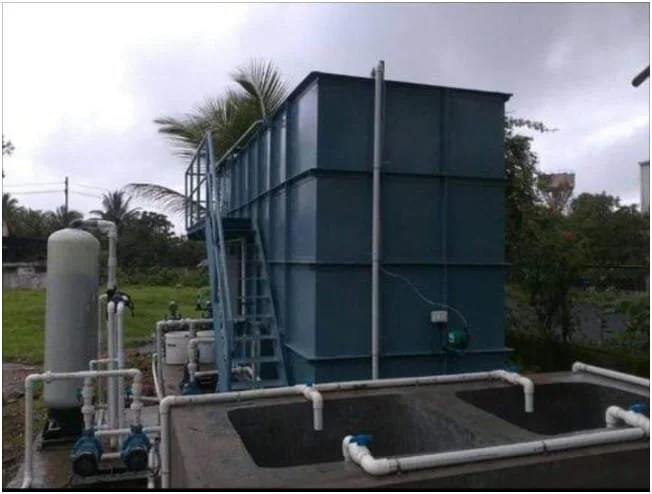
Kottagudem, a significant industrial and urban center in Telangana, faces the ever-growing challenge of managing its wastewater effectively. As urbanization and industrial activities surge, the volume of sewage generated escalates, placing immense pressure on natural water bodies and public health. This critical scenario underscores the indispensable role of advanced Sewage Water Treatment Plants (STPs) and, consequently, the expertise of reliable Water Treatment Plant manufacturers in Kottagudem.
The Critical Need for Sewage Water Treatment in Kottagudem
The pristine environment of Kottagudem, much like any developing region, is susceptible to the adverse effects of untreated sewage discharge. Untreated wastewater contains a myriad of pollutants, including organic matter, pathogens, nutrients (nitrogen and phosphorus), and heavy metals. When discharged directly into rivers, lakes, or even land, these pollutants can:
- Contaminate drinking water sources, leading to severe waterborne diseases such as cholera, typhoid, and dysentery.
- Harm aquatic ecosystems, disrupting biodiversity, causing fish kills, and destroying natural habitats.
- Cause eutrophication in water bodies, leading to uncontrolled algal blooms that deplete oxygen and create “dead zones,” suffocating aquatic life.
- Emit foul odors, negatively impacting the quality of life for residents and diminishing aesthetic value of the surrounding environment.
- Lead to soil contamination, affecting agricultural productivity and potentially entering the food chain.
Therefore, implementing robust Sewage treatment plant solutions is not merely an environmental obligation but a public health imperative and a cornerstone of sustainable urban and industrial development in Kottagudem. It’s about safeguarding both human health and ecological balance.
Understanding Sewage Treatment Plants (STPs)
A Sewage treatment plant (STP) is a sophisticated facility designed to remove contaminants from wastewater and household sewage, producing an effluent that is suitable for safe discharge to the environment or for reuse. The treatment process typically involves several stages, each targeting specific types of pollutants:
- Preliminary Treatment: This initial stage focuses on removing large, easily settleable solids and floating materials. It typically involves bar screens (to filter out rags, plastics, and debris) and grit chambers (to remove sand, gravel, and other heavy inorganic solids). This step protects downstream equipment from damage and blockages.
- Primary Treatment: After preliminary treatment, wastewater flows into large sedimentation tanks (primary clarifiers). Here, heavier organic and inorganic solids settle to the bottom as primary sludge, while lighter materials float to the surface as scum. This physical separation process removes approximately 50-60% of suspended solids and 30-40% of the biochemical oxygen demand (BOD).
- Secondary Treatment: This is the biological treatment stage, where dissolved and colloidal organic matter are removed. Microorganisms (bacteria, protozoa) are used to consume organic pollutants under controlled aerobic or anaerobic conditions. Common methods include activated sludge processes, trickling filters, and rotating biological contactors. This stage significantly reduces BOD and suspended solids, often achieving 85-95% removal.
- Tertiary Treatment (Advanced Treatment): This optional but increasingly vital stage provides further purification to meet stringent discharge standards or to make the water suitable for reuse. It can involve various processes such as filtration (sand filters, activated carbon filters), disinfection (chlorination, ultraviolet (UV) irradiation, ozonation), and nutrient removal (nitrogen and phosphorus removal) to prevent eutrophication.
Each stage plays a vital role in ensuring that the treated water meets the prescribed quality standards set by environmental regulatory bodies, protecting ecosystems and public health.
Why Investing in a Quality STP is Non-Negotiable
For industries, municipalities, commercial establishments, and even large residential complexes, investing in a high-quality STP is an investment in the future, yielding multi-faceted benefits:
- Environmental Protection: By preventing the discharge of untreated wastewater, STPs safeguard local water bodies (rivers, lakes, groundwater) and soil from severe pollution, thereby preserving natural resources and biodiversity.
- Public Health Safeguard: Eliminating harmful pathogens and contaminants from sewage dramatically reduces the risk of waterborne diseases in the community, leading to a healthier populace.
- Regulatory Compliance: Ensures strict adherence to environmental norms and standards stipulated by regulatory bodies like the Central Pollution Control Board (CPCB) and State Pollution Control Boards. Non-compliance can result in hefty fines, legal repercussions, and reputational damage.
- Water Scarcity Mitigation & Reuse: Treated wastewater, particularly from tertiary treatment, can be a valuable resource for non-potable uses. This includes irrigation for agriculture and landscaping, industrial cooling, process water, toilet flushing, and groundwater recharge. This is especially crucial in water-stressed regions, offering a sustainable alternative to freshwater sources.
- Enhanced Corporate Social Responsibility (CSR): For businesses, operating a compliant and efficient STP demonstrates a strong commitment to environmental stewardship and community well-being, enhancing brand image and stakeholder trust.
Key Technologies in Modern STP Plant Manufacturing
Modern STP Plant manufacturers utilize a range of advanced and innovative technologies to achieve efficient and cost-effective sewage treatment. The selection of a specific technology is critical and often depends on factors such as influent wastewater characteristics, desired effluent quality, available land area, operational flexibility, and budget constraints. Some of the most widely adopted and effective technologies include:
- Moving Bed Biofilm Reactor (MBBR): This technology utilizes thousands of small, specially designed polyethylene biofilm carriers that move freely within the aeration tank. These carriers provide a large, protected surface area for the growth of a robust microbial biofilm. MBBR plants are highly efficient, compact, and offer excellent shock load resistance, making them ideal for varying flow rates and organic loads in municipal and industrial applications.
- Sequencing Batch Reactor (SBR): An activated sludge process that operates in a batch mode rather than a continuous flow. All treatment steps—fill, react (aeration), settle, draw (decant), and idle—occur sequentially within a single reactor tank. SBRs offer high operational flexibility, excellent effluent quality, and are particularly well-suited for applications with fluctuating flow rates and limited space.
- Fluidized Aerated Reactor (FSA): Combining the advantages of both fixed-film and suspended-growth systems, FSA technology involves a reactor where wastewater is aerated, and biomass grows on suspended media. This system offers enhanced oxygen transfer efficiency, high biomass retention, and can handle high organic loads effectively.
- Submerged Aerobic Fixed Film (SAFF): In SAFF reactors, a structured or random packing media is submerged within the aeration tank, providing a vast surface area for biofilm development. This biological treatment process is highly stable, robust, and less susceptible to biomass washout, resulting in consistent and high-quality effluent, even with varying influent conditions.
- Extended Aeration: A modification of the conventional activated sludge process, characterized by significantly longer aeration times (typically 18-24 hours). This extended aeration leads to greater organic matter breakdown, achieving a higher degree of treatment, and often results in reduced excess sludge production, simplifying sludge management.
- Membrane Bioreactor (MBR): An advanced treatment technology that integrates a membrane filtration process (microfiltration or ultrafiltration) with a suspended growth bioreactor. MBR systems produce exceptionally high-quality effluent suitable for direct reuse, occupy a smaller footprint, and can operate at higher mixed liquor suspended solids (MLSS) concentrations.
A skilled stp plant manufacturer will conduct a thorough analysis of your specific requirements and recommend the most suitable technology to ensure optimal performance, regulatory compliance, and long-term cost-effectiveness for your project.
Choosing the Right STP Plant Manufacturer in Kottagudem & India
Finding the ideal Water Treatment Plant manufacturers in Kottagudem or a reliable Stp plant manufacturer in india requires careful consideration and due diligence. The right partner ensures not just a functioning plant, but a sustainable and efficient wastewater management solution. Here’s what to look for:
Experience and Expertise
A manufacturer with a proven track record and extensive experience in designing, installing, and commissioning STPs for diverse sectors—municipal corporations, industrial complexes (textile, pharmaceutical, food & beverage), commercial establishments (hotels, hospitals), and large residential communities—is paramount. Their vast experience ensures they deeply understand the complexities and nuances of different wastewater characteristics, varying flow rates, and stringent regulatory requirements.
Technological Prowess
The best STP Plant manufacturers are those who actively invest in research and development and stay updated with the latest advancements in treatment technologies. They should be capable of offering a comprehensive range of solutions, from conventional primary and secondary treatments to advanced tertiary and membrane-based systems, all tailored to achieve specific effluent discharge standards and maximize operational efficiencies.
Customization & Scalability
Every sewage treatment project is unique. A reputable manufacturer must offer customized solutions that meticulously consider factors such as influent wastewater quality, desired effluent parameters, available land area, energy consumption goals, and future expansion possibilities. Their designs should be inherently scalable to accommodate evolving needs and growing capacities without necessitating complete overhauls.
Quality and Compliance
It is imperative to ensure that the manufacturer adheres to national and international quality standards (e.g., ISO certifications) in their manufacturing processes, plant component selection, and overall construction. Furthermore, strict compliance with local environmental regulations, such as those prescribed by the Central Pollution Control Board (CPCB) and State Pollution Control Boards, is non-negotiable to avoid operational hurdles, legal penalties, and environmental liabilities.
After-Sales Service and Support
An STP is a critical, long-term infrastructure investment. Robust and responsive after-sales service, including comprehensive operation and maintenance (O&M) support, readily available spare parts, prompt troubleshooting, and periodic performance audits, is absolutely vital for the plant’s sustained efficiency, longevity, and cost-effective operation. Prioritize STP plant Manufacturers near me who can provide timely and efficient local support, minimizing downtime.
Pan-India Presence and Recognition
While specifically searching for Water Treatment Plant manufacturers in Kottagudem, it’s also highly beneficial to consider companies with a broader operational footprint. A strong pan-India presence often signifies extensive experience, the capacity to handle diverse and large-scale projects, and adherence to national quality benchmarks. Companies frequently recognized among the Top 10 STP manufacturers in India often bring unparalleled technical expertise, financial stability, and a reputation for reliability.
The Role of Leading Water Treatment Plant Manufacturers in Kottagudem
Local expertise is an invaluable asset when it comes to critical infrastructure projects like STPs. A manufacturer deeply familiar with Kottagudem’s specific environmental conditions, the local industrial landscape, regional demographic patterns, and the nuances of the local regulatory framework can provide more informed, nuanced, and ultimately more effective and sustainable solutions. They can offer:
- Quicker and more frequent site visits for accurate assessment and project monitoring.
- Faster response times for emergency maintenance and operational support.
- A better understanding of local resource availability, supply chains, and labor force.
- Simplified logistics for equipment delivery and installation.
When you partner with leading Water Treatment Plant manufacturers in Kottagudem, you are not just acquiring equipment; you are investing in a sustainable future for the entire region. These manufacturers play a crucial role in empowering businesses, industries, and communities to manage their wastewater responsibly, thereby contributing significantly to a cleaner, healthier, and more prosperous environment in Kottagudem.
Benefits of a Well-Designed and Maintained STP
Implementing a state-of-the-art STP offers a multitude of tangible and intangible benefits that extend beyond mere compliance:
- Economic Savings: Reduced fresh water consumption costs through the reuse of treated effluent, avoidance of costly fines for non-compliance, and potential for revenue generation from the sale of treated water for industrial or agricultural purposes.
- Environmental Stewardship: Demonstrates a strong commitment to environmental responsibility, significantly enhancing corporate social responsibility (CSR) initiatives and public image.
- Improved Public Relations: Proactively managing wastewater fosters positive community relations and builds trust with stakeholders, including local residents and environmental groups.
- Resource Conservation: By treating and reusing wastewater, STPs actively contribute to the conservation of precious freshwater resources, easing the burden on municipal water supplies.
- Enhanced Property Value: For residential townships, commercial complexes, and industrial parks, an effective and well-managed sewage treatment system adds significant intrinsic value and appeal to the property, attracting tenants and residents.
- Odour Control: Modern STPs are designed to effectively manage and eliminate foul odors associated with raw sewage, improving ambient air quality in the vicinity.
Our Commitment as a Premier STP Plant Manufacturer
As a leading stp plant manufacturer, we are unequivocally dedicated to providing cutting-edge, efficient, and sustainable wastewater treatment solutions tailored to your unique needs. Our comprehensive approach covers every phase of your project, ensuring seamless execution and optimal performance:
- Consultation & Design: We begin with in-depth consultations and detailed analyses of your wastewater characteristics, flow rates, and compliance requirements to develop a bespoke, technically sound, and cost-effective STP design.
- Manufacturing & Installation: We utilize advanced manufacturing processes and high-quality, durable materials to construct robust and efficient STP systems. Our experienced teams ensure precise and timely installation and commissioning.
- Commissioning & Training: Post-installation, we meticulously commission the plant, ensuring all systems operate optimally. We provide thorough training for your operational staff, empowering them with the knowledge and skills for effective day-to-day management.
- Operation & Maintenance: We offer comprehensive annual maintenance contracts (AMCs) and ongoing support to guarantee the sustained optimal performance, longevity, and efficiency of your STP, minimizing downtime and operational costs.
Whether you are searching for an advanced STP plant manufacturer in India for a large-scale municipal or industrial project, or seeking an efficient and localized solution among STP plant Manufacturers near me in Kottagudem, our team of seasoned experts is equipped with the knowledge, technology, and commitment to deliver unparalleled excellence and sustainable outcomes.
Conclusion: Partnering for a Greener Kottagudem
The journey towards sustainable water management and environmental preservation in Kottagudem begins with choosing the right partner for your sewage treatment needs. By collaborating with experienced, technologically advanced, and customer-focused Water Treatment Plant manufacturers in Kottagudem, you contribute significantly to environmental protection, public health improvement, and overall resource efficiency for the region.
Don’t compromise on the future of our environment and communities. Invest in a reliable and efficient Sewage treatment plant that not only meets but exceeds the highest standards of performance, compliance, and sustainability. Contact us today to discuss your specific project requirements. Let us provide you with an innovative and sustainable solution for your wastewater challenges, paving the way for a healthier and greener Kottagudem.