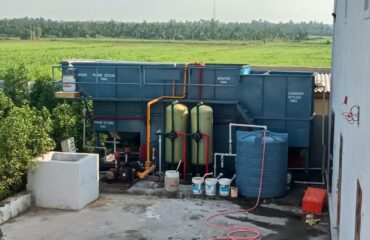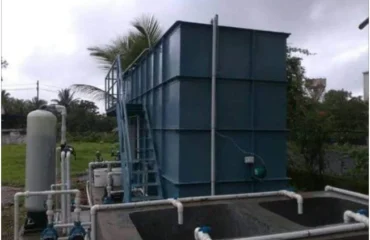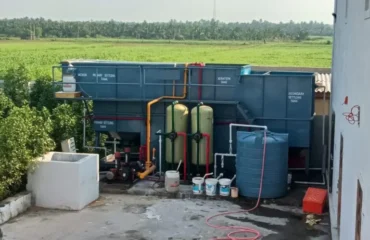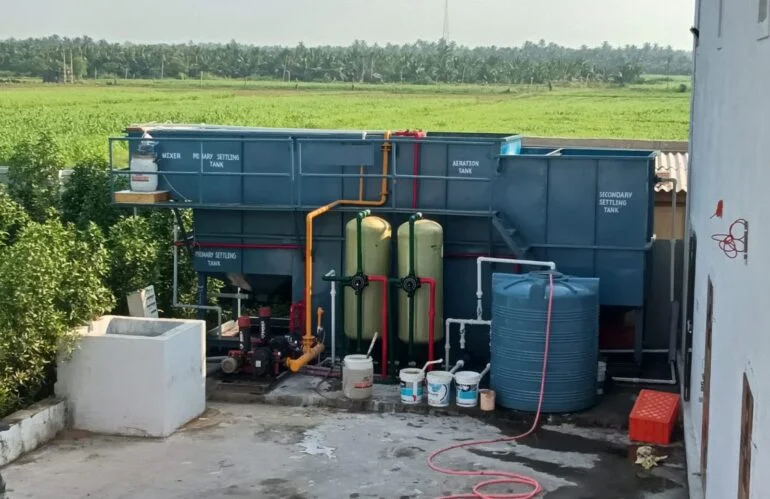
In a rapidly developing urban landscape like Bhimavaram, the demand for clean water and efficient waste management solutions is more critical than ever. As industries expand and populations grow, the challenge of treating wastewater effectively becomes paramount. This is where the expertise of Water Treatment Plant manufacturers in Bhimavaram plays a pivotal role, offering advanced solutions for a sustainable future. From industrial effluents to municipal sewage, modern Sewage Treatment Plants (STPs) are indispensable for protecting public health and preserving our precious environment.
The Growing Need for Advanced Water Treatment in Bhimavaram
Bhimavaram, a bustling hub, experiences significant economic and demographic growth. While this progress brings opportunities, it also intensifies the pressure on natural resources, particularly water. Untreated sewage and industrial wastewater pose severe threats:
- Environmental Degradation: Contamination of rivers, lakes, and groundwater sources.
- Public Health Risks: Spread of waterborne diseases.
- Ecosystem Imbalance: Harm to aquatic life and biodiversity.
Addressing these challenges requires robust infrastructure and reliable technology, precisely what leading STP plant manufacturers provide. Investing in a high-quality sewage treatment plant is not just a regulatory compliance measure; it’s a commitment to community well-being and ecological balance.
Understanding Sewage Treatment Plants (STPs) and Their Significance
A Sewage Treatment Plant (STP) is a facility designed to remove contaminants from wastewater and household sewage, producing an effluent that is suitable for discharge to the natural environment or for reuse. The goal is to reduce the environmental impact of wastewater and, in many cases, recover valuable resources like treated water and biosolids.
The significance of STPs cannot be overstated:
- Pollution Control: Preventing harmful pollutants from entering water bodies.
- Resource Recovery: Enabling the reuse of treated water for irrigation, industrial processes, or toilet flushing, thereby conserving freshwater resources.
- Public Health Protection: Eliminating pathogens and disease-causing microorganisms.
- Regulatory Compliance: Helping industries and municipalities adhere to stringent environmental norms set by authorities like the Pollution Control Board.
When you search for “Sewage treatment plant” solutions, you’re looking for partners who can deliver these critical benefits. The right STP plant manufacturer in India understands the diverse needs and regulatory landscapes across the country.
Why Choose a Local Water Treatment Plant Manufacturer in Bhimavaram?
While global expertise is valuable, partnering with a local Water Treatment Plant manufacturer in Bhimavaram offers distinct advantages:
- Prompt Service & Support: Faster response times for installation, maintenance, and emergency repairs.
- Understanding Local Regulations: Familiarity with specific environmental policies and compliance requirements in Andhra Pradesh.
- Logistical Efficiency: Reduced transportation costs and quicker delivery of equipment and parts.
- Personalized Consultation: Local experts can conduct on-site assessments more easily, leading to tailored solutions that precisely fit your needs.
- Community Investment: Supporting local businesses contributes to the regional economy.
For those in Bhimavaram and surrounding areas, searching for “STP plant manufacturers near me” is a smart first step towards finding a reliable, accessible, and responsive partner.
Key Considerations When Selecting STP Plant Manufacturers
Choosing the right partner is crucial for the long-term success and efficiency of your sewage treatment project. Here’s what to look for:
- Experience and Track Record: Look for manufacturers with a proven history of designing, installing, and commissioning successful STPs. Case studies and client testimonials are excellent indicators.
- Technological Prowess: The best STP Plant manufacturers utilize cutting-edge technology for maximum efficiency, energy conservation, and effluent quality. Ask about their R&D efforts.
- Customization Capabilities: Every project has unique requirements. A good manufacturer should be able to design a plant that fits your specific flow rates, waste characteristics, and space constraints.
- Quality of Components: Ensure they use high-grade materials and reliable components to guarantee durability and minimize breakdowns.
- After-Sales Service and AMC: Post-installation support, including operational training, regular maintenance, and Annual Maintenance Contracts (AMCs), is vital for optimal performance.
- Environmental Compliance & Certifications: Verify that their solutions meet or exceed national and international environmental standards.
- Cost-Effectiveness (Lifecycle Cost): While initial investment matters, consider the total lifecycle cost, including operational expenses, energy consumption, and maintenance.
Whether you’re targeting the “Top 10 STP manufacturers in India” or focusing locally, these criteria will help you make an informed decision.
Types of Sewage Treatment Plants Offered by Leading Manufacturers
Modern Sewage treatment plant technologies are diverse, each suited for different scales and wastewater characteristics:
- Activated Sludge Process (ASP): A widely used biological treatment method where air is introduced to promote microbial growth, breaking down organic matter. It’s robust and effective for municipal and industrial wastewater.
- Sequential Batch Reactor (SBR): A fill-and-draw activated sludge system where all treatment steps occur in a single tank, but in sequence. SBRs are highly flexible and suitable for varying flow rates.
- Membrane Bioreactor (MBR): Combines activated sludge treatment with membrane filtration. MBRs produce exceptionally high-quality effluent suitable for reuse and require a smaller footprint. Many leading STP Plant manufacturers in India now offer MBR solutions.
- Moving Bed Biofilm Reactor (MBBR): Utilizes small plastic carriers to provide a surface for biofilm growth. MBBRs are compact, efficient, and offer high treatment capacity with minimal operational complexity.
- Fixed-Film Bioreactors (FBBR): Similar to MBBRs but with fixed media. These are known for their stability and resilience to shock loads.
- Root Zone Treatment (RZT) / Constructed Wetlands: Natural, low-cost options often used for smaller communities or as tertiary treatment, utilizing plants and soil to filter pollutants.
The choice of technology depends on factors like influent quality, desired effluent standards, land availability, and budget. Experienced STP plant manufacturers will guide you through this selection process.
The Process: How a Sewage Treatment Plant Works
While technologies vary, the fundamental steps in a typical Sewage treatment plant remain consistent:
- Preliminary Treatment:
- Screening: Removal of large solids (rags, plastics) using bar screens.
- Grit Removal: Sedimentation of inorganic heavy particles like sand and gravel in grit chambers.
- Primary Treatment:
- Primary Clarification: Wastewater flows into large tanks where heavier organic solids settle at the bottom (primary sludge), and lighter materials float to the surface (scum).
- Secondary Treatment (Biological Treatment):
- Aeration: The wastewater is moved to aeration tanks where air is introduced. This promotes the growth of aerobic microorganisms that consume dissolved and colloidal organic matter.
- Secondary Clarification: The treated water then enters secondary clarifiers, where the activated sludge (microorganisms) settles, separating from the treated water.
- Tertiary Treatment (Advanced Treatment, optional but often crucial):
- Filtration: Further removal of suspended solids using sand filters or membrane filtration.
- Disinfection: Killing any remaining pathogens using chlorine, UV radiation, or ozone.
- Sludge Treatment: The accumulated sludge from primary and secondary treatment is further processed (thickening, digestion, dewatering) to reduce its volume and stabilize it before safe disposal or beneficial reuse.
This multi-stage process ensures that the discharged water is environmentally safe and often suitable for various non-potable applications.
Benefits of Installing a Modern Sewage Treatment Plant
Implementing a state-of-the-art Sewage treatment plant brings a multitude of advantages:
- Environmental Stewardship: Directly contributes to the preservation of local ecosystems and biodiversity by preventing water pollution.
- Water Conservation: Treated wastewater can be reused for purposes such as gardening, industrial cooling, toilet flushing, and groundwater recharge, easing the pressure on freshwater sources.
- Public Health and Safety: Significantly reduces the risk of waterborne diseases, ensuring a healthier community.
- Compliance and Reputation: Helps industries and urban bodies comply with strict environmental regulations, avoiding hefty fines and enhancing corporate social responsibility.
- Sustainable Development: Fosters a sustainable urban environment, supporting long-term growth without compromising natural resources.
- Odor Control: Modern STPs are designed to minimize unpleasant odors, improving the quality of life in surrounding areas.
These benefits highlight why engaging with competent STP plant manufacturers is a strategic decision for any entity generating wastewater.
Finding the Best STP Plant Manufacturers in Bhimavaram
To identify the ideal Water Treatment Plant manufacturers in Bhimavaram, consider the following approach:
- Online Research: Start with targeted searches for “STP plant manufacturer,” “STP plant manufacturer in India,” and “STP Plant manufacturers near me” to compile a list of potential vendors.
- Industry References: Seek recommendations from other businesses, municipal bodies, or consultants who have undertaken similar projects.
- Evaluate Portfolios: Review their past projects, focusing on those similar in scale and scope to your requirements.
- Request Detailed Proposals: Ask for comprehensive proposals that outline technology, design, cost, installation timeline, and after-sales support.
- Site Visits/Consultations: If possible, visit their existing installations or arrange detailed consultations to assess their capabilities firsthand.
- Compare Offerings: Don’t just compare prices. Evaluate the overall value, including technology, quality, service, and warranty.
Engaging with the right manufacturer ensures that your investment in a Sewage treatment plant yields maximum returns in terms of efficiency, compliance, and sustainability.
Conclusion: A Sustainable Future with Effective Water Treatment
The journey towards a cleaner, healthier Bhimavaram heavily relies on effective wastewater management. Investing in advanced Sewage Treatment Plants is not merely an expense but a crucial investment in environmental protection, public health, and sustainable development. By partnering with experienced and reliable Water Treatment Plant manufacturers in Bhimavaram, you ensure access to cutting-edge technology, expert guidance, and robust support, paving the way for a greener and more prosperous future.
Make the smart choice for your community or industry. Connect with leading STP Plant manufacturers today and contribute to Bhimavaram’s sustainable growth story.
Frequently Asked Questions (FAQs)
- Q: What is the primary purpose of a Sewage Treatment Plant (STP)?
- A: The primary purpose of an STP is to remove contaminants from wastewater and household sewage, treating it to a quality suitable for safe discharge into the environment or for reuse in non-potable applications, thereby protecting public health and preserving water resources.
- Q: How do I choose the right STP plant manufacturer in Bhimavaram?
- A: To choose the right manufacturer, consider their experience, technological expertise, ability to customize solutions, quality of components, after-sales service, and compliance with environmental regulations. Look for local support and a proven track record.
- Q: What are the different types of technologies used in STPs?
- A: Common STP technologies include Activated Sludge Process (ASP), Sequential Batch Reactor (SBR), Membrane Bioreactor (MBR), and Moving Bed Biofilm Reactor (MBBR). Each has specific advantages depending on the project’s scale, waste characteristics, and desired effluent quality.
- Q: Can treated water from an STP be reused?
- A: Yes, treated water from an advanced STP (especially with tertiary treatment) can be safely reused for various non-potable purposes such as irrigation, industrial cooling, toilet flushing, and groundwater recharge, significantly contributing to water conservation.
- Q: What are the long-term benefits of installing a modern sewage treatment plant?
- A: Long-term benefits include environmental protection, reduced risk of waterborne diseases, compliance with environmental regulations, water conservation through reuse, improved public health, and enhanced sustainable development for communities and industries.