Sewage Water Treatment Plant in Guwahati: Top Manufacturers and Solutions
The rapidly growing city of Guwahati, a bustling urban centre in Northeast India, faces the inevitable challenge of managing its urban waste effectively. As populations expand and development surges across industries and residential sectors, the need for efficient and sustainable infrastructure becomes paramount. Among the most critical components of this infrastructure are robust Sewage Treatment Plants (STPs). These advanced facilities play a pivotal role in safeguarding public health, protecting the environment, and ensuring the long-term liveability of the city. This comprehensive guide delves into the world of Water Treatment Plant manufacturers in Guwahati, exploring their significance, the cutting-edge technologies they employ, and how to choose the right partner for your wastewater management needs.
The Growing Imperative for Advanced Sewage Treatment in Guwahati
Guwahati’s dynamic growth brings with it a substantial increase in wastewater generation. The untreated discharge of sewage poses severe risks to the iconic Brahmaputra River and its numerous tributaries, leading to widespread contamination of vital water sources and threatening precious aquatic ecosystems. Beyond environmental degradation, untreated sewage creates significant public health hazards for residents, increasing the prevalence of waterborne diseases. Therefore, the presence of effective sewage treatment solutions is not merely an environmental necessity but an urgent public health mandate for Guwahati’s sustainable future.
- Urbanization Challenges: Rapid population influx and industrial expansion strain existing wastewater management infrastructure, necessitating modern STPs.
- Environmental Impact: Untreated effluent contaminates water bodies, depleting oxygen levels and causing a severe loss of biodiversity.
- Public Health Concerns: The spread of waterborne pathogens can lead to epidemics, making robust sewage treatment critical for community well-being.
Understanding Sewage Treatment Plants (STPs): A Closer Look at the Process
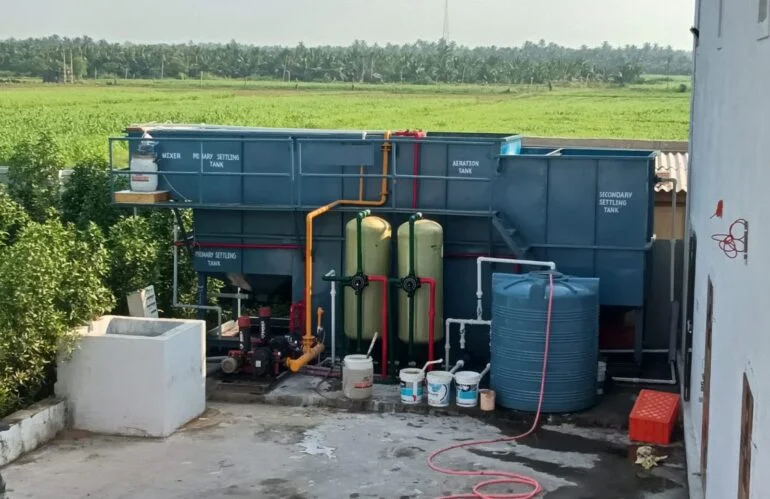
A Sewage treatment plant (STP) is a dedicated facility engineered to remove contaminants from municipal wastewater and household sewage. Its fundamental goal is to produce an effluent (treated water) that is environmentally safe to discharge into natural water bodies or suitable for various reuse applications. Modern STPs employ a sophisticated combination of physical, chemical, and biological processes to achieve high-quality treated water that meets stringent regulatory standards.
Key Stages of Sewage Treatment:
- Primary Treatment: This initial stage involves the mechanical removal of large solids through screening processes and the settling of heavier inorganic matter in grit chambers. Following this, primary sedimentation tanks allow suspended solids to settle out, significantly reducing the solid load.
- Secondary Treatment: The heart of biological treatment, this stage utilizes microorganisms (bacteria and other microbes) in aerobic or anaerobic conditions to break down dissolved organic matter. Common and effective technologies deployed by a leading stp plant manufacturer include the Activated Sludge Process (ASP), Moving Bed Biofilm Reactor (MBBR), Sequential Batch Reactor (SBR), and Submerged Aerated Filter (SAF). These processes are crucial for reducing the Biological Oxygen Demand (BOD) and Chemical Oxygen Demand (COD).
- Tertiary Treatment: This advanced purification stage is designed to remove remaining pollutants like nitrogen, phosphorus, and residual pathogens that might have passed through secondary treatment. Tertiary treatment can involve various processes such as sand filtration, activated carbon filtration, advanced oxidation processes, and disinfection techniques like chlorination, ultraviolet (UV) irradiation, or ozonation, ensuring the highest quality effluent for discharge or reuse.
Choosing the Right Water Treatment Plant Manufacturers in Guwahati
Identifying a reliable and efficient Water Treatment Plant manufacturer in Guwahati is paramount for the success and long-term viability of your sewage treatment project. The market offers a range of options, but discerning quality, expertise, and commitment to sustainability is key. Here’s what to consider when making your selection:
- Experience and Proven Track Record: Look for manufacturers with extensive experience in designing, installing, and commissioning STPs of varying capacities and complexities. Their track record in handling specific wastewater characteristics relevant to Guwahati and meeting local regulations is a significant advantage.
- Technological Prowess and Innovation: A forward-thinking stp plant manufacturer should offer cutting-edge and energy-efficient technologies, such as Membrane Bioreactor (MBR) systems or Sequential Batch Reactor (SBR) systems, which provide superior effluent quality and often require a compact operational footprint, ideal for urban settings.
- Customization Capabilities: Every wastewater project has unique requirements concerning influent quality, effluent standards, and available space. A good STP Plant manufacturer will provide tailor-made solutions rather than generic, one-size-fits-all approaches, ensuring optimal performance.
- Compliance and Certifications: Ensure the manufacturer rigorously adheres to national and local environmental regulations and possesses relevant quality management certifications (e.g., ISO 9001, ISO 14001) that attest to their operational standards and commitment to environmental safety.
- After-Sales Service & Support: The long-term operational efficiency and reliability of an STP depend heavily on prompt and effective after-sales service, including routine maintenance, spare parts availability, and technical troubleshooting. This aspect is critically important when selecting STP plant manufacturers near me for consistent support.
- Cost-Effectiveness & Return on Investment (ROI): While the initial investment is a factor, it is crucial to consider the total lifecycle cost, including energy consumption, chemical usage, and operational expenses, to determine the true value and long-term return on investment.
When conducting your research for a “STP plant manufacturer in india” or specifically focusing on “Water Treatment Plant manufacturers in Guwahati“, it is highly advisable to request detailed case studies, client testimonials, and, if possible, visit existing installations to observe their performance firsthand. This diligent approach helps in shortlisting reputable companies, including those often considered among the “Top 10 STP manufacturers in India” who possess the capability and expertise to serve the Guwahati region effectively.
The Profound Benefits of Investing in a Quality Sewage Treatment Plant
Investing in a state-of-the-art Sewage treatment plant yields manifold benefits that extend to individuals, communities, and the broader environment, fostering sustainable development:
- Environmental Protection: By treating wastewater, STPs actively prevent the pollution of precious natural resources such as rivers, lakes, and groundwater, thereby preserving vital aquatic ecosystems and biodiversity.
- Public Health Improvement: Effective sewage treatment significantly reduces the spread of waterborne diseases like cholera, typhoid, and dysentery, dramatically enhancing community health and reducing healthcare burdens.
- Resource Recovery and Water Conservation: Treated wastewater can be safely reused for various non-potable applications, including agricultural irrigation, industrial cooling processes, landscaping, and toilet flushing. This practice significantly conserves dwindling fresh water resources, a critical aspect of sustainable water solutions for India.
- Regulatory Compliance: For industries, large residential complexes, and commercial establishments, installing and operating an STP ensures adherence to increasingly stringent environmental discharge standards and local regulatory mandates.
- Sustainable Development: Contributing to the overall sustainability goals of Guwahati, investing in robust STPs promotes responsible wastewater management best practices, paving the way for a greener and healthier urban environment.
Finding Your Ideal STP Partner: Tips for Guwahati Businesses and Residents
Whether you represent a housing society, an industrial complex, a commercial establishment, or a municipal body, finding the right Sewage treatment plant provider in Guwahati requires a structured and informed approach. Begin by meticulously defining your specific project requirements: consider the wastewater generation capacity, the desired effluent quality, the available space for installation, and your allocated budget. Subsequently, research and evaluate both local and national manufacturers. A strong local presence can often translate to quicker response times for essential service and maintenance, which is a significant operational advantage when you are actively looking for “STP plant Manufacturers near me“. Do not hesitate to meticulously compare quotes, assess the technologies offered, scrutinize service packages, and thoroughly check references to make an informed decision.
Conclusion: Paving the Way for a Cleaner, Greener Guwahati
The journey towards a cleaner, healthier, and more environmentally sustainable Guwahati is intrinsically linked to its capability to manage and treat wastewater effectively. In this crucial endeavour, the role of competent and reliable Water Treatment Plant manufacturers in Guwahati is absolutely indispensable. By carefully selecting the right STP plant manufacturer—one that is equipped with advanced technology, possesses extensive expertise, and is deeply committed to environmental stewardship—Guwahati can confidently ensure a future where its precious water resources are protected, its communities thrive in better health, and its environmental footprint is significantly reduced. Make an informed and responsible decision today for a greener, more prosperous tomorrow.
Frequently Asked Questions (FAQs)
- Q1: What is the primary purpose of a Sewage Treatment Plant (STP)?
- A1: The primary purpose of an STP is to remove physical, chemical, and biological contaminants from domestic and industrial wastewater, producing treated effluent that is safe for discharge into the environment or for reuse, thereby protecting public health, water bodies, and fostering sustainability.
- Q2: How do I choose the best STP plant manufacturer in Guwahati?
- A2: To choose the best STP plant manufacturer, look for extensive experience, a strong track record of successful projects, advanced technological offerings (like MBR or SBR), proven customization capabilities, strict compliance with environmental standards, and excellent, responsive after-sales service and support. Consider their local presence in Guwahati for quicker assistance and operational efficiency.
- Q3: What are the different types of technologies used in STPs?
- A3: Common and effective STP technologies include the Conventional Activated Sludge Process (ASP), Moving Bed Biofilm Reactor (MBBR), Sequential Batch Reactor (SBR), Membrane Bioreactor (MBR), and Upflow Anaerobic Sludge Blanket (UASB) reactors, among others. The optimal choice depends on factors such as influent wastewater quality, desired effluent quality, available space, and budget.
- Q4: Is it mandatory to have an STP for commercial or residential complexes in Guwahati?
- A4: Regulations regarding mandatory STPs vary by location, the size, and the type of the complex (e.g., residential society, commercial building, industrial unit). Generally, large residential societies, commercial establishments, and industries are often mandated by environmental authorities to install and operate STPs to treat their wastewater before discharge to comply with strict environmental norms. It is always best to consult with the local municipal and environmental regulatory bodies in Guwahati for precise and up-to-date requirements.
- Q5: What are the long-term benefits of installing an STP?
- A5: The long-term benefits of installing a high-quality STP are multifaceted and significant: they include robust environmental protection (by preventing water pollution and preserving ecosystems), substantial improvement in public health (by curbing waterborne diseases), excellent potential for water reuse (thereby reducing fresh water consumption), consistent compliance with environmental regulations, and a substantial positive contribution to the overall sustainable urban development of the region.