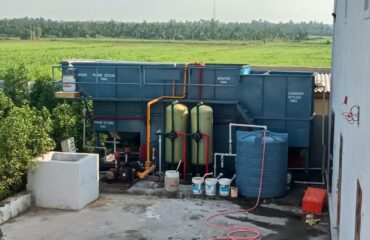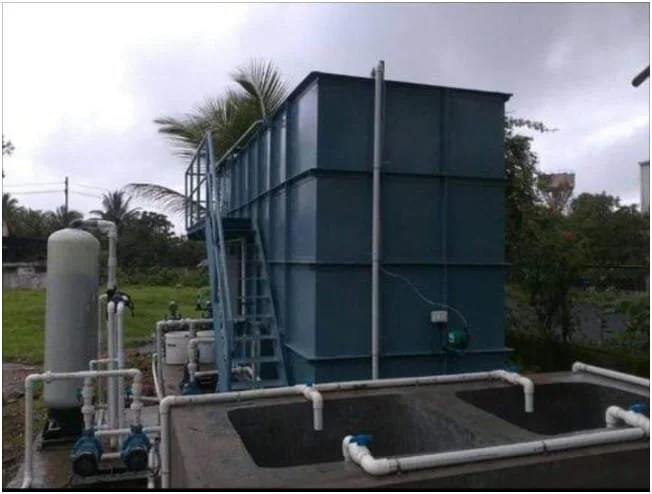
Introduction: Wayanad’s Imperative for Pure Water
Water is the lifeblood of our planet, and its purity is an indispensable asset. In the verdant landscapes of Wayanad, a jewel in Kerala’s crown, the imperative to preserve its natural splendor and safeguard public health has never been more pressing. With burgeoning populations, increasing urbanization, and a thriving tourism sector, the generation of wastewater is inevitable. Untreated sewage, if left unchecked, poses a grave threat to Wayanad’s pristine rivers, serene lakes, and delicate ecosystems. This is where the pivotal role of Sewage Treatment Plants (STPs) comes into focus, serving as essential guardians of our environment. This comprehensive guide is meticulously crafted to navigate the landscape of Water Treatment Plant manufacturers in Wayanad, offering profound insights into their crucial significance, the cutting-edge technologies they employ, and the discerning criteria for selecting the ideal partner to meet your specific wastewater management requirements.
Why Wayanad Needs Effective Sewage Treatment
Wayanad, renowned for its luxuriant forests, tranquil water bodies, and vibrant cultural heritage, faces a unique confluence of environmental and developmental challenges that underscore the critical need for advanced sewage treatment infrastructure.
-
Environmental Preservation at Stake
The discharge of raw or inadequately treated sewage directly contaminates vital water sources, leading to eutrophication, a process that depletes oxygen and devastates aquatic life. This ecological imbalance not only harms fish and other organisms but also undermines the biodiversity that makes Wayanad so special. Effective STPs are the frontline defense against such degradation, ensuring that effluent discharged into natural systems meets stringent quality standards.
-
Mitigating Public Health Risks
Contaminated water is a primary vector for numerous waterborne diseases, including cholera, typhoid, dysentery, and hepatitis. For both the local populace and the thousands of tourists who flock to Wayanad annually, access to clean water is a fundamental right and a public health imperative. By thoroughly treating sewage, STPs eliminate harmful pathogens, thereby drastically reducing the incidence of these diseases and fostering a healthier community.
-
Sustaining the Tourism Economy
Wayanad’s economy is significantly bolstered by its tourism industry, which thrives on the allure of its untouched natural beauty. A reputation for environmental stewardship, bolstered by advanced wastewater treatment, is paramount for attracting and retaining tourists. Sustainable practices, including robust sewage treatment, signal a commitment to preserving the very assets that draw visitors, ensuring the long-term viability and growth of this crucial sector.
-
Adherence to Regulatory Mandates
Indian environmental laws and regulations, notably those enforced by the Central Pollution Control Board (CPCB) and State Pollution Control Boards, increasingly mandate proper wastewater treatment for all significant establishments, including hotels, resorts, residential complexes, and industrial units. Non-compliance can lead to hefty fines, legal repercussions, and severe reputational damage. Collaborating with compliant Water Treatment Plant manufacturers in Wayanad ensures that your facility meets all statutory requirements, operating within legal frameworks.
Understanding Sewage Treatment Plants (STPs) and Their Processes
A Sewage treatment plant is a sophisticated engineering marvel designed to meticulously remove physical, chemical, and biological contaminants from domestic wastewater and industrial effluents. The overarching goal is to produce an effluent that is environmentally safe for discharge into natural water bodies or suitable for various reuse applications. The typical multi-stage process unfolds as follows:
-
Preliminary Treatment
This initial stage focuses on the removal of large, easily separable solids. This includes screening out rags, plastics, and debris, followed by grit removal, where sand, gravel, and other inert materials settle out in grit chambers. This step is crucial to protect downstream equipment from damage and blockages.
-
Primary Treatment
Following preliminary treatment, wastewater flows into large sedimentation tanks (primary clarifiers). Here, heavier organic and inorganic solids settle to the bottom, forming primary sludge, while lighter materials like oil and grease float to the surface and are skimmed off. This physical process removes a significant portion of suspended solids and biochemical oxygen demand (BOD).
-
Secondary Treatment
This is the biological heart of the STP. Microorganisms (bacteria and other microbes) are utilized to break down dissolved and colloidal organic matter that remained after primary treatment. Common secondary treatment methods include:
- Activated Sludge Process (ASP): Wastewater is aerated in a tank with a suspension of microorganisms, which consume organic pollutants.
- Trickling Filters: Wastewater is trickled over a bed of media (rocks, plastic) where a biofilm of microbes grows and metabolizes pollutants.
- Rotating Biological Contactors (RBCs): Discs rotate through wastewater, developing a biofilm that treats the water.
-
Tertiary Treatment (Advanced Treatment)
This optional but increasingly common stage provides an additional level of purification, especially when the treated water needs to meet very high discharge standards or is intended for reuse. Tertiary treatment processes may include:
- Filtration: Using sand filters, activated carbon filters, or membrane filters to remove remaining suspended solids and some dissolved contaminants.
- Disinfection: Employing chlorine, ultraviolet (UV) radiation, or ozone to kill any residual pathogens, ensuring the water is microbiologically safe.
- Nutrient Removal: Advanced biological or chemical processes to remove nitrogen and phosphorus, which can cause eutrophication.
Advanced STP Technologies Offered by Leading STP Plant Manufacturers
Modern STP plant manufacturers continuously innovate, deploying a diverse array of technologies to cater to varying capacities, influent qualities, and desired effluent standards. The choice of technology significantly impacts efficiency, footprint, and operational costs.
-
Activated Sludge Process (ASP)
While a traditional secondary treatment method, modern ASPs often incorporate advanced aeration systems and control strategies for enhanced efficiency and nutrient removal. They are robust and suitable for large municipal plants.
-
Moving Bed Biofilm Reactor (MBBR)
This technology utilizes thousands of small, plastic carriers that provide a protected surface area for biofilm growth. MBBR systems are known for their compact footprint, high treatment efficiency, and resilience to shock loads, making them ideal for sites with limited space or fluctuating wastewater flows. Many STP plant manufacturers in India favour MBBR for its operational flexibility.
-
Sequential Batch Reactor (SBR)
An SBR operates as a “fill and draw” activated sludge system, where all treatment steps (aeration, settling, decanting) occur in a single tank, albeit sequentially. SBRs offer excellent effluent quality, are highly adaptable to varying flow rates, and require less space than conventional activated sludge systems, making them popular among STP Plant manufacturers for smaller to medium-sized applications.
-
Membrane Bioreactor (MBR)
Representing a significant leap in wastewater treatment, MBR technology combines the activated sludge process with membrane filtration (microfiltration or ultrafiltration). The membranes replace conventional secondary clarifiers and tertiary filtration, producing exceptionally high-quality effluent virtually free of suspended solids, bacteria, and viruses. MBRs require a smaller footprint and are excellent for water reuse applications, though they come with higher capital and operational costs.
-
Fixed Film Bioreactors
These systems employ media where microorganisms attach and grow as a biofilm. Examples include submerged aerated filters (SAFs) and upflow anaerobic sludge blanket (UASB) reactors, which are energy-efficient for certain types of industrial wastewater.
Multifaceted Benefits of Installing a Sewage Treatment Plant
The decision to invest in a Sewage treatment plant transcends mere compliance; it is a strategic move that yields profound and lasting benefits across environmental, public health, and economic dimensions.
-
Unparalleled Environmental Preservation
The most immediate and tangible benefit is the dramatic reduction in water pollution. By preventing the discharge of raw sewage, STPs protect fragile aquatic ecosystems, preserve biodiversity, and maintain the aesthetic value of natural water bodies in Wayanad. This commitment safeguards the region’s natural capital for future generations.
-
Substantial Public Health Improvement
By eliminating pathogenic microorganisms and harmful chemicals from wastewater, STPs significantly mitigate the risk of waterborne diseases. This translates to healthier communities, reduced healthcare burdens, and increased overall well-being for residents and visitors alike.
-
Facilitating Water Reuse and Conservation
Treated effluent from advanced STPs can be a valuable resource. It can be safely reused for non-potable purposes such as irrigation (for agriculture, landscaping, golf courses), toilet flushing, industrial cooling, and even aquifer recharge. This practice drastically reduces the demand on dwindling freshwater resources, a critical advantage in a region prone to water stress, and exemplifies true water stewardship.
-
Ensuring Regulatory Adherence and Avoiding Penalties
Operating an STP ensures full compliance with environmental regulations, thereby safeguarding against costly fines, legal liabilities, and the potential for operational shutdowns. This regulatory security provides peace of mind and allows businesses and institutions to focus on their core activities without environmental compliance worries.
-
Enhancing Corporate and Community Reputation
For commercial establishments like hotels, resorts, and large residential communities, demonstrating a proactive stance on environmental responsibility through effective sewage treatment enhances brand image and reputation. It appeals to environmentally conscious consumers and residents, fostering trust and loyalty.
Key Considerations for Choosing the Right Water Treatment Plant Manufacturer in Wayanad
Selecting an appropriate Water Treatment Plant manufacturer in Wayanad is a decision that will impact the long-term efficiency, reliability, and cost-effectiveness of your wastewater management system. A thorough evaluation process is essential.
-
Extensive Experience and Proven Expertise
Prioritize manufacturers with a substantial track record in the design, construction, installation, and successful commissioning of various types of STPs. Request case studies, client testimonials, and references for projects similar in scope and complexity to yours. An experienced stp plant manufacturer understands regional challenges and can offer practical solutions.
-
Cutting-Edge Technology and Innovation
The field of wastewater treatment is constantly evolving. Ensure the manufacturer offers state-of-the-art, energy-efficient, and sustainable treatment technologies (like MBBR, SBR, MBR) that align with current best practices and future regulatory trends. They should be able to explain the pros and cons of each technology relative to your specific needs.
-
Capacity for Customization
Avoid one-size-fits-all solutions. A reputable manufacturer will conduct a detailed site assessment, analyze your influent wastewater characteristics, and understand your desired effluent quality to design a bespoke STP. Customization ensures optimal performance and cost-efficiency.
-
Adherence to Compliance and Certifications
Verify that the manufacturer’s designs and installations strictly comply with all relevant local (Kerala Pollution Control Board) and national (CPCB) environmental standards. Inquire about their quality management certifications (e.g., ISO 9001) and environmental management certifications (e.g., ISO 14001).
-
Robust After-Sales Service and Support
The relationship with your manufacturer extends beyond installation. Inquire about their commitment to post-installation support, including:
- Annual Maintenance Contracts (AMCs): Comprehensive plans for routine checks, preventive maintenance, and emergency repairs.
- Availability of Spare Parts: Ensuring quick access to essential components to minimize downtime.
- Technical Support: Prompt assistance for troubleshooting and operational queries.
- Operator Training: Providing thorough training for your staff to competently operate and maintain the plant.
-
Holistic Cost-Effectiveness
While the initial capital expenditure (CAPEX) is important, equally crucial are the operational expenditures (OPEX) over the plant’s lifecycle. This includes energy consumption, chemical usage, sludge disposal costs, and maintenance expenses. A good manufacturer will offer solutions that provide a superior return on investment (ROI) through efficient operation and longevity.
-
Safety Standards
Ensure the manufacturer adheres to strict safety protocols during design, fabrication, installation, and commissioning.
The Indispensable Role of Top STP Manufacturers in India
While local expertise in Wayanad is invaluable, recognizing the broader landscape of Top 10 STP manufacturers in India provides a benchmark for excellence. These leading companies often possess:
-
Extensive Research & Development Capabilities
They invest heavily in R&D, bringing forth innovative solutions that are more efficient, eco-friendly, and cost-effective.
-
Experience with Large-Scale and Complex Projects
Their portfolio often includes major municipal and industrial STP projects, indicating a capacity to handle complex engineering challenges.
-
Robust Supply Chain and Support Network
Larger manufacturers typically have a nationwide or even international presence, ensuring efficient logistics for equipment and prompt service support, even in remote locations like Wayanad.
-
Global Best Practices
They often integrate global best practices and technological advancements into their Indian operations, offering world-class solutions.
When evaluating Water Treatment Plant manufacturers in Wayanad, consider whether local providers collaborate with or leverage technologies from these national leaders, offering a hybrid advantage of local service and national-level expertise.
Finding “STP Plant Manufacturers Near Me” in Wayanad: The Local Advantage
For projects specifically located in Wayanad, prioritizing a search for “STP plant Manufacturers near me” offers distinct advantages:
-
Geographic Proximity and Rapid Response
A local manufacturer can conduct swift site surveys, respond quickly to installation requirements, and provide emergency maintenance with minimal delay, significantly reducing potential downtime.
-
Intimate Knowledge of Local Conditions
Local manufacturers possess a deep understanding of Wayanad’s specific environmental regulations, climatic patterns (e.g., monsoon impact), and the unique characteristics of local wastewater. This local intelligence is crucial for designing a truly optimized and compliant system.
-
Streamlined Logistics and Support
Proximity simplifies the logistics of equipment delivery, material procurement, and the deployment of installation and service teams, leading to more efficient project execution.
-
Community Integration and Accountability
Local businesses often have a stronger vested interest in the community’s well-being and reputation. They are more accessible for ongoing support and are directly accountable to their local clientele.
When assessing options, weigh the benefits of a locally based Water Treatment Plant manufacturer in Wayanad against the broader capabilities of larger national firms. Often, the ideal solution might involve a national player with a strong regional presence or a robust local partner.
Comprehensive Service Offerings from an STP Plant Manufacturer in India
A truly professional STP plant manufacturer in India offers more than just equipment; they provide an end-to-end solution designed for seamless integration and long-term performance. Their service portfolio typically encompasses:
-
Initial Consultation and Detailed Feasibility Study
This critical first step involves understanding your specific needs, evaluating site conditions, analyzing influent wastewater characteristics, and determining the most suitable treatment technology and capacity.
-
Customized Design and Engineering
Based on the feasibility study, expert engineers develop a precise, tailor-made design for your STP, ensuring optimal efficiency, compliance, and cost-effectiveness. This includes detailed P&IDs (Piping and Instrumentation Diagrams), civil drawings, and electrical layouts.
-
High-Quality Manufacturing and Fabrication
The manufacturer fabricates all necessary components and equipment (tanks, pumps, blowers, control panels, media) using high-grade materials and strict quality control measures to ensure durability and reliability.
-
Professional Installation and Commissioning
Skilled technicians undertake the complete installation of the plant, followed by rigorous commissioning. This phase involves testing all systems, fine-tuning operational parameters, and ensuring the plant meets all design specifications and performance guarantees.
-
Thorough Operator Training and Handover
Comprehensive training is provided to your operational staff, covering daily operations, routine maintenance, troubleshooting, and safety protocols. A detailed operations and maintenance (O&M) manual is also provided.
-
Ongoing Annual Maintenance Contracts (AMCs)
To ensure the continuous, optimal performance of your STP, reputable manufacturers offer AMCs. These typically include periodic inspections, preventive maintenance, chemical replenishment, minor repairs, and emergency support, safeguarding your investment and ensuring long-term efficiency.
Conclusion: A Sustainable Future for Wayanad
In the breathtaking expanse of Wayanad, the commitment to environmental stewardship is not merely an aspiration but a fundamental necessity for its sustainable future. The strategic decision to partner with experienced and reputable Water Treatment Plant manufacturers in Wayanad represents a pivotal step towards realizing this commitment. By thoroughly understanding the diverse array of available technologies, recognizing the multifaceted benefits of effective wastewater treatment, and meticulously evaluating the key criteria for selecting a manufacturer, you are empowered to make an informed choice. This choice will not only ensure compliance with environmental regulations but will also profoundly contribute to a cleaner, healthier, and more vibrant Wayanad for generations to come. Invest wisely in a quality sewage treatment plant today, and actively participate in safeguarding the pristine allure of this cherished region.