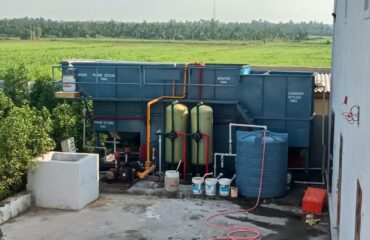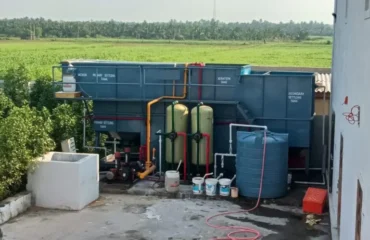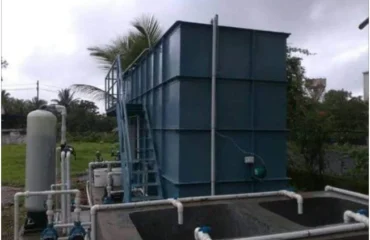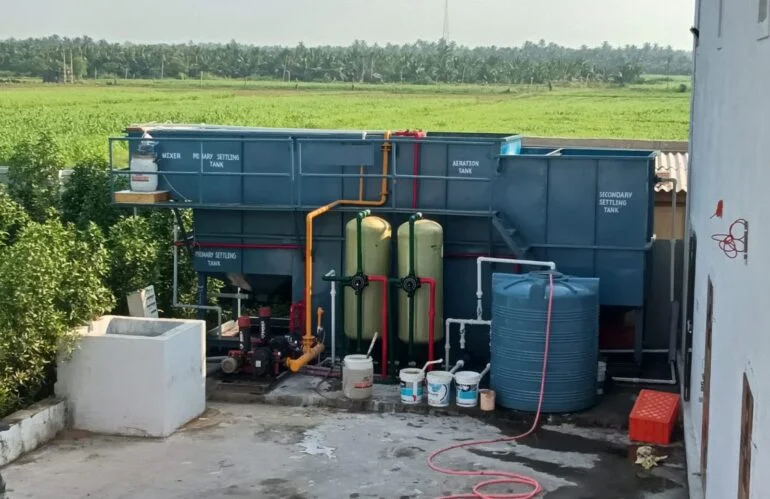
In the heart of India, Bhopal stands as a testament to both rich history and rapid modernization. However, with urban growth comes increasing demands on infrastructure, particularly in waste management. Among the most critical aspects is the treatment of wastewater. For industries, residential complexes, and municipalities, finding reliable Water Treatment Plant manufacturers in Bhopal is not just a convenience—it’s an environmental imperative and a legal necessity.
A well-functioning Sewage Treatment Plant (STP) is the cornerstone of responsible water management. These plants purify wastewater, removing contaminants and making it safe for discharge into the environment or even for reuse. This not only protects our natural water bodies but also contributes significantly to a sustainable future for Bhopal and beyond.
The Growing Need for Sewage Treatment in Bhopal
Bhopal’s population has expanded significantly over the past decades, leading to a proportional increase in domestic and industrial wastewater generation. Untreated sewage can contaminate rivers, lakes, and groundwater, posing severe health risks and ecological damage. This escalating challenge underscores the urgent demand for advanced and efficient sewage treatment solutions.
Every responsible entity, from large-scale industries to community housing societies, must consider installing an effective Sewage treatment plant. The regulatory framework in India is also becoming stricter, pushing for greater compliance in wastewater management. Therefore, partnering with an experienced stp plant manufacturer becomes crucial for navigating these requirements successfully.
Understanding STP Plants: Your Guide to Sustainable Water Management
A STP Plant is a complex system designed to treat wastewater from various sources. The primary goal is to convert harmful effluents into environmentally safe water. These plants employ a series of physical, chemical, and biological processes to remove pollutants.
There are several types of STP technologies available, each suited for different scales and qualities of wastewater. Common types include:
- Activated Sludge Process (ASP): A widely used biological treatment method.
- Moving Bed Biofilm Reactor (MBBR): Compact and efficient, often used for upgrading existing plants.
- Sequential Batch Reactor (SBR): An intermittent process that performs equalization, aeration, and clarification in a single tank.
- Membrane Bioreactor (MBR): Combines activated sludge treatment with membrane filtration for high-quality effluent.
Choosing the right technology requires expert guidance, which is precisely where reputable STP Plant manufacturers prove invaluable. They can assess your specific needs and recommend the most suitable and cost-effective solution.
Key Components of an Efficient STP Plant
An effective Sewage treatment plant typically involves several stages to ensure thorough purification:
- Preliminary Treatment: Involves screening to remove large solids like rags, plastics, and grit.
- Primary Treatment: Sedimentation tanks allow heavier organic solids to settle, forming sludge.
- Secondary Treatment: Biological processes, often using aeration, break down dissolved organic matter. This is where bacteria consume pollutants.
- Tertiary Treatment: Advanced treatment to remove remaining pollutants, nutrients (nitrogen, phosphorus), and pathogens. This might include filtration, UV disinfection, or chemical treatment.
- Sludge Treatment: The solid waste (sludge) collected during treatment is further processed for safe disposal or beneficial reuse.
Each stage is critical, and a proficient stp plant manufacturer in India will design a system that optimizes these processes for maximum efficiency.
Choosing the Right Water Treatment Plant Manufacturer in Bhopal
When selecting a partner for your sewage treatment needs, several factors come into play. It’s not just about installing a plant, but investing in a long-term solution.
Consider the following:
- Experience and Expertise: Look for manufacturers with a proven track record in designing, installing, and maintaining STPs for similar capacities and applications.
- Technology and Innovation: Ensure they use modern, energy-efficient technologies that comply with the latest environmental standards.
- Customization: Every project is unique. The manufacturer should be able to offer tailored solutions rather than one-size-fits-all products.
- Compliance and Certifications: Verify that their plants meet local and national regulatory standards for effluent discharge.
- After-Sales Service: Maintenance, spare parts, and technical support are crucial for the long-term performance of your plant. This is particularly important when considering STP plant Manufacturers near me for prompt service.
- Cost-Effectiveness: While initial investment is important, consider the operational costs, energy consumption, and longevity of the plant for overall value.
What to Look for in a Top STP Manufacturer in India
While a list of the “Top 10 STP manufacturers in India” might seem appealing, it’s more important to focus on the qualities that make a manufacturer reliable:
- Reputation: Check client testimonials, case studies, and industry recognition.
- R&D Capabilities: Companies that invest in research and development often offer more advanced and sustainable solutions.
- Project Management: A seamless execution from design to commissioning is a hallmark of a professional manufacturer.
- Environmental Responsibility: Partner with companies that genuinely prioritize sustainability and environmental protection in their solutions.
The Benefits of Investing in a High-Quality Sewage Treatment Plant
Installing a state-of-the-art Sewage treatment plant offers a multitude of advantages beyond mere compliance:
- Environmental Protection: Prevents pollution of rivers, lakes, and groundwater, preserving ecosystems and biodiversity.
- Public Health Safety: Reduces the spread of waterborne diseases by treating pathogens in wastewater.
- Water Reuse Potential: Treated water can be safely reused for non-potable purposes such as irrigation, industrial cooling, and toilet flushing, conserving fresh water resources. This is a significant step towards sustainable water management.
- Cost Savings: Reduced dependence on fresh water supplies and avoiding hefty fines for non-compliance can lead to substantial long-term savings.
- Resource Recovery: Some advanced STPs can recover valuable resources like biogas (from sludge digestion) or nutrients.
- Enhanced Reputation: Demonstrates corporate social responsibility and commitment to sustainability.
The Process: How a Sewage Treatment Plant Works
Understanding the basic working principle of an STP can help you appreciate the complexity and importance of these systems. While technologies vary, the core stages remain consistent:
- Collection: Wastewater from homes, businesses, and industries is collected and channeled to the STP.
- Screening & Grit Removal: Large debris (rags, plastics) and heavier grit (sand, gravel) are removed to protect equipment and prevent clogging.
- Primary Clarification: Wastewater flows into large tanks where solids settle to the bottom (primary sludge) and lighter materials float to the top (scum). Both are removed.
- Aeration & Biological Treatment: The primary effluent enters aeration tanks where air is pumped in to encourage the growth of aerobic bacteria. These microorganisms consume organic pollutants.
- Secondary Clarification: The biologically treated water moves to secondary clarifiers, where the activated sludge (containing the microorganisms) settles out and is largely recycled back to the aeration tanks.
- Disinfection: The clarified water is disinfected, typically using chlorine, UV radiation, or ozone, to kill remaining harmful bacteria and viruses.
- Effluent Discharge/Reuse: The treated and disinfected water (effluent) is then safely discharged into a body of water or directed for reuse applications.
This multi-stage process, meticulously designed by leading Water Treatment Plant manufacturers in Bhopal, ensures that the water returned to the environment is clean and safe.
Why Local “STP Plant Manufacturers in Bhopal” Matter
Opting for a local stp plant manufacturer in India, specifically within Bhopal or its vicinity, offers distinct advantages:
- Proximity for Support: Easier access for installation, commissioning, routine maintenance, and emergency repairs. This means less downtime and more efficient operation.
- Understanding Local Regulations: Local manufacturers are often more familiar with the specific environmental regulations and compliance standards set by the Madhya Pradesh Pollution Control Board (MPPCB).
- Faster Response Times: In case of any operational issues, a local team can respond quickly, minimizing potential disruptions.
- Local Economy Boost: Supports local businesses and creates employment opportunities within the region.
- Personalized Service: Often provides a more personalized and dedicated service experience, building stronger client relationships.
When you search for “STP plant Manufacturers near me” in Bhopal, you’re not just looking for convenience; you’re seeking a partner who understands the local context and can provide timely, effective solutions.
Conclusion: Partnering for a Cleaner Bhopal
The sustainable management of wastewater is paramount for Bhopal’s future. Investing in a high-quality Sewage treatment plant is a commitment to public health, environmental protection, and regulatory compliance. By carefully choosing experienced Water Treatment Plant manufacturers in Bhopal, you ensure that your facility benefits from cutting-edge technology, reliable service, and a partnership dedicated to a greener, cleaner city.
Don’t compromise on the quality of your water treatment solutions. Engage with reputable STP Plant manufacturers who can deliver tailored, efficient, and sustainable systems that meet the unique demands of your project in Bhopal. Secure your environmental future today.
Frequently Asked Questions about STP Plants
Here are some common questions regarding Sewage Treatment Plants:
- Q: What is the primary purpose of a Sewage Treatment Plant (STP)?
A: An STP’s main purpose is to remove contaminants from domestic and industrial wastewater, making it safe for discharge into the environment or for reuse. - Q: How do I choose the best Water Treatment Plant manufacturer in Bhopal?
A: Look for manufacturers with proven experience, advanced technology, compliance with environmental standards, good after-sales service, and a strong local presence. - Q: Are there different types of STP technologies?
A: Yes, common technologies include Activated Sludge Process (ASP), Moving Bed Biofilm Reactor (MBBR), Sequential Batch Reactor (SBR), and Membrane Bioreactor (MBR), each suitable for different requirements. - Q: What are the benefits of installing an STP plant?
A: Benefits include environmental protection, compliance with regulations, potential for water reuse, reduction in water bills, and improved public health. - Q: Is it important to select an “STP plant manufacturer in India” with local presence?
A: A local presence, especially from “STP Plant manufacturers near me,” ensures quicker response times for maintenance, readily available spare parts, and better understanding of regional regulations and conditions.