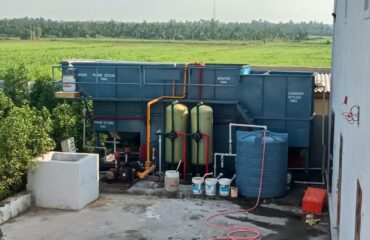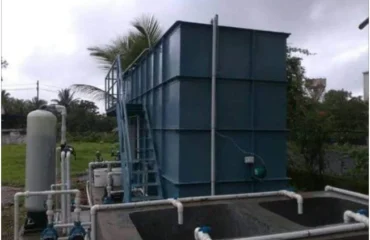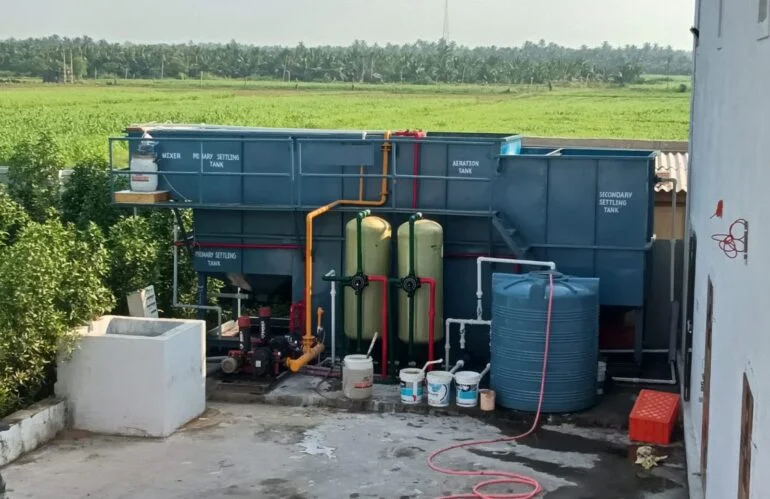
In the bustling urban landscape of Kalwa, Maharashtra, the demand for sustainable infrastructure solutions is more critical than ever. As populations grow and industrial activities expand, managing wastewater effectively becomes paramount not just for environmental preservation but for public health. This is where the pivotal role of Water Treatment Plant manufacturers in Kalwa comes into sharp focus. These specialized companies are at the forefront of designing, building, and maintaining advanced sewage treatment solutions that ensure our precious water resources are protected and reused responsibly.
This comprehensive guide delves into the world of sewage treatment plants (STPs), highlighting their importance, the technologies involved, and what makes a leading STP plant manufacturer in India stand out. Whether you are a municipality, an industrial complex, or a residential society, understanding the intricacies of wastewater management is the first step towards a greener, healthier future.
The Urgent Need for Sewage Treatment in Urban Centers like Kalwa
Urbanization, while bringing economic growth, also presents significant environmental challenges, particularly concerning wastewater management. Untreated sewage discharged into rivers, lakes, and oceans contaminates water bodies, harming aquatic life, polluting drinking water sources, and spreading diseases. For a rapidly developing area like Kalwa, robust sewage treatment infrastructure is not a luxury but a fundamental necessity.
- Environmental Protection: STPs remove harmful pollutants, pathogens, and nutrients from wastewater, preventing ecosystem degradation and preserving biodiversity.
- Public Health Safeguard: By treating sewage, the risk of waterborne diseases like cholera, typhoid, and dysentery is significantly reduced, protecting communities.
- Water Scarcity Mitigation: Treated wastewater can be safely reused for non-potable purposes such as irrigation, industrial cooling, and groundwater recharge, thereby conserving freshwater resources.
- Regulatory Compliance: Governments and environmental agencies worldwide enforce strict regulations on wastewater discharge. Reliable STPs ensure compliance, avoiding hefty fines and legal repercussions.
Understanding Sewage Treatment Plants (STP): How They Work
A Sewage Treatment Plant (STP) is a facility designed to remove contaminants from wastewater and household sewage to produce an effluent that is suitable for discharge into the natural environment or for reuse. The process typically involves several stages:
1. Preliminary Treatment
This stage involves screening to remove large objects like rags, plastics, and grit that could damage equipment or interfere with subsequent treatment stages.
2. Primary Treatment
Wastewater flows into large tanks, where heavier solids settle to the bottom as sludge, and lighter materials like oil and grease float to the surface as scum. Both are then removed.
3. Secondary Treatment
This is the biological treatment phase, where beneficial microorganisms consume dissolved organic matter. This can be achieved through various methods, including activated sludge processes, trickling filters, or rotating biological contactors. This stage significantly reduces the organic content of the wastewater.
4. Tertiary Treatment (Optional but Recommended)
Further treatment steps can be added depending on the desired quality of the effluent. This may include filtration (sand filters, activated carbon), disinfection (chlorination, UV radiation, ozonation) to kill remaining pathogens, and nutrient removal (nitrogen and phosphorus).
5. Sludge Treatment
The settled solids (sludge) from primary and secondary treatment are further processed to reduce their volume and stabilize them before disposal or beneficial reuse.
Types of STP Plants Offered by Manufacturers
The technological advancements in wastewater treatment have led to the development of various sophisticated STP models. Leading STP Plant manufacturers offer a range of solutions tailored to specific needs, capacities, and space constraints.
1. Membrane Bioreactor (MBR) Plants:
- Description: MBR technology combines activated sludge treatment with membrane filtration (microfiltration or ultrafiltration). The membranes act as a physical barrier, effectively separating treated water from biomass.
- Benefits: Produces very high-quality effluent suitable for reuse, requires a smaller footprint, and operates with a higher biomass concentration.
- Applications: Ideal for urban areas with limited space, industrial applications, and projects requiring high-quality treated water for reuse.
2. Sequencing Batch Reactor (SBR) Plants:
- Description: SBRs operate in a batch mode within a single tank, performing all treatment steps (fill, react, settle, draw, idle) sequentially.
- Benefits: Flexible operation, good effluent quality, and can handle variable flow rates and organic loads.
- Applications: Suitable for small to medium-sized municipalities, housing societies, and industries with fluctuating wastewater generation.
3. Fluidized Bed Reactor (FBR) Plants:
- Description: FBRs use a bed of carrier media (often plastic or sand) where microorganisms grow and form a biofilm. Air or water is pumped to keep the media suspended, enhancing contact between wastewater and microbes.
- Benefits: High treatment efficiency, smaller footprint compared to conventional systems, and robust performance.
- Applications: Often used for high-strength industrial wastewater and specific pollutant removal.
4. Conventional Activated Sludge Process (ASP):
- Description: This is a widely used biological treatment method where air is introduced into a tank containing wastewater and a mixture of microorganisms (activated sludge). The microbes break down organic matter.
- Benefits: Proven technology, relatively straightforward to operate, and cost-effective for larger capacities.
- Applications: Large municipal wastewater treatment plants.
Key Benefits of Installing a Modern STP Plant
Investing in a state-of-the-art Sewage treatment plant offers manifold advantages that extend beyond mere compliance.
- Environmental Sustainability: Reduces pollution load on natural water bodies, protecting ecosystems and fostering biodiversity.
- Water Conservation and Reuse: Treated water can be repurposed for landscaping, industrial processes, toilet flushing, and agricultural irrigation, easing pressure on freshwater sources. This is particularly vital in regions facing water scarcity.
- Reduced Operational Costs: While initial investment exists, long-term benefits include potential savings on fresh water procurement and avoiding penalties for non-compliance.
- Enhanced Public Health: Eliminates pathogens from wastewater, significantly reducing the incidence of waterborne diseases in surrounding communities.
- Resource Recovery: Modern STPs can recover valuable byproducts like biogas (a renewable energy source) and nutrient-rich biosolids (useful as fertilizer).
- Improved Brand Image and Corporate Social Responsibility (CSR): Companies and organizations demonstrating commitment to environmental protection gain a positive public image.
Choosing the Right Water Treatment Plant Manufacturer in Kalwa
When searching for Water Treatment Plant manufacturers in Kalwa or even `STP Plant manufacturers near me`, several critical factors should guide your decision to ensure you partner with a reputable and capable provider.
- Experience and Expertise: Look for manufacturers with a proven track record in designing, installing, and commissioning STPs of similar scale and complexity to your requirements. Experienced companies often possess a deeper understanding of local environmental regulations and specific challenges in regions like Kalwa.
- Technology and Innovation: A leading STP plant manufacturer in India will utilize advanced technologies (like MBR or SBR) that offer higher efficiency, smaller footprints, and lower operational costs. Inquire about their R&D capabilities and how they integrate new innovations into their designs.
- Customization Options: Every project has unique needs. The manufacturer should be able to offer tailored solutions rather than a one-size-fits-all approach. This includes considering flow rates, effluent quality requirements, available space, and budget.
- After-Sales Service and Support: Installation is only the beginning. Comprehensive after-sales support, including maintenance contracts, spare parts availability, operator training, and troubleshooting, is crucial for the long-term, efficient operation of the plant.
- Compliance and Certifications: Ensure the manufacturer adheres to national and international quality standards (e.g., ISO certifications) and that their plants meet all local environmental discharge norms.
- Project Portfolio and Client Testimonials: Review their completed projects and, if possible, speak to their previous clients to gauge satisfaction levels and the performance of their installed STPs.
Why Kalwa Needs Reliable STP Plant Manufacturers
Kalwa, an integral part of Thane, faces increasing pressure on its existing infrastructure due to rapid urbanization. The burgeoning residential complexes, commercial establishments, and small to medium-sized industries generate substantial amounts of wastewater. Without efficient treatment, this can lead to severe environmental degradation of the Thane Creek and surrounding areas.
Reliable STP Plant manufacturers in Kalwa are vital because they:
- Address Local Needs: Understand the specific challenges of the region, including water quality, land availability, and regulatory frameworks.
- Provide Localized Support: Offer prompt installation, maintenance, and emergency services, reducing downtime and ensuring continuous operation.
- Boost Local Economy: Create jobs and foster local expertise in advanced wastewater treatment technologies.
- Ensure Sustainable Growth: Contribute directly to the city’s environmental health, supporting its sustainable development goals.
Finding “STP Plant Manufacturers Near Me” in Kalwa and Beyond
When the need for a Sewage treatment plant arises, one of the first searches is often “STP plant Manufacturers near me.” This local search is crucial for several reasons:
- Proximity for Service: A nearby manufacturer can provide quicker response times for installation, commissioning, maintenance, and any troubleshooting.
- Local Knowledge: Manufacturers operating locally often have a better understanding of regional regulations, site-specific conditions, and logistical challenges.
- Reduced Logistics Costs: Sourcing from a closer manufacturer can reduce transportation costs for equipment and personnel.
While searching locally is beneficial, it’s also wise to consider the broader market, especially when seeking specialized or large-scale solutions. Many reputable STP plant manufacturer in India operate nationwide and can deliver high-quality plants and services to Kalwa.
Top 10 STP Manufacturers in India: What Makes Them Stand Out?
While specific rankings can fluctuate, the Top 10 STP manufacturers in India generally share several common characteristics that set them apart:
- Technological Prowess: They invest heavily in R&D and adopt cutting-edge technologies like MBR, SBR, and advanced oxidation processes to deliver superior effluent quality.
- Comprehensive Solutions: Offer end-to-end services, from feasibility studies and design to manufacturing, installation, commissioning, and operation & maintenance (O&M).
- Robust Quality Control: Adhere to stringent quality standards in manufacturing, ensuring durability and reliability of their plants.
- Strong Project Management: Execute projects on time and within budget, minimizing disruptions.
- Client-Centric Approach: Prioritize understanding client needs and offering customized, cost-effective solutions.
- Environmental Compliance Focus: Ensure all their designed systems meet or exceed national and international environmental discharge norms.
- Skilled Workforce: Employ highly qualified engineers, scientists, and technicians.
- Innovation in Sludge Management: Offer efficient and environmentally sound solutions for sludge treatment and disposal or reuse.
- Energy Efficiency: Design plants that minimize energy consumption, reducing operational costs and carbon footprint.
- Extensive After-Sales Network: Provide reliable and responsive post-installation support across various locations.
These qualities are essential for any entity looking for a reliable STP Plant manufacturer in India to partner with for their wastewater treatment needs.
Conclusion
The importance of effective wastewater management cannot be overstated, especially in dynamic urban centers like Kalwa. Water Treatment Plant manufacturers in Kalwa play a critical role in safeguarding our environment, promoting public health, and ensuring the sustainable use of water resources. By partnering with a knowledgeable and experienced STP plant manufacturer, municipalities, industries, and communities can implement robust sewage treatment solutions that contribute to a cleaner, healthier, and more sustainable future.
When making your choice, prioritize manufacturers who offer advanced technology, comprehensive support, and a commitment to environmental excellence. Investing in a high-quality Sewage treatment plant is an investment in the well-being of your community and the planet.