{
“seo_title”: “Water Treatment Plant Manufacturers in Leh: A Complete Guide”,
“seo_description”: “Discover leading Water Treatment Plant manufacturers in Leh. Find top STP plant manufacturers in India for efficient sewage treatment and sustainable water management solutions.”,
“slug”: “water-treatment-plant-manufacturers-leh-guide”,
“featured_media”: “”,
“content”: “
The Critical Need for Water Treatment in Leh
Leh, nestled in the majestic Himalayas, is renowned for its breathtaking landscapes and unique ecosystem. However, like many rapidly developing regions, it faces significant challenges related to water management and sanitation. The increasing population, coupled with a growing tourism industry, puts immense pressure on existing water resources and wastewater infrastructure. This makes the implementation of efficient sustainable water management systems, particularly sewage water treatment plants (STPs), not just beneficial but absolutely crucial. Finding reliable Water Treatment Plant manufacturers in Leh is the first step towards a healthier, more sustainable future for the region. The unique conditions of Leh, including its high altitude, cold climate, and seismically active zone, demand specialized and robust solutions for wastewater treatment that conventional systems may not adequately address.
Understanding Sewage Treatment Plants (STPs) and Their Importance
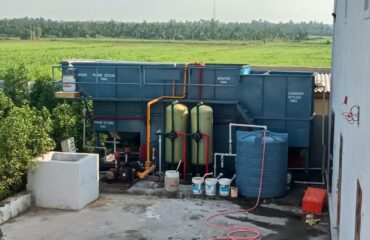
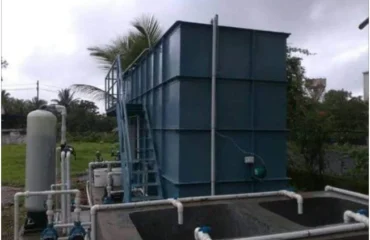
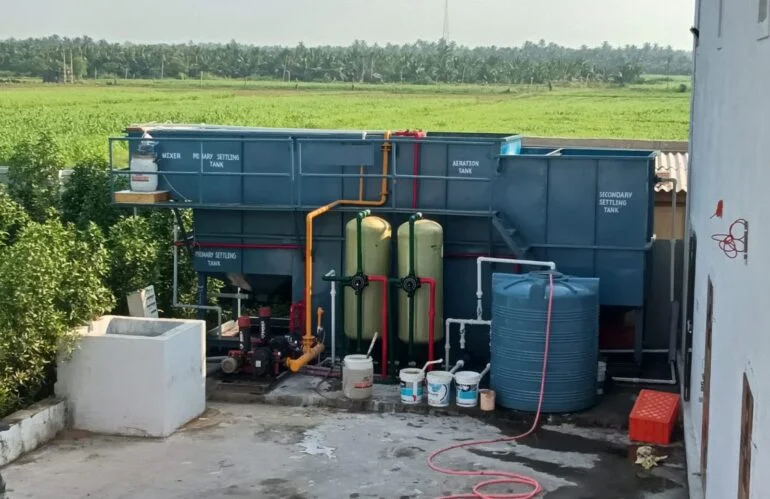
A Sewage Treatment Plant (STP) is a facility designed to remove contaminants from wastewater and household sewage, producing an effluent that is suitable for discharge to the natural environment or for reuse. The process involves physical, chemical, and biological methods to clean the water. For Leh, with its fragile environment and limited water resources, STPs play a vital role in:
- Preventing Pollution: Protecting the pristine water bodies like the Indus River and groundwater sources from contamination by untreated sewage. This is crucial for maintaining the ecological balance of the high-altitude desert ecosystem.
- Protecting Public Health: Eliminating disease-causing pathogens and harmful chemicals, thereby safeguarding the health of residents and the numerous tourists visiting the region.
- Water Conservation: Enabling the reuse of treated water for non-potable purposes such as irrigation, industrial cooling, or toilet flushing, significantly reducing the demand on scarce freshwater reserves.
- Environmental Compliance: Adhering to stringent environmental regulations set by local and national authorities, avoiding penalties, and demonstrating environmental stewardship.
- Resource Recovery: Potential for generating valuable by-products like biogas (from anaerobic digestion) and nutrient-rich sludge (for soil amendment), promoting a circular economy.
Types of STP Technologies Suitable for Leh’s Unique Climate
Given Leh’s unique climate and geographical conditions, choosing the right STP technology is paramount. Factors like low temperatures, oxygen levels, and remote access influence the efficiency and operational viability of a plant. Some common and effective technologies, often adapted for cold climates, include:
- Activated Sludge Process (ASP): A widely used biological treatment process, which may require insulation and heating for optimal performance in very cold conditions.
- Moving Bed Biofilm Reactor (MBBR): This technology uses plastic carriers to provide a surface for biofilm growth, making it compact and robust. It’s often more resilient to temperature fluctuations and organic load variations, making it a good candidate for Leh.
- Sequential Batch Reactor (SBR): A flexible fill-and-draw activated sludge system, suitable for varying loads and smaller to medium-sized plants. Its batch operation allows for precise control over treatment stages.
- Membrane Bioreactor (MBR): Combines activated sludge with membrane filtration (ultrafiltration or microfiltration). It offers superior effluent quality, making it ideal for water reuse applications, despite higher initial costs and energy consumption. Its compact footprint is also an advantage.
- Constructed Wetlands/Phytoremediation: For specific applications and available land, natural treatment systems can be very effective, though they might require larger areas and careful design for cold climates.
STP Plant manufacturers often specialize in one or more of these technologies, and it’s essential to find one with expertise in cold climate operations and seismic resilience, ensuring the plant can withstand the specific environmental stresses of the Himalayan region.
Why Partner with Experienced STP Plant Manufacturers in India? The Quest for Quality
When investing in a sewage water treatment plant, especially in a challenging environment like Leh, the choice of manufacturer is critical. Reputable STP Plant manufacturers in India bring a wealth of experience, cutting-edge technology, and a commitment to quality that is indispensable for long-term success. Here’s why their expertise matters:
- Customized Solutions: A good manufacturer will not offer a one-size-fits-all solution. They will conduct a thorough assessment of specific site conditions (e.g., land availability, elevation, proximity to water bodies), wastewater characteristics, discharge standards, and projected future needs to design a tailored STP. This customization ensures optimal performance and cost-effectiveness.
- Compliance with Regulations: Environmental laws are strict and constantly evolving. Experienced manufacturers ensure their designs and installations comply with all local, state, and national environmental norms, including those specific to sensitive ecological zones like the Himalayas.
- Advanced Technology Integration: Leading manufacturers leverage the latest innovations in wastewater treatment for higher efficiency, reduced energy consumption, lower operating costs, and superior effluent quality. This includes automation, remote monitoring, and smart control systems.
- Durability and Reliability: High-quality materials, robust engineering, and superior construction methods are paramount, especially in areas prone to extreme weather or seismic activity. A reliable plant ensures uninterrupted operation and a longer lifespan, minimizing costly breakdowns and repairs.
- Comprehensive After-Sales Support: The relationship doesn’t end with installation. Reputable manufacturers provide extensive after-sales services, including:
- Installation and commissioning supervision.
- Operational training for local staff.
- Preventative maintenance schedules.
- Prompt technical support and troubleshooting.
- Availability of spare parts.
Identifying the Top STP Manufacturers in India: What to Look For
While a definitive \”Top 10\” list can vary based on project type, scale, and specific requirements, certain characteristics consistently define leading STP Plant manufacturers. When searching for Top 10 STP manufacturers in India, or simply the best fit for your project, look for companies with:
- A Proven Track Record: Extensive experience with successful installations, particularly in diverse climatic conditions (e.g., cold regions, remote areas) and varying capacities. Request case studies and client references.
- Strong R&D Capabilities: An indication of innovation, adaptability, and a commitment to continuous improvement in treatment technologies and processes.
- Comprehensive Service Offerings: From initial feasibility studies and detailed engineering design to procurement, construction, commissioning, and ongoing operation & maintenance (O&M) support.
- Certifications and Quality Assurance: Adherence to international quality standards (e.g., ISO 9001, ISO 14001) and industry-specific certifications.
- Technological Expertise: Proficiency in a range of advanced treatment technologies and the ability to recommend the most suitable option for specific project needs.
- Financial Stability: Ensures the manufacturer has the resources to complete large projects and provide long-term support.
Many of these manufacturers have a strong pan-India presence or can provide services in regions like Leh, making them ideal partners for your sewage treatment plant project. They understand the logistical challenges and engineering requirements of working in remote, high-altitude environments.
Key Considerations for Selecting a Water Treatment Plant Manufacturer in Leh
Choosing the right Sewage treatment plant provider for a location like Leh requires careful consideration of the unique regional context. Beyond general expertise, specific local factors must be addressed to ensure the plant’s efficacy and longevity.
- Experience in High-Altitude and Cold Climates: This is paramount. Operating an STP in sub-zero temperatures requires specialized design features, such as:
- Insulated tanks and piping to prevent freezing.
- Heated enclosures for sensitive equipment.
- Selection of cold-tolerant microbial strains for biological treatment.
- Anti-freeze measures and appropriate material selection.
Look for STP Plant manufacturers near me (or those with extensive experience in similar geographies) who demonstrably understand these intricate challenges.
- Energy Efficiency and Renewable Integration: Leh faces unique energy challenges. Manufacturers offering energy-efficient designs (e.g., low-power pumps, optimized aeration systems) or those capable of integrating renewable energy sources (solar, wind) into the STP\’s power supply can significantly reduce operational costs and environmental footprint.
- Modularity and Scalability: As Leh\’s population and tourist influx grow, the wastewater load will inevitably increase. A modular design allows for easy expansion of the plant\’s capacity without requiring a complete overhaul, ensuring future adaptability.
- Automation and Remote Monitoring: For sites that might be challenging to access frequently, especially during harsh winters, automated systems with remote monitoring capabilities are invaluable. They allow for real-time performance tracking, early detection of issues, and remote control, minimizing the need for on-site personnel.
- Logistical Capabilities: Delivering and installing equipment in Leh\’s mountainous terrain poses significant logistical hurdles. A manufacturer with proven capabilities in handling complex logistics and site execution in difficult-to-reach areas is essential.
- Water Reuse Potential: Given water scarcity, the ability to treat wastewater to a quality suitable for reuse (e.g., for agricultural irrigation, landscaping, industrial cooling, or even toilet flushing) should be a key criterion. This maximizes the value of the treated water resource.
The Environmental and Economic Benefits of Modern Sewage Treatment Plants in the Himalayas
Investing in a high-quality sewage treatment plant brings a multitude of benefits, extending far beyond mere compliance, especially in an ecologically sensitive zone like the Himalayas.
- Environmental Protection and Conservation:
- Reduced Pollution Load: Drastically reduces the discharge of pollutants (organic matter, nutrients, pathogens) into rivers, lakes, and groundwater, preserving the pristine quality of natural water bodies.
- Biodiversity Preservation: Protects aquatic life and terrestrial ecosystems that depend on clean water, safeguarding the unique biodiversity of the region.
- Soil Health: Prevents soil contamination that can occur from untreated wastewater, maintaining agricultural productivity and ecological balance.
- Public Health Improvement:
- Disease Prevention: Significantly lowers the incidence of waterborne diseases such as cholera, typhoid, and dysentery, which are often linked to contaminated water sources.
- Improved Sanitation: Creates a healthier and more hygienic living environment for residents, workers, and the increasing number of tourists.
- Reduced Odor and Nuisance: Proper treatment minimizes unpleasant odors and unsightly conditions associated with untreated sewage, improving the quality of life.
- Economic Advantages and Resource Management:
- Water Resource Augmentation: Treated water can be a valuable non-potable resource for irrigation, industrial processes, and industrial wastewater treatment, thereby reducing reliance on dwindling freshwater supplies and lowering water abstraction costs.
- Sustainable Tourism: Demonstrates environmental responsibility, enhancing Leh\’s appeal as an eco-tourism destination and attracting environmentally conscious visitors.
- Resource Recovery: Potential for generating biogas from anaerobic digestion of sludge, which can be used for energy production (heating, electricity), offsetting operational costs. Treated sludge can also be used as a soil conditioner.
- Avoidance of Fines: Ensures compliance with environmental regulations, preventing hefty fines and legal complications.
- Enhanced Property Values: Areas with reliable and effective sanitation infrastructure often see higher property values and increased desirability for investment and living.
The Role of STP Plants in Sustainable Urban Development for Leh
As Leh continues its journey of development, integrated urban planning must prioritize sustainable infrastructure that respects its unique natural and cultural heritage. STP Plant manufacturers are at the forefront of providing solutions that align with this vision. By treating wastewater effectively, communities can achieve:
- Enhanced Water Security: Ensuring a continuous and diversified supply of water, even during periods of scarcity, by strategically integrating treated wastewater into the overall water management plan.
- Universal Sanitation: Working towards equitable access to advanced sanitation facilities for all inhabitants, a fundamental human right and a key pillar of public health and dignity.
- Climate Resilience: Robust and well-designed water treatment systems are more resilient to the impacts of climate change, such as altered precipitation patterns, glacier melt, and extreme weather events, ensuring continuity of service.
- Circular Economy Principles: Moving beyond a linear \”take-make-dispose\” model by transforming wastewater from a pollutant into a valuable resource (treated water, energy, nutrients), fostering a more sustainable and resource-efficient economy.
- Community Empowerment: Local involvement in the operation and maintenance of STPs, along with awareness programs, can empower communities to take ownership of their water resources.
Paving the Way for a Cleaner, Greener Leh
The development and implementation of advanced Sewage treatment plant technology are indispensable for Leh\’s sustainable future. By carefully selecting experienced and innovative Water Treatment Plant manufacturers in Leh, the region can ensure effective wastewater management, environmental protection, and significant public health improvements. The commitment to superior STP solutions not only addresses immediate sanitation needs but also lays a strong foundation for a thriving, eco-conscious community in the heart of the Himalayas. Investing in the right technology and the right partners today will yield dividends for generations to come, securing Leh\’s pristine beauty and vital water resources for residents and visitors alike, now and for the future.
“,
“faqs”: [
{
“question”: “What is a Sewage Treatment Plant (STP)?”,
“answer”: “A Sewage Treatment Plant (STP) is a facility designed to remove contaminants from domestic and industrial wastewater, producing an effluent that is safe for discharge into the environment or for reuse. It typically employs physical, chemical, and biological processes.”
},
{
“question”: “Why are STPs particularly important for Leh?”,
“answer”: “For Leh, STPs are crucial due to its fragile Himalayan ecosystem, limited freshwater resources, and increasing population/tourism. They prevent pollution of vital water bodies like the Indus River, protect public health from waterborne diseases, and enable water reuse, thus conserving scarce resources.”
},
{
“question”: “How do I choose the right STP manufacturer in India?”,
“answer”: “When selecting an STP manufacturer, consider their experience, especially in high-altitude/cold climates, their technological expertise, commitment to quality and compliance, after-sales support, and ability to offer customized, energy-efficient, and scalable solutions tailored to your specific needs.”
},
{
“question”: “What types of STP technologies are suitable for cold climates like Leh?”,
“answer”: “Technologies like Moving Bed Biofilm Reactor (MBBR), Sequential Batch Reactor (SBR), and Membrane Bioreactor (MBR) are often suitable for cold climates, sometimes requiring adaptations like insulation or heating. These are robust and can handle varying loads effectively.”
},
{
“question”: “What are the benefits of installing a modern Sewage Treatment Plant?”,
“answer”: “Modern STPs offer numerous benefits including environmental protection (reduced pollution), improved public health (prevention of waterborne diseases), and economic advantages (water reuse for non-potable purposes, potential for biogas generation, compliance with regulations).”
}
],
“internal_links”: [
{
“anchor”: “sustainable water management”,
“suggested_url”: “/blog/sustainable-water-management-solutions”
},
{
“anchor”: “industrial wastewater treatment”,
“suggested_url”: “/blog/industrial-wastewater-treatment-technologies”
}
],
“article_schema”: {
“@context”: “https://schema.org”,
“@type”: “Article”,
“headline”: “Sewage Water Treatment Plant in Leh: A Comprehensive Guide to Manufacturers”,
“image”: [],
“author”: {
“@type”: “Person”,
“name”: “AI SEO Content Writer”
},
“publisher”: {
“@type”: “Organization”,
“name”: “Your Company Name”,
“logo”: {
“@type”: “ImageObject”,
“url”: “https://www.example.com/logo.png”
}
},
“datePublished”: “2023-10-27T10:00:00+00:00”,
“dateModified”: “2023-10-27T10:00:00+00:00”,
“mainEntityOfPage”: {
“@type”: “WebPage”,
“@id”: “https://www.example.com/blog/water-treatment-plant-manufacturers-leh-guide”
},
“description”: “Discover leading Water Treatment Plant manufacturers in Leh. Find top STP plant manufacturers in India for efficient sewage treatment and sustainable water management solutions.”,
“articleBody”: “
The Critical Need for Water Treatment in Leh
Leh, nestled in the majestic Himalayas, is renowned for its breathtaking landscapes and unique ecosystem. However, like many rapidly developing regions, it faces significant challenges related to water management and sanitation. The increasing population, coupled with a growing tourism industry, puts immense pressure on existing water resources and wastewater infrastructure. This makes the implementation of efficient sustainable water management systems, particularly sewage water treatment plants (STPs), not just beneficial but absolutely crucial. Finding reliable Water Treatment Plant manufacturers in Leh is the first step towards a healthier, more sustainable future for the region. The unique conditions of Leh, including its high altitude, cold climate, and seismically active zone, demand specialized and robust solutions for wastewater treatment that conventional systems may not adequately address.
Understanding Sewage Treatment Plants (STPs) and Their Importance
A Sewage Treatment Plant (STP) is a facility designed to remove contaminants from wastewater and household sewage, producing an effluent that is suitable for discharge to the natural environment or for reuse. The process involves physical, chemical, and biological methods to clean the water. For Leh, with its fragile environment and limited water resources, STPs play a vital role in:
- Preventing Pollution: Protecting the pristine water bodies like the Indus River and groundwater sources from contamination by untreated sewage. This is crucial for maintaining the ecological balance of the high-altitude desert ecosystem.
- Protecting Public Health: Eliminating disease-causing pathogens and harmful chemicals, thereby safeguarding the health of residents and the numerous tourists visiting the region.
- Water Conservation: Enabling the reuse of treated water for non-potable purposes such as irrigation, industrial cooling, or toilet flushing, significantly reducing the demand on scarce freshwater reserves.
- Environmental Compliance: Adhering to stringent environmental regulations set by local and national authorities, avoiding penalties, and demonstrating environmental stewardship.
- Resource Recovery: Potential for generating valuable by-products like biogas (from anaerobic digestion) and nutrient-rich sludge (for soil amendment), promoting a circular economy.
Types of STP Technologies Suitable for Leh’s Unique Climate
Given Leh’s unique climate and geographical conditions, choosing the right STP technology is paramount. Factors like low temperatures, oxygen levels, and remote access influence the efficiency and operational viability of a plant. Some common and effective technologies, often adapted for cold climates, include:
- Activated Sludge Process (ASP): A widely used biological treatment process, which may require insulation and heating for optimal performance in very cold conditions.
- Moving Bed Biofilm Reactor (MBBR): This technology uses plastic carriers to provide a surface for biofilm growth, making it compact and robust. It’s often more resilient to temperature fluctuations and organic load variations, making it a good candidate for Leh.
- Sequential Batch Reactor (SBR): A flexible fill-and-draw activated sludge system, suitable for varying loads and smaller to medium-sized plants. Its batch operation allows for precise control over treatment stages.
- Membrane Bioreactor (MBR): Combines activated sludge with membrane filtration (ultrafiltration or microfiltration). It offers superior effluent quality, making it ideal for water reuse applications, despite higher initial costs and energy consumption. Its compact footprint is also an advantage.
- Constructed Wetlands/Phytoremediation: For specific applications and available land, natural treatment systems can be very effective, though they might require larger areas and careful design for cold climates.
STP Plant manufacturers often specialize in one or more of these technologies, and it’s essential to find one with expertise in cold climate operations and seismic resilience, ensuring the plant can withstand the specific environmental stresses of the Himalayan region.
Why Partner with Experienced STP Plant Manufacturers in India? The Quest for Quality
When investing in a sewage water treatment plant, especially in a challenging environment like Leh, the choice of manufacturer is critical. Reputable STP Plant manufacturers in India bring a wealth of experience, cutting-edge technology, and a commitment to quality that is indispensable for long-term success. Here’s why their expertise matters:
- Customized Solutions: A good manufacturer will not offer a one-size-fits-all solution. They will conduct a thorough assessment of specific site conditions (e.g., land availability, elevation, proximity to water bodies), wastewater characteristics, discharge standards, and projected future needs to design a tailored STP. This customization ensures optimal performance and cost-effectiveness.
- Compliance with Regulations: Environmental laws are strict and constantly evolving. Experienced manufacturers ensure their designs and installations comply with all local, state, and national environmental norms, including those specific to sensitive ecological zones like the Himalayas.
- Advanced Technology Integration: Leading manufacturers leverage the latest innovations in wastewater treatment for higher efficiency, reduced energy consumption, lower operating costs, and superior effluent quality. This includes automation, remote monitoring, and smart control systems.
- Durability and Reliability: High-quality materials, robust engineering, and superior construction methods are paramount, especially in areas prone to extreme weather or seismic activity. A reliable plant ensures uninterrupted operation and a longer lifespan, minimizing costly breakdowns and repairs.
- Comprehensive After-Sales Support: The relationship doesn’t end with installation. Reputable manufacturers provide extensive after-sales services, including:
- Installation and commissioning supervision.
- Operational training for local staff.
- Preventative maintenance schedules.
- Prompt technical support and troubleshooting.
- Availability of spare parts.
Identifying the Top STP Manufacturers in India: What to Look For
While a definitive \”Top 10\” list can vary based on project type, scale, and specific requirements, certain characteristics consistently define leading STP Plant manufacturers. When searching for Top 10 STP manufacturers in India, or simply the best fit for your project, look for companies with:
- A Proven Track Record: Extensive experience with successful installations, particularly in diverse climatic conditions (e.g., cold regions, remote areas) and varying capacities. Request case studies and client references.
- Strong R&D Capabilities: An indication of innovation, adaptability, and a commitment to continuous improvement in treatment technologies and processes.
- Comprehensive Service Offerings: From initial feasibility studies and detailed engineering design to procurement, construction, commissioning, and ongoing operation & maintenance (O&M) support.
- Certifications and Quality Assurance: Adherence to international quality standards (e.g., ISO 9001, ISO 14001) and industry-specific certifications.
- Technological Expertise: Proficiency in a range of advanced treatment technologies and the ability to recommend the most suitable option for specific project needs.
- Financial Stability: Ensures the manufacturer has the resources to complete large projects and provide long-term support.
Many of these manufacturers have a strong pan-India presence or can provide services in regions like Leh, making them ideal partners for your sewage treatment plant project. They understand the logistical challenges and engineering requirements of working in remote, high-altitude environments.
Key Considerations for Selecting a Water Treatment Plant Manufacturer in Leh
Choosing the right Sewage treatment plant provider for a location like Leh requires careful consideration of the unique regional context. Beyond general expertise, specific local factors must be addressed to ensure the plant\’s efficacy and longevity.
- Experience in High-Altitude and Cold Climates: This is paramount. Operating an STP in sub-zero temperatures requires specialized design features, such as:
- Insulated tanks and piping to prevent freezing.
- Heated enclosures for sensitive equipment.
- Selection of cold-tolerant microbial strains for biological treatment.
- Anti-freeze measures and appropriate material selection.
Look for STP Plant manufacturers near me (or those with extensive experience in similar geographies) who demonstrably understand these intricate challenges.
- Energy Efficiency and Renewable Integration: Leh faces unique energy challenges. Manufacturers offering energy-efficient designs (e.g., low-power pumps, optimized aeration systems) or those capable of integrating renewable energy sources (solar, wind) into the STP\’s power supply can significantly reduce operational costs and environmental footprint.
- Modularity and Scalability: As Leh\’s population and tourist influx grow, the wastewater load will inevitably increase. A modular design allows for easy expansion of the plant\’s capacity without requiring a complete overhaul, ensuring future adaptability.
- Automation and Remote Monitoring: For sites that might be challenging to access frequently, especially during harsh winters, automated systems with remote monitoring capabilities are invaluable. They allow for real-time performance tracking, early detection of issues, and remote control, minimizing the need for on-site personnel.
- Logistical Capabilities: Delivering and installing equipment in Leh\’s mountainous terrain poses significant logistical hurdles. A manufacturer with proven capabilities in handling complex logistics and site execution in difficult-to-reach areas is essential.
- Water Reuse Potential: Given water scarcity, the ability to treat wastewater to a quality suitable for reuse (e.g., for agricultural irrigation, landscaping, industrial cooling, or even toilet flushing) should be a key criterion. This maximizes the value of the treated water resource.
The Environmental and Economic Benefits of Modern Sewage Treatment Plants in the Himalayas
Investing in a high-quality sewage treatment plant brings a multitude of benefits, extending far beyond mere compliance, especially in an ecologically sensitive zone like the Himalayas.
- Environmental Protection and Conservation:
- Reduced Pollution Load: Drastically reduces the discharge of pollutants (organic matter, nutrients, pathogens) into rivers, lakes, and groundwater, preserving the pristine quality of natural water bodies.
- Biodiversity Preservation: Protects aquatic life and terrestrial ecosystems that depend on clean water, safeguarding the unique biodiversity of the region.
- Soil Health: Prevents soil contamination that can occur from untreated wastewater, maintaining agricultural productivity and ecological balance.
- Public Health Improvement:
- Disease Prevention: Significantly lowers the incidence of waterborne diseases such as cholera, typhoid, and dysentery, which are often linked to contaminated water sources.
- Improved Sanitation: Creates a healthier and more hygienic living environment for residents, workers, and the increasing number of tourists.
- Reduced Odor and Nuisance: Proper treatment minimizes unpleasant odors and unsightly conditions associated with untreated sewage, improving the quality of life.
- Economic Advantages and Resource Management:
- Water Resource Augmentation: Treated water can be a valuable non-potable resource for irrigation, industrial processes, and industrial wastewater treatment, thereby reducing reliance on dwindling freshwater supplies and lowering water abstraction costs.
- Sustainable Tourism: Demonstrates environmental responsibility, enhancing Leh\’s appeal as an eco-tourism destination and attracting environmentally conscious visitors.
- Resource Recovery: Potential for generating biogas from anaerobic digestion of sludge, which can be used for energy production (heating, electricity), offsetting operational costs. Treated sludge can also be used as a soil conditioner.
- Avoidance of Fines: Ensures compliance with environmental regulations, preventing hefty fines and legal complications.
- Enhanced Property Values: Areas with reliable and effective sanitation infrastructure often see higher property values and increased desirability for investment and living.
The Role of STP Plants in Sustainable Urban Development for Leh
As Leh continues its journey of development, integrated urban planning must prioritize sustainable infrastructure that respects its unique natural and cultural heritage. STP Plant manufacturers are at the forefront of providing solutions that align with this vision. By treating wastewater effectively, communities can achieve:
- Enhanced Water Security: Ensuring a continuous and diversified supply of water, even during periods of scarcity, by strategically integrating treated wastewater into the overall water management plan.
- Universal Sanitation: Working towards equitable access to advanced sanitation facilities for all inhabitants, a fundamental human right and a key pillar of public health and dignity.
- Climate Resilience: Robust and well-designed water treatment systems are more resilient to the impacts of climate change, such as altered precipitation patterns, glacier melt, and extreme weather events, ensuring continuity of service.
- Circular Economy Principles: Moving beyond a linear \”take-make-dispose\” model by transforming wastewater from a pollutant into a valuable resource (treated water, energy, nutrients), fostering a more sustainable and resource-efficient economy.
- Community Empowerment: Local involvement in the operation and maintenance of STPs, along with awareness programs, can empower communities to take ownership of their water resources.
Paving the Way for a Cleaner, Greener Leh
The development and implementation of advanced Sewage treatment plant technology are indispensable for Leh\’s sustainable future. By carefully selecting experienced and innovative Water Treatment Plant manufacturers in Leh, the region can ensure effective wastewater management, environmental protection, and significant public health improvements. The commitment to superior STP solutions not only addresses immediate sanitation needs but also lays a strong foundation for a thriving, eco-conscious community in the heart of the Himalayas. Investing in the right technology and the right partners today will yield dividends for generations to come, securing Leh\’s pristine beauty and vital water resources for residents and visitors alike, now and for the future.
”
},
“article_schema”: {
“@context”: “https://schema.org”,
“@type”: “Article”,
“headline”: “Sewage Water Treatment Plant in Leh: A Comprehensive Guide to Manufacturers”,
“image”: [],
“author”: {
“@type”: “Person”,
“name”: “AI SEO Content Writer”
},
“publisher”: {
“@type”: “Organization”,
“name”: “Your Company Name”,
“logo”: {
“@type”: “ImageObject”,
“url”: “https://www.example.com/logo.png”
}
},
“datePublished”: “2023-10-27T10:00:00+00:00”,
“dateModified”: “2023-10-27T10:00:00+00:00”,
“mainEntityOfPage”: {
“@type”: “WebPage”,
“@id”: “https://www.example.com/blog/water-treatment-plant-manufacturers-leh-guide”
},
“description”: “Discover leading Water Treatment Plant manufacturers in Leh. Find top STP plant manufacturers in India for efficient sewage treatment and sustainable water management solutions.”,
“articleBody”: “
The Critical Need for Water Treatment in Leh
Leh, nestled in the majestic Himalayas, is renowned for its breathtaking landscapes and unique ecosystem. However, like many rapidly developing regions, it faces significant challenges related to water management and sanitation. The increasing population, coupled with a growing tourism industry, puts immense pressure on existing water resources and wastewater infrastructure. This makes the implementation of efficient sustainable water management systems, particularly sewage water treatment plants (STPs), not just beneficial but absolutely crucial. Finding reliable Water Treatment Plant manufacturers in Leh is the first step towards a healthier, more sustainable future for the region. The unique conditions of Leh, including its high altitude, cold climate, and seismically active zone, demand specialized and robust solutions for wastewater treatment that conventional systems may not adequately address.
Understanding Sewage Treatment Plants (STPs) and Their Importance
A Sewage Treatment Plant (STP) is a facility designed to remove contaminants from wastewater and household sewage, producing an effluent that is suitable for discharge to the natural environment or for reuse. The process involves physical, chemical, and biological methods to clean the water. For Leh, with its fragile environment and limited water resources, STPs play a vital role in:
- Preventing Pollution: Protecting the pristine water bodies like the Indus River and groundwater sources from contamination by untreated sewage. This is crucial for maintaining the ecological balance of the high-altitude desert ecosystem.
- Protecting Public Health: Eliminating disease-causing pathogens and harmful chemicals, thereby safeguarding the health of residents and the numerous tourists visiting the region.
- Water Conservation: Enabling the reuse of treated water for non-potable purposes such as irrigation, industrial cooling, or toilet flushing, significantly reducing the demand on scarce freshwater reserves.
- Environmental Compliance: Adhering to stringent environmental regulations set by local and national authorities, avoiding penalties, and demonstrating environmental stewardship.
- Resource Recovery: Potential for generating valuable by-products like biogas (from anaerobic digestion) and nutrient-rich sludge (for soil amendment), promoting a circular economy.
Types of STP Technologies Suitable for Leh’s Unique Climate
Given Leh’s unique climate and geographical conditions, choosing the right STP technology is paramount. Factors like low temperatures, oxygen levels, and remote access influence the efficiency and operational viability of a plant. Some common and effective technologies, often adapted for cold climates, include:
- Activated Sludge Process (ASP): A widely used biological treatment process, which may require insulation and heating for optimal performance in very cold conditions.
- Moving Bed Biofilm Reactor (MBBR): This technology uses plastic carriers to provide a surface for biofilm growth, making it compact and robust. It’s often more resilient to temperature fluctuations and organic load variations, making it a good candidate for Leh.
- Sequential Batch Reactor (SBR): A flexible fill-and-draw activated sludge system, suitable for varying loads and smaller to medium-sized plants. Its batch operation allows for precise control over treatment stages.
- Membrane Bioreactor (MBR): Combines activated sludge with membrane filtration (ultrafiltration or microfiltration). It offers superior effluent quality, making it ideal for water reuse applications, despite higher initial costs and energy consumption. Its compact footprint is also an advantage.
- Constructed Wetlands/Phytoremediation: For specific applications and available land, natural treatment systems can be very effective, though they might require larger areas and careful design for cold climates.
STP Plant manufacturers often specialize in one or more of these technologies, and it’s essential to find one with expertise in cold climate operations and seismic resilience, ensuring the plant can withstand the specific environmental stresses of the Himalayan region.
Why Partner with Experienced STP Plant Manufacturers in India? The Quest for Quality
When investing in a sewage water treatment plant, especially in a challenging environment like Leh, the choice of manufacturer is critical. Reputable STP Plant manufacturers in India bring a wealth of experience, cutting-edge technology, and a commitment to quality that is indispensable for long-term success. Here’s why their expertise matters:
- Customized Solutions: A good manufacturer will not offer a one-size-fits-all solution. They will conduct a thorough assessment of specific site conditions (e.g., land availability, elevation, proximity to water bodies), wastewater characteristics, discharge standards, and projected future needs to design a tailored STP. This customization ensures optimal performance and cost-effectiveness.
- Compliance with Regulations: Environmental laws are strict and constantly evolving. Experienced manufacturers ensure their designs and installations comply with all local, state, and national environmental norms, including those specific to sensitive ecological zones like the Himalayas.
- Advanced Technology Integration: Leading manufacturers leverage the latest innovations in wastewater treatment for higher efficiency, reduced energy consumption, lower operating costs, and superior effluent quality. This includes automation, remote monitoring, and smart control systems.
- Durability and Reliability: High-quality materials, robust engineering, and superior construction methods are paramount, especially in areas prone to extreme weather or seismic activity. A reliable plant ensures uninterrupted operation and a longer lifespan, minimizing costly breakdowns and repairs.
- Comprehensive After-Sales Support: The relationship doesn’t end with installation. Reputable manufacturers provide extensive after-sales services, including:
- Installation and commissioning supervision.
- Operational training for local staff.
- Preventative maintenance schedules.
- Prompt technical support and troubleshooting.
- Availability of spare parts.
Identifying the Top STP Manufacturers in India: What to Look For
While a definitive \”Top 10\” list can vary based on project type, scale, and specific requirements, certain characteristics consistently define leading STP Plant manufacturers. When searching for Top 10 STP manufacturers in India, or simply the best fit for your project, look for companies with:
- A Proven Track Record: Extensive experience with successful installations, particularly in diverse climatic conditions (e.g., cold regions, remote areas) and varying capacities. Request case studies and client references.
- Strong R&D Capabilities: An indication of innovation, adaptability, and a commitment to continuous improvement in treatment technologies and processes.
- Comprehensive Service Offerings: From initial feasibility studies and detailed engineering design to procurement, construction, commissioning, and ongoing operation & maintenance (O&M) support.
- Certifications and Quality Assurance: Adherence to international quality standards (e.g., ISO 9001, ISO 14001) and industry-specific certifications.
- Technological Expertise: Proficiency in a range of advanced treatment technologies and the ability to recommend the most suitable option for specific project needs.
- Financial Stability: Ensures the manufacturer has the resources to complete large projects and provide long-term support.
Many of these manufacturers have a strong pan-India presence or can provide services in regions like Leh, making them ideal partners for your sewage treatment plant project. They understand the logistical challenges and engineering requirements of working in remote, high-altitude environments.
Key Considerations for Selecting a Water Treatment Plant Manufacturer in Leh
Choosing the right Sewage treatment plant provider for a location like Leh requires careful consideration of the unique regional context. Beyond general expertise, specific local factors must be addressed to ensure the plant\’s efficacy and longevity.
- Experience in High-Altitude and Cold Climates: This is paramount. Operating an STP in sub-zero temperatures requires specialized design features, such as:
- Insulated tanks and piping to prevent freezing.
- Heated enclosures for sensitive equipment.
- Selection of cold-tolerant microbial strains for biological treatment.
- Anti-freeze measures and appropriate material selection.
Look for STP Plant manufacturers near me (or those with extensive experience in similar geographies) who demonstrably understand these intricate challenges.
- Energy Efficiency and Renewable Integration: Leh faces unique energy challenges. Manufacturers offering energy-efficient designs (e.g., low-power pumps, optimized aeration systems) or those capable of integrating renewable energy sources (solar, wind) into the STP\’s power supply can significantly reduce operational costs and environmental footprint.
- Modularity and Scalability: As Leh\’s population and tourist influx grow, the wastewater load will inevitably increase. A modular design allows for easy expansion of the plant\’s capacity without requiring a complete overhaul, ensuring future adaptability.
- Automation and Remote Monitoring: For sites that might be challenging to access frequently, especially during harsh winters, automated systems with remote monitoring capabilities are invaluable. They allow for real-time performance tracking, early detection of issues, and remote control, minimizing the need for on-site personnel.
- Logistical Capabilities: Delivering and installing equipment in Leh\’s mountainous terrain poses significant logistical hurdles. A manufacturer with proven capabilities in handling complex logistics and site execution in difficult-to-reach areas is essential.
- Water Reuse Potential: Given water scarcity, the ability to treat wastewater to a quality suitable for reuse (e.g., for agricultural irrigation, landscaping, industrial cooling, or even toilet flushing) should be a key criterion. This maximizes the value of the treated water resource.
The Environmental and Economic Benefits of Modern Sewage Treatment Plants in the Himalayas
Investing in a high-quality sewage treatment plant brings a multitude of benefits, extending far beyond mere compliance, especially in an ecologically sensitive zone like the Himalayas.
- Environmental Protection and Conservation:
- Reduced Pollution Load: Drastically reduces the discharge of pollutants (organic matter, nutrients, pathogens) into rivers, lakes, and groundwater, preserving the pristine quality of natural water bodies.
- Biodiversity Preservation: Protects aquatic life and terrestrial ecosystems that depend on clean water, safeguarding the unique biodiversity of the region.
- Soil Health: Prevents soil contamination that can occur from untreated wastewater, maintaining agricultural productivity and ecological balance.
- Public Health Improvement:
- Disease Prevention: Significantly lowers the incidence of waterborne diseases such as cholera, typhoid, and dysentery, which are often linked to contaminated water sources.
- Improved Sanitation: Creates a healthier and more hygienic living environment for residents, workers, and the increasing number of tourists.
- Reduced Odor and Nuisance: Proper treatment minimizes unpleasant odors and unsightly conditions associated with untreated sewage, improving the quality of life.
- Economic Advantages and Resource Management:
- Water Resource Augmentation: Treated water can be a valuable non-potable resource for irrigation, industrial processes, and industrial wastewater treatment, thereby reducing reliance on dwindling freshwater supplies and lowering water abstraction costs.
- Sustainable Tourism: Demonstrates environmental responsibility, enhancing Leh\’s appeal as an eco-tourism destination and attracting environmentally conscious visitors.
- Resource Recovery: Potential for generating biogas from anaerobic digestion of sludge, which can be used for energy production (heating, electricity), offsetting operational costs. Treated sludge can also be used as a soil conditioner.
- Avoidance of Fines: Ensures compliance with environmental regulations, preventing hefty fines and legal complications.
- Enhanced Property Values: Areas with reliable and effective sanitation infrastructure often see higher property values and increased desirability for investment and living.
The Role of STP Plants in Sustainable Urban Development for Leh
As Leh continues its journey of development, integrated urban planning must prioritize sustainable infrastructure that respects its unique natural and cultural heritage. STP Plant manufacturers are at the forefront of providing solutions that align with this vision. By treating wastewater effectively, communities can achieve:
- Enhanced Water Security: Ensuring a continuous and diversified supply of water, even during periods of scarcity, by strategically integrating treated wastewater into the overall water management plan.
- Universal Sanitation: Working towards equitable access to advanced sanitation facilities for all inhabitants, a fundamental human right and a key pillar of public health and dignity.
- Climate Resilience: Robust and well-designed water treatment systems are more resilient to the impacts of climate change, such as altered precipitation patterns, glacier melt, and extreme weather events, ensuring continuity of service.
- Circular Economy Principles: Moving beyond a linear \”take-make-dispose\” model by transforming wastewater from a pollutant into a valuable resource (treated water, energy, nutrients), fostering a more sustainable and resource-efficient economy.
- Community Empowerment: Local involvement in the operation and maintenance of STPs, along with awareness programs, can empower communities to take ownership of their water resources.
Paving the Way for a Cleaner, Greener Leh
The development and implementation of advanced Sewage treatment plant technology are indispensable for Leh\’s sustainable future. By carefully selecting experienced and innovative Water Treatment Plant manufacturers in Leh, the region can ensure effective wastewater management, environmental protection, and significant public health improvements. The commitment to superior STP solutions not only addresses immediate sanitation needs but also lays a strong foundation for a thriving, eco-conscious community in the heart of the Himalayas. Investing in the right technology and the right partners today will yield dividends for generations to come, securing Leh\’s pristine beauty and vital water resources for residents and visitors alike, now and for the future.
”
}
}