Sewage Water Treatment Plant in Dharuhera: Choosing the Right Manufacturer for a Sustainable Future
Dharuhera, a rapidly developing industrial and residential hub in Haryana, stands at the cusp of significant growth. With urbanization comes increased demand for resources and, inevitably, a surge in wastewater generation. Effective sewage management is no longer an option but a critical necessity for sustaining this growth, protecting public health, and preserving the environment. This makes the role of reliable Water Treatment Plant manufacturers in Dharuhera absolutely paramount. Investing in a state-of-the-art Sewage Treatment Plant (STP) is not just about compliance; it’s about building a cleaner, healthier, and more sustainable future for the community. This comprehensive guide will delve into the intricacies of sewage treatment, highlight the importance of choosing the right partners, and explore what makes a top-tier STP Plant manufacturer.
Understanding the Vital Role of STP Plants in Modern Infrastructure
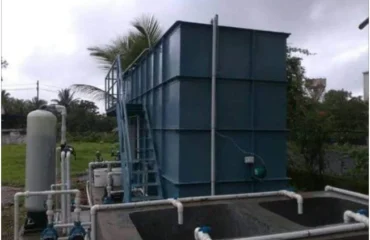
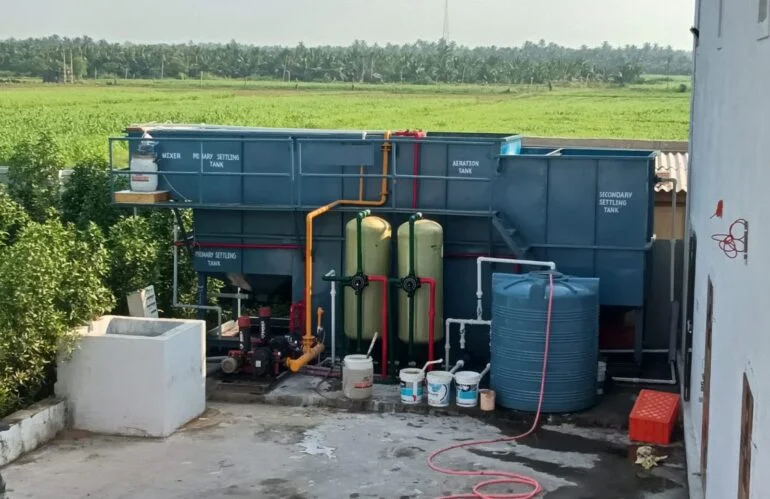
A Sewage Treatment Plant (STP) is an indispensable facility designed to remove physical, chemical, and biological contaminants from domestic wastewater and industrial effluents. The primary goal is to produce treated water (effluent) that is safe enough to be discharged into a receiving environment (like rivers or lakes) or reused for non-potable purposes such as irrigation, industrial processes, or toilet flushing.
The treatment process typically involves several stages:
- Preliminary Treatment: This stage removes large solids, grit, and other debris that can clog or damage equipment. It often includes screening and grit removal.
- Primary Treatment: In this stage, sewage flows into large tanks, allowing heavier organic solids to settle to the bottom (as primary sludge) and lighter materials (like grease and oil) to float to the surface (as scum).
- Secondary Treatment: This is a biological process where microorganisms consume organic pollutants in the wastewater. Common methods include activated sludge, trickling filters, and rotating biological contactors. This stage significantly reduces the biochemical oxygen demand (BOD) and suspended solids.
- Tertiary Treatment (Advanced Treatment): Depending on the desired effluent quality and its intended use, further treatment may be applied. This can involve filtration, disinfection (using chlorine, UV light, or ozone), nutrient removal (nitrogen and phosphorus), and activated carbon adsorption to remove residual contaminants.
Each STP Plant manufacturer employs specific technologies and designs to optimize these processes, ensuring efficient and effective treatment. The ultimate aim is to transform hazardous wastewater into an innocuous or even beneficial resource.
Why Efficient Sewage Treatment is Crucial for Dharuhera’s Future
Dharuhera’s rapid industrialization and growing population put immense pressure on its existing infrastructure and natural resources. Without robust sewage treatment facilities, the consequences can be severe:
- Environmental Degradation: Untreated sewage discharged into local water bodies contaminates rivers, lakes, and groundwater, harming aquatic life and destroying ecosystems.
- Public Health Risks: Contaminated water sources can lead to the spread of waterborne diseases like cholera, typhoid, and dysentery, posing significant health risks to the community.
- Regulatory Compliance: Environmental protection agencies enforce strict standards for wastewater discharge. Non-compliance can result in heavy fines and legal repercussions for industries and urban local bodies.
- Water Scarcity Mitigation: Treated wastewater can be a valuable resource for non-potable applications, reducing the reliance on fresh water sources and helping to address water scarcity issues in the region.
- Economic Impact: A polluted environment can deter investment, impact tourism, and diminish the quality of life, ultimately hindering Dharuhera’s economic growth.
Therefore, investing in high-quality Sewage treatment plant solutions is not merely a regulatory obligation but a strategic move towards sustainable urban and industrial development.
What to Look for in Leading Water Treatment Plant Manufacturers in Dharuhera
When selecting an STP partner, it’s crucial to evaluate several key attributes to ensure long-term efficiency and reliability. The best STP Plant manufacturers offer a combination of expertise, advanced technology, and unwavering support.
Expertise and Experience
A manufacturer’s track record is a testament to their capability. Look for companies with extensive experience in designing, installing, and commissioning STPs of varying capacities and complexities. Their portfolio should demonstrate successful projects in similar industrial or municipal settings. Experienced manufacturers understand the nuances of local regulations, climatic conditions, and specific wastewater characteristics in regions like Dharuhera.
Technology and Innovation
The field of wastewater treatment is constantly evolving. Leading manufacturers invest in research and development to offer cutting-edge technologies that are more efficient, consume less energy, require less land, and produce higher quality effluent. Inquire about their use of advanced processes like MBBR, MBR, or SBR, and their focus on automation and remote monitoring capabilities. An innovative STP Plant manufacturer can provide solutions that are not only effective today but also adaptable for future needs.
Customization and Scalability
Every project has unique requirements. A good Water Treatment Plant manufacturer in Dharuhera should be able to offer tailored solutions rather than one-size-fits-all packages. Whether it’s a small residential complex, a medium-sized commercial facility, or a large industrial plant, the STP design should be customized to match the influent characteristics, desired effluent quality, available space, and budget. Furthermore, consider if the plant can be easily scaled up in the future to accommodate growth.
After-Sales Support and Maintenance
The installation of an STP is just the beginning. The long-term performance and efficiency of the plant heavily depend on proper operation and maintenance. A reputable manufacturer provides comprehensive after-sales services, including operational training, regular maintenance contracts, spare parts availability, and prompt technical support. This ensures minimal downtime and optimal plant performance throughout its lifecycle.
Navigating the Market: Finding the Best STP Plant Manufacturer in India
While focusing on local expertise in Dharuhera is important, expanding your search to encompass the broader Indian market can open up a wider array of options and specialized solutions. India boasts a vibrant ecosystem of water treatment companies, some of which are counted among the Top 10 STP manufacturers in India.
When evaluating manufacturers on a national level, consider these factors:
- Certifications and Compliance: Ensure they adhere to national and international quality standards (e.g., ISO certifications) and possess all necessary environmental clearances for their products and services.
- Client Testimonials and Case Studies: Review their past projects and client feedback to gauge their reputation and reliability. A strong portfolio with verifiable success stories is a good indicator.
- Geographical Presence and Service Network: Even if they are an STP Plant manufacturer in India based elsewhere, inquire about their service network in Haryana or nearby regions to ensure timely support.
- Technological Breadth: Some national players offer a wider range of technologies and services, from design and engineering to EPC (Engineering, Procurement, and Construction) and O&M (Operation & Maintenance).
By carefully assessing these aspects, you can identify a partner who not only meets your immediate needs but also provides long-term value and support for your Sewage treatment plant investment.
Technologies Employed by Leading Sewage Treatment Plant Providers
Modern STP Plant manufacturers utilize various sophisticated technologies to achieve desired treatment efficiencies. Understanding these can help you make an informed decision:
Conventional Activated Sludge Process
This is one of the oldest and most widely used biological treatment processes. It involves aerating wastewater in a tank where microorganisms consume organic matter. The treated water then flows to a clarifier where the activated sludge (containing microorganisms) settles and is largely returned to the aeration tank. It’s robust but can require a larger footprint.
Sequential Batch Reactor (SBR)
SBRs are a type of activated sludge process that operates in a batch mode rather than a continuous flow. All treatment stages (filling, reaction, settling, decanting, idle) occur sequentially in a single tank. This offers flexibility in operation, a smaller footprint, and often better nutrient removal capabilities, making it a popular choice among STP Plant manufacturers.
Moving Bed Biofilm Reactor (MBBR)
MBBR technology uses thousands of polyethylene carriers or media that provide a protected surface area for the growth of biofilm (microorganisms). These carriers move freely within the reactor, optimizing contact with pollutants. MBBR systems are compact, efficient, and offer high load capacity with minimal operational complexity, ideal for industries and municipalities seeking reliable Sewage treatment plant solutions.
Membrane Bioreactor (MBR)
MBR technology combines the activated sludge process with membrane filtration. The membranes (typically ultrafiltration or microfiltration) act as a physical barrier, effectively separating solids from treated water. This results in superior effluent quality, a very small footprint, and eliminates the need for secondary clarifiers. MBRs are at the forefront of advanced Water Treatment Plant manufacturers offerings for challenging applications.
Each technology has its advantages and disadvantages concerning capital costs, operational expenses, land requirements, and effluent quality. The choice depends on specific project parameters and the expertise of your chosen STP Plant manufacturer.
Environmental and Economic Benefits of Modern Sewage Treatment Plants
The installation of a modern, well-designed Sewage treatment plant brings a multitude of benefits, extending far beyond simple compliance:
- Significant Pollution Reduction: The most direct benefit is the dramatic reduction in pollutants discharged into natural water bodies, protecting aquatic ecosystems and preserving biodiversity.
- Water Conservation and Reuse: Treated wastewater can be safely reused for various non-potable applications, such as irrigation of green spaces, industrial cooling, toilet flushing, and even groundwater recharge, thereby conserving precious freshwater resources.
- Enhanced Public Health: By preventing the spread of waterborne diseases, STPs contribute directly to the health and well-being of the community, reducing healthcare burdens.
- Compliance with Stringent Regulations: Modern STPs ensure that industries and municipalities meet increasingly strict environmental discharge standards, avoiding penalties and maintaining a positive public image.
- Resource Recovery: Advanced STPs can recover valuable resources. Biogas generated during anaerobic digestion can be used as an energy source, reducing operational costs. Treated sludge can be used as soil conditioner or fertilizer.
- Improved Land Values and Aesthetics: Cleaner water bodies and a healthier environment can significantly enhance the appeal of an area, positively impacting property values and overall quality of life.
These comprehensive benefits underscore why choosing the right Water Treatment Plant manufacturers in Dharuhera is a critical decision for sustainable development.
Your Search for “STP Plant Manufacturers Near Me” in Dharuhera
While considering STP Plant manufacturer in India on a national scale provides breadth, there’s undeniable value in finding “STP Plant Manufacturers near me” for projects in Dharuhera. Local presence offers several advantages:
- Prompt Service and Support: A local manufacturer can offer quicker response times for installations, commissioning, routine maintenance, and emergency repairs, minimizing downtime.
- Local Knowledge: Companies with a local presence are often more familiar with the specific environmental regulations, geological conditions, and logistical challenges unique to Dharuhera and Haryana.
- Easier Site Visits and Consultations: Proximity facilitates easier communication, site assessments, and face-to-face meetings, ensuring that your requirements are thoroughly understood and addressed.
- Community Engagement: Local manufacturers might have a stronger vested interest in the regional environmental health and can offer more personalized service.
When looking for an STP Plant manufacturers near me, verify their local service capabilities, the availability of local technical teams, and their track record within the region. Don’t hesitate to ask for references from other local clients.
Conclusion: Investing in a Sustainable Future for Dharuhera with the Right Partner
The escalating need for effective wastewater management in Dharuhera presents both a challenge and an opportunity. By partnering with leading Water Treatment Plant manufacturers in Dharuhera, industries, residential complexes, and urban bodies can ensure they implement robust, efficient, and environmentally sound sewage treatment solutions. The selection process demands careful consideration of expertise, technological prowess, customization capabilities, and unwavering after-sales support.
Whether you’re exploring the capabilities of a specialized STP Plant manufacturer or assessing the offerings of Top 10 STP manufacturers in India, the ultimate goal remains the same: to safeguard public health, protect our precious natural resources, and pave the way for a truly sustainable and prosperous Dharuhera. Make an informed choice today for a cleaner tomorrow.
FAQs About Sewage Treatment Plants in Dharuhera
- Q: What is the primary purpose of an STP Plant?
A: A Sewage Treatment Plant (STP) is designed to remove contaminants from wastewater and household sewage, producing an effluent that is suitable for discharge to the environment or for reuse, thereby preventing pollution and protecting public health. - Q: Why is it important to choose a reliable Water Treatment Plant manufacturer in Dharuhera?
A: Choosing a reliable manufacturer ensures that your STP plant is designed, installed, and maintained to meet specific local regulations and operational demands. This guarantees efficiency, longevity, and compliance, crucial for Dharuhera’s environmental well-being. - Q: What are the common technologies used by STP Plant manufacturers?
A: Leading STP plant manufacturers commonly utilize technologies such as Activated Sludge Process, Sequential Batch Reactor (SBR), Moving Bed Biofilm Reactor (MBBR), and Membrane Bioreactor (MBR), each offering distinct advantages based on specific project requirements. - Q: How can I find Top 10 STP manufacturers in India?
A: To find top manufacturers, research their project portfolios, client testimonials, certifications, technological capabilities, and after-sales service. Industry publications, online directories, and consultant recommendations can also be valuable resources. - Q: What are the benefits of installing a modern Sewage Treatment Plant?
A: Modern STP plants offer numerous benefits including significant reduction in water pollution, conservation of fresh water through treated wastewater reuse, compliance with environmental regulations, improved public health, and potential for resource recovery like biogas.