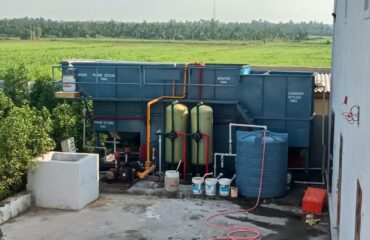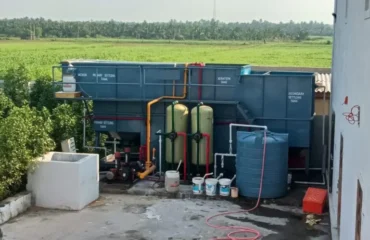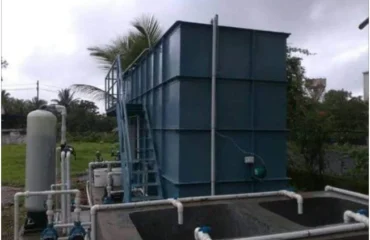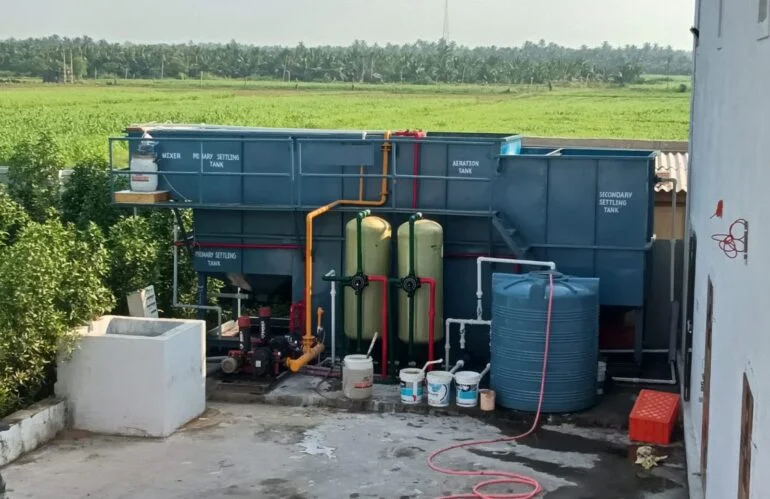
Mumbai, the bustling financial capital of India, faces unique challenges in managing its burgeoning population and industrial growth. One of the most critical aspects of sustainable urban development is effective wastewater management. Untreated sewage poses a significant threat to public health and the environment, making the role of efficient Water Treatment Plant manufacturers in Mumbai more crucial than ever.
This comprehensive guide will delve into the world of Sewage Treatment Plants (STPs), explore why they are indispensable for Mumbai, and help you understand how to choose the right stp plant manufacturer to meet your specific needs. From understanding the core processes to navigating the regulatory landscape, we’ll cover everything you need to know about securing sustainable water solutions in the heart of Maharashtra.
The Imperative for Advanced Sewage Treatment in Mumbai
Mumbai’s rapid urbanization has led to an exponential increase in wastewater generation. The city’s existing infrastructure often struggles to keep pace, leading to environmental degradation of its coasts and rivers. This growing concern highlights the urgent need for robust Sewage treatment plant solutions.
- Environmental Protection: Untreated sewage discharges pollute water bodies, harming aquatic life and ecosystems. STPs are vital in mitigating this impact.
- Public Health Safeguard: Contaminated water sources can lead to waterborne diseases. Effective treatment ensures a safer urban environment.
- Resource Recovery: Treated wastewater can be repurposed for non-potable uses like irrigation, industrial cooling, and toilet flushing, easing the pressure on freshwater sources.
- Regulatory Compliance: Strict environmental regulations, enforced by bodies like the Maharashtra Pollution Control Board (MPCB), mandate proper sewage treatment, making compliance a necessity for all entities.
Decoding the Sewage Treatment Plant (STP) Process
A Sewage treatment plant is a facility designed to remove contaminants from wastewater and household sewage, producing an effluent that is suitable for discharge to the natural environment or for reuse. The process typically involves several stages:
- Primary Treatment: This initial stage removes large suspended solids through screening and sedimentation.
- Secondary Treatment: Biological processes are employed here to break down organic matter using microorganisms. Common methods include activated sludge, trickling filters, and rotating biological contactors.
- Tertiary Treatment: An advanced stage that removes remaining pollutants, such as nitrogen, phosphorus, and pathogens, through processes like filtration, disinfection (chlorination, UV, ozone), and membrane technologies.
Understanding these stages is crucial when evaluating potential STP Plant manufacturers to ensure they offer comprehensive and effective solutions.
Different Technologies Offered by STP Plant Manufacturers in India
The technological landscape for STPs is diverse, with STP plant manufacturer in India offering various solutions tailored to different scales and contaminant profiles. Here are some prevalent technologies:
- Activated Sludge Process (ASP): A conventional and widely used biological treatment method known for its efficiency in treating organic pollutants.
- Sequencing Batch Reactor (SBR): An intermittent process that performs equalization, biological treatment, and clarification in a single tank, offering flexibility and automation.
- Moving Bed Biofilm Reactor (MBBR): Utilizes plastic carriers within the aeration tank to provide a large surface area for biofilm growth, enhancing biological treatment efficiency in a compact footprint.
- Membrane Bioreactor (MBR): Combines activated sludge treatment with membrane filtration, producing high-quality effluent suitable for direct reuse, often with minimal further treatment.
- Fixed-Film Bioreactors: Such as trickling filters, where wastewater flows over a medium supporting microbial growth, offering robust treatment with less energy input than suspended growth systems.
The choice of technology depends on factors like land availability, desired effluent quality, operational costs, and the specific characteristics of the sewage to be treated. Experienced STP Plant manufacturers will guide you through this selection process, ensuring the chosen system is optimally suited for your requirements.
How to Select the Best Water Treatment Plant Manufacturers in Mumbai
Choosing the right Water Treatment Plant manufacturers in Mumbai is a critical decision that impacts the longevity, efficiency, and compliance of your sewage treatment infrastructure. Here’s what to look for to make an informed choice:
- Experience and Track Record: Look for manufacturers with a proven history of successfully designing, installing, and commissioning STPs in Mumbai and across India. Ask for case studies, client testimonials, and site visits if possible.
- Technological Expertise: Ensure they are abreast of the latest technologies and can offer solutions that are energy-efficient, robust, and consistently deliver the required effluent quality. Innovation is key in this rapidly evolving field.
- Customization Capabilities: Every project is unique. The best STP Plant manufacturers can provide tailor-made solutions rather than one-size-fits-all approaches, optimizing the system for your specific inflow and outflow needs.
- Compliance and Certifications: Verify that their designs and manufactured plants adhere to local (MPCB) and national (CPCB) environmental standards. Certifications like ISO 9001 are a good indicator of quality management and commitment to international standards.
- After-Sales Service and Support: An STP requires regular maintenance and occasional troubleshooting. A reliable stp plant manufacturer will offer excellent post-installation support, including AMC (Annual Maintenance Contract) options, readily available spare parts, and responsive technical assistance.
- Cost-Effectiveness: While initial investment is important, also consider operational costs (energy consumption, chemical usage) and maintenance requirements to assess the total cost of ownership over the plant’s lifespan. A cheaper initial cost might lead to higher running expenses.
- Proximity and Accessibility: For quick support and maintenance, searching for “STP Plant manufacturers near me” can be beneficial. Local presence often translates to faster response times and easier logistical management, especially for urgent issues.
Identifying Top 10 STP Manufacturers in India – What Sets Them Apart?
While a definitive “Top 10” list can fluctuate based on various metrics, the characteristics that define leading Top 10 STP manufacturers in India typically include:
- Innovation: Continuous research and development into more efficient, sustainable, and technologically advanced treatment processes.
- Scalability: The ability to handle projects of varying sizes, from small residential units and commercial complexes to large-scale industrial and municipal treatment plants.
- Integrated Solutions: Offering a complete package from initial consultation, detailed engineering design, manufacturing, installation, commissioning, to ongoing operation and maintenance support.
- Sustainability Focus: Emphasizing resource recovery (like biogas and nutrient extraction), energy efficiency, and minimal chemical usage to reduce environmental footprint.
- Strong Client Portfolio: A wide array of satisfied clients across different sectors (residential, commercial, industrial, municipal) is a testament to their reliability and expertise.
When you’re evaluating STP Plant manufacturers in India, considering these comprehensive factors will help you narrow down your choices and select a partner that truly understands your specific project requirements and long-term goals.
The Myriad Benefits of Modern Sewage Treatment Plants
Investing in a state-of-the-art Sewage treatment plant offers far-reaching benefits that extend beyond mere compliance:
- Environmental Conservation: Reduces the pollution load on rivers, lakes, and coastal waters, thereby protecting biodiversity, aquatic life, and natural ecosystems. This is crucial for Mumbai’s coastline and creeks.
- Water Conservation: Enables the reuse of treated wastewater for non-potable applications, significantly reducing dependence on fresh water sources and contributing to water security, especially in water-stressed regions like parts of Mumbai. This contributes to the overall national water conservation efforts.
- Economic Advantages: Can lead to substantial long-term cost savings by reducing reliance on municipal water supply (if treated water is reused) and by avoiding hefty penalties for non-compliance with environmental regulations.
- Enhanced Public Health: Minimizes the spread of waterborne diseases by effectively eliminating pathogens, bacteria, and viruses from wastewater, leading to a healthier community.
- Social Responsibility: Demonstrates an organization’s commitment to environmental stewardship and contributes positively to corporate social responsibility (CSR) initiatives, enhancing brand image and community relations.
Navigating Regulations: The Role of an Expert STP Plant Manufacturer
The regulatory environment for sewage treatment in India, particularly in Maharashtra, is stringent and constantly evolving. The Maharashtra Pollution Control Board (MPCB) and the Central Pollution Control Board (CPCB) lay down strict norms for effluent discharge quality, making compliance a non-negotiable aspect.
An expert stp plant manufacturer will not only design and build a plant but also ensure that it consistently meets or exceeds these regulatory requirements. This involves:
- Accurate Design Parameters: Sizing the plant correctly and selecting appropriate technologies based on the inflow characteristics, industrial standards, and desired effluent standards is crucial for sustained compliance.
- Quality Components and Construction: Using durable, corrosion-resistant, and efficient equipment and materials to ensure consistent performance and longevity of the plant, minimizing breakdowns and maintenance issues.
- Effective Monitoring and Reporting Systems: Implementing robust monitoring systems for effluent quality and assisting clients with necessary reporting to regulatory bodies, providing peace of mind and reducing administrative burden.
Choosing a manufacturer with a deep understanding of these regulations is paramount to avoid legal complications, environmental non-compliance fines, and reputational damage.
The Future of Water Treatment Plant Manufacturers in Mumbai
The future of water treatment in Mumbai is poised for significant advancements, driven by technological innovation and a heightened focus on sustainability. Water Treatment Plant manufacturers in Mumbai are increasingly focusing on several key trends:
- Smart STPs: Integrating Internet of Things (IoT) sensors and Artificial Intelligence (AI) for real-time monitoring, predictive maintenance, and optimized operational efficiency, leading to smarter, more autonomous plants.
- Decentralized Systems: Moving towards smaller, modular STPs that can serve specific communities, commercial buildings, or industrial zones, reducing the need for extensive and costly central piping networks.
- Enhanced Resource Recovery: Increased focus on extracting valuable resources like biogas (from sludge digestion for energy generation) and nutrients (nitrogen, phosphorus) from wastewater, moving towards a more circular economy model.
- Hybrid Technologies: Combining different treatment methods to achieve higher efficiency, overcome limitations of individual processes, and adapt to varying wastewater characteristics, ensuring robust treatment under diverse conditions.
- Energy Efficiency: Designing plants that consume less energy, potentially incorporating renewable energy sources, thereby reducing operational costs and carbon footprint.
These innovations highlight the evolving role of STP Plant manufacturers as key enablers of urban sustainability, contributing to Mumbai’s resilience against water scarcity and pollution.
Conclusion
In a rapidly developing metropolis like Mumbai, the importance of robust and efficient sewage treatment cannot be overstated. Choosing the right Water Treatment Plant manufacturers in Mumbai is fundamental to ensuring environmental protection, public health, and long-term sustainability for both residents and industries.
By carefully evaluating factors like experience, technological prowess, customization capabilities, adherence to compliance, and comprehensive after-sales support, you can partner with an expert stp plant manufacturer that delivers a reliable, cost-effective, and future-proof solution. Invest wisely in a quality Sewage treatment plant to contribute to a cleaner, healthier, and more sustainable Mumbai, paving the way for a greener future.
Frequently Asked Questions
- Q: What is a Sewage Treatment Plant (STP) and why is it important for Mumbai?
- A: A Sewage Treatment Plant (STP) is a facility designed to remove contaminants from domestic and industrial wastewater, producing treated effluent that can be safely discharged or reused. For Mumbai, STPs are crucial to combat water pollution, protect public health, conserve freshwater resources by enabling reuse, and comply with stringent environmental regulations set by bodies like the MPCB.
- Q: What factors should I consider when choosing Water Treatment Plant manufacturers in Mumbai?
- A: When selecting Water Treatment Plant manufacturers in Mumbai, consider their experience, technological expertise, customization capabilities, adherence to regulatory compliance (MPCB, CPCB), and the quality of their after-sales service and support. Also, evaluate the total cost of ownership, including operational expenses and maintenance.
- Q: What are the common types of STP technologies available in India?
- A: Common STP technologies offered by STP plant manufacturers in India include the Activated Sludge Process (ASP), Sequencing Batch Reactor (SBR), Moving Bed Biofilm Reactor (MBBR), and Membrane Bioreactor (MBR). Each technology has unique advantages and is selected based on factors like space availability, desired effluent quality, and wastewater characteristics.
- Q: How do STP plants contribute to water conservation in Mumbai?
- A: STP plants contribute significantly to water conservation by treating wastewater to a quality suitable for non-potable reuse. This treated water can be used for irrigation, industrial cooling, toilet flushing, and other purposes, thereby reducing the demand for fresh potable water and easing the strain on Mumbai’s limited freshwater resources.
- Q: What certifications or compliance should an STP plant manufacturer in India possess?
- A: An reputable STP plant manufacturer in India should adhere to environmental standards set by the Central Pollution Control Board (CPCB) and state-level bodies like the Maharashtra Pollution Control Board (MPCB). They should ideally have certifications like ISO 9001 for quality management and demonstrate a clear understanding of effluent discharge norms.