
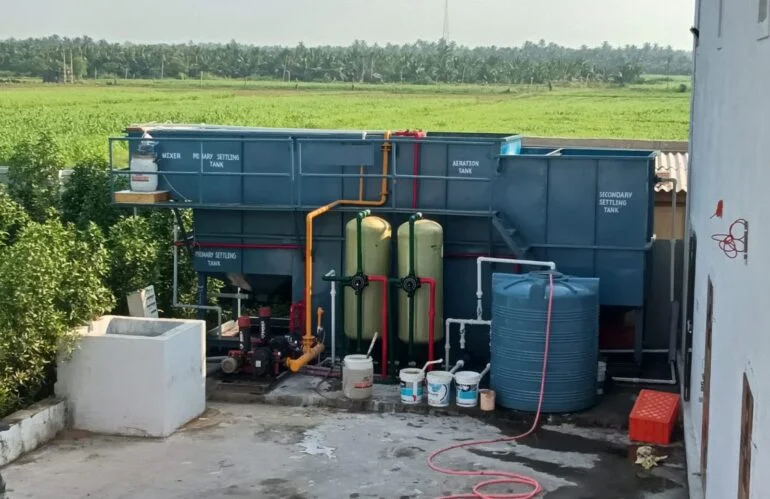
Industrial Wastewater Treatment Plant (WWTP) Solutions
In modern industrial operations, wastewater management is one of the most critical aspects of sustainable production. Industries ranging from textiles, chemicals, pharmaceuticals, food processing, and metal manufacturing produce significant quantities of wastewater that contain various pollutants, including organic matter, suspended solids, oils, heavy metals, and chemical residues. If released untreated into the environment, this wastewater can cause severe harm to ecosystems, contaminate water bodies, and pose health hazards to nearby communities. Effective management of industrial effluent is therefore not just a regulatory necessity but also a responsibility toward environmental sustainability.
Industrial Wastewater Treatment Plants (WWTPs) are specialized systems designed to treat and purify wastewater generated by industrial activities. These plants employ a combination of physical, chemical, and biological processes to remove contaminants, ensuring that the treated water meets regulatory standards and can be safely discharged or reused. Amrita Water Solutions provides advanced industrial WWTPs that are tailored to the specific needs of each industry, delivering efficient, reliable, and environmentally responsible wastewater management solutions.
Understanding Industrial Wastewater
Industrial wastewater is fundamentally different from domestic sewage. Its composition varies depending on the type of industry and the processes involved. Common pollutants found in industrial effluent include:
- Organic Matter: From food processing, pharmaceuticals, or chemical industries.
- Suspended Solids: Particulate matter that can clog water bodies or affect aquatic life.
- Heavy Metals: Such as chromium, cadmium, nickel, and lead from metal plating or mining industries.
- Chemicals and Solvents: From chemical, textile, or pharmaceutical production.
- Oils and Grease: From food processing, petrochemical, or metal industries.
The presence of these contaminants makes industrial wastewater complex and requires a carefully designed treatment system to ensure effective purification.
Key Components of an Industrial Wastewater Treatment Plant
An industrial WWTP typically consists of several integrated treatment stages, each targeting specific types of contaminants. The primary goal is to reduce pollution load, ensure regulatory compliance, and, where possible, enable water reuse.
- Pre-Treatment:
Pre-treatment is the first stage of any industrial WWTP. It removes large debris, grit, and coarse solids that may damage equipment in subsequent stages. This stage typically involves screening, sedimentation, and grit chambers. - Primary Treatment:
In the primary treatment stage, suspended solids and easily separable pollutants are removed. Techniques such as sedimentation tanks, chemical coagulation, and flotation processes are commonly used. This step clarifies the wastewater and prepares it for further treatment. - Secondary Treatment:
Secondary treatment involves biological processes to break down biodegradable organic matter. Microorganisms metabolize pollutants in aerobic or anaerobic conditions, reducing biochemical oxygen demand (BOD) and chemical oxygen demand (COD) levels. Common systems include activated sludge processes, moving bed biofilm reactors (MBBR), and sequencing batch reactors (SBR). - Tertiary Treatment:
Tertiary treatment is employed when high-quality effluent is required, either for discharge or reuse. This stage targets nutrients, dissolved chemicals, residual suspended solids, and pathogens. Methods may include filtration, chemical precipitation, membrane processes, and advanced oxidation techniques. - Sludge Handling and Disposal:
Wastewater treatment generates sludge that contains concentrated pollutants. Proper handling, dewatering, and safe disposal or utilization of sludge are crucial for environmental protection. Some industries also explore options for converting sludge into energy or fertilizer.
Benefits of Industrial Wastewater Treatment Plants
Implementing an industrial WWTP offers multiple benefits for businesses:
- Regulatory Compliance: Ensures that effluent meets local, national, and international environmental standards. Avoids fines, penalties, and legal liabilities.
- Environmental Protection: Reduces pollution load, protects ecosystems, and prevents contamination of surface and groundwater.
- Water Reuse and Conservation: Treated wastewater can be reused for industrial processes, cooling, irrigation, or other non-potable applications, reducing freshwater consumption.
- Operational Efficiency: Modern WWTPs are energy-efficient, require minimal maintenance, and offer reliable long-term performance.
- Corporate Responsibility: Demonstrates a company’s commitment to sustainable operations and environmental stewardship.
Industries That Benefit from Industrial WWTPs
Industrial WWTPs are versatile and applicable across numerous sectors:
- Textile Industry: Treats dye-laden and chemically contaminated wastewater.
- Pharmaceutical Industry: Handles effluent containing active pharmaceutical ingredients, solvents, and chemicals.
- Chemical Industry: Manages acidic, alkaline, and hazardous wastewater.
- Food and Beverage Industry: Removes organic waste, oils, fats, and suspended solids.
- Metal Processing Industry: Treats effluent containing heavy metals, oils, and chemical residues.
- Paper and Pulp Industry: Reduces color, suspended solids, and high BOD/COD loads.
Customization and Advanced Technology
Every industry has unique wastewater characteristics, which is why a one-size-fits-all approach is ineffective. At Amrita Water Solutions, we design customized WWTPs based on a detailed analysis of the wastewater composition, flow rate, and treatment objectives. Our plants are designed to optimize efficiency, reduce operational costs, and meet specific regulatory requirements.
We also incorporate advanced treatment technologies to enhance performance:
- Chemical Treatment: Coagulation, flocculation, neutralization, and chemical precipitation.
- Biological Treatment: Aerobic and anaerobic processes for efficient degradation of organic pollutants.
- Membrane Technologies: Ultrafiltration (UF), nanofiltration (NF), and reverse osmosis (RO) for high-quality effluent.
- Automation and Monitoring: Real-time monitoring systems and automated control units ensure optimal operation and reduce human error.
Sustainability and Corporate Responsibility
Sustainability is central to modern industrial operations. A well-designed WWTP helps industries reduce their environmental footprint by minimizing pollution, conserving water, and promoting the reuse of treated effluent. By implementing efficient wastewater treatment, companies contribute to the conservation of natural resources, protect aquatic ecosystems, and demonstrate corporate social responsibility.
Why Choose Amrita Water Solutions
- Expertise: Over 15 years of experience in industrial wastewater management.
- Customized Solutions: Tailor-made WWTPs to suit specific industrial needs.
- Regulatory Compliance: Designs that meet all local and international environmental standards.
- Reliability: High-performance systems with minimal downtime.
- Support Services: Comprehensive after-sales support, maintenance, and operational guidance.
Conclusion
Industrial wastewater treatment is not just a legal obligation—it is a necessity for sustainable operations, environmental protection, and resource conservation. Industrial WWTPs play a crucial role in treating and purifying wastewater, reducing pollution, enabling water reuse, and safeguarding public health.
At Amrita Water Solutions, we offer advanced, efficient, and fully customized Industrial Wastewater Treatment Plants that cater to the unique needs of each industry. By partnering with us, industries can ensure regulatory compliance, optimize resource utilization, reduce operational costs, and demonstrate their commitment to a cleaner, greener future.
Our team of experts combines technical excellence, innovative solutions, and years of industry experience to deliver reliable wastewater treatment systems that perform consistently and sustainably. Choosing Amrita Water Solutions means investing in a solution that not only meets today’s environmental standards but also prepares your operations for the sustainable challenges of tomorrow.